Oats for Constipation: Relief, Benefits & How to Use Them
Quick Summary
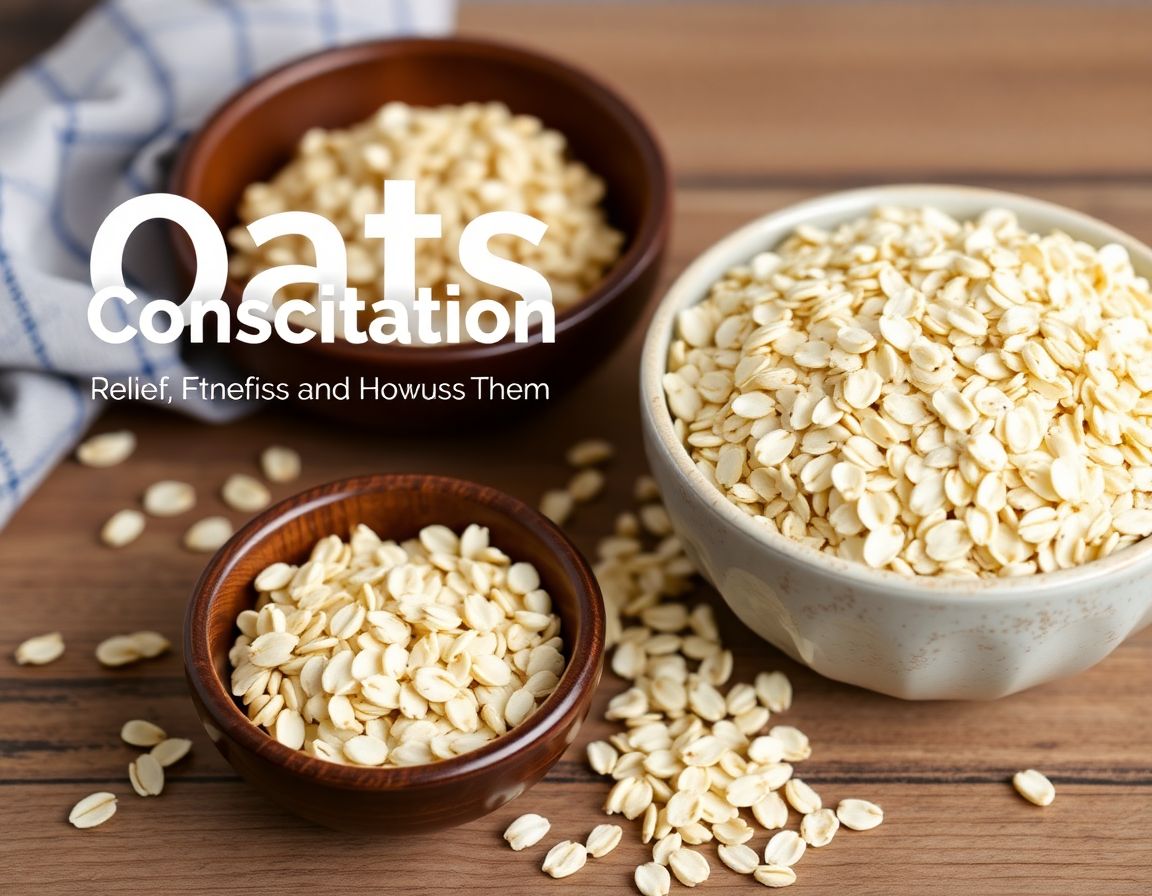
Oats for constipation: Find relief with this natural remedy! Learn how oats can ease constipation, the benefits, and how to use them effectively for regularity.
Oats for Constipation: A Natural Remedy?
Constipation can be a real disruption. If you're seeking a gentle, dietary approach, you're likely wondering: can oats for constipation actually help? For many, the answer is a resounding yes. Oats, particularly when strategically incorporated into a balanced diet, can be a valuable tool for easing constipation and promoting regularity.
This guide will delve into the science behind how oats alleviate constipation, highlight optimal preparation methods for maximum benefit, and discuss crucial lifestyle factors that complement a fiber-rich diet.
How Oats Combat Constipation: The Fiber Factor
Oats boast an impressive nutritional profile, with their high fiber content taking center stage in constipation relief. Here's a breakdown of how oats work their magic:
- Dual Fiber Power: Oats contain both soluble and insoluble fiber, each playing a distinct role.
- Soluble Fiber: This type dissolves in water, forming a gel-like substance within your digestive tract. This gel softens the stool, facilitating smoother passage.
- Insoluble Fiber: Remaining undissolved, insoluble fiber adds bulk to the stool. This increased bulk stimulates intestinal contractions, encouraging regular bowel movements.
- Bulking Agent: The insoluble fiber acts as a natural bulking agent, ensuring the stool is of sufficient size to trigger effective peristalsis (the wave-like muscle contractions that move waste through the intestines).
- Gut Microbiome Support: Fiber serves as a prebiotic, nourishing beneficial gut bacteria. A thriving gut microbiome is paramount for efficient digestion and overall well-being.
Optimizing Oat Preparation for Constipation Relief
The way you prepare oats significantly impacts their effectiveness in relieving constipation. Here are some top-tier methods:
- Overnight Oats: The Digestion Booster: Soaking oats overnight unlocks a wealth of benefits. It pre-digests the oats, making them gentler on the system and enhancing nutrient bioavailability. Soaking also reduces phytic acid, a compound that can hinder mineral absorption.
- Bircher Muesli: The Swiss Secret: This traditional Swiss recipe involves soaking oats in milk or yogurt, combined with grated apple and other fruits and nuts. The synergistic effect of fiber from oats and fruit, coupled with the probiotics in yogurt, makes Bircher muesli a digestive powerhouse.
- Cooked Oatmeal: A Classic Choice: While not as easily digestible as soaked oats, cooked oatmeal remains a reliable fiber source. Opt for rolled oats or steel-cut oats over instant varieties, as they undergo less processing and retain more fiber.
Practical Ways to Integrate Oats into Your Diet
Here are actionable ideas to boost your oat intake and combat constipation:
- Basic Overnight Oats Recipe: Combine 1/2 cup Bob's Red Mill Gluten Free Rolled Oats with 1 cup of your preferred milk (dairy or non-dairy), 1 tablespoon of chia seeds for added fiber, and a touch of honey or maple syrup for sweetness. Refrigerate overnight, and customize with fruits, nuts, and seeds in the morning.
- Bircher Muesli Method: Soak 1/2 cup of rolled oats in 1/2 cup of milk or yogurt overnight. In the morning, grate 1/2 an apple into the mixture, add a handful of your favorite berries, and sprinkle with chopped nuts for added texture and nutrients.
- Simple Warm Oatmeal: Cook 1/2 cup of rolled oats with 1 cup of water or milk according to package directions. Top with a medley of fruits, nuts, seeds, and a drizzle of maple syrup for a comforting and fiber-rich breakfast.
Key Considerations for Oat Consumption
While oats offer significant benefits for constipation, keep these crucial points in mind:
- Gradual Introduction: If you're not accustomed to a high-fiber diet, increase your oat intake gradually to minimize the risk of gas and bloating.
- Hydration is Key: Fiber thrives on water. Ensure you're drinking ample water throughout the day to facilitate smooth passage through your digestive system.
- Individual Response: Pay close attention to how your body reacts to oats. While generally well-tolerated, some individuals may experience digestive discomfort.
- Gluten-Free Certification: Although oats themselves don't contain gluten, they are often processed in facilities that handle wheat. If you have celiac disease or gluten sensitivity, prioritize certified gluten-free oats like
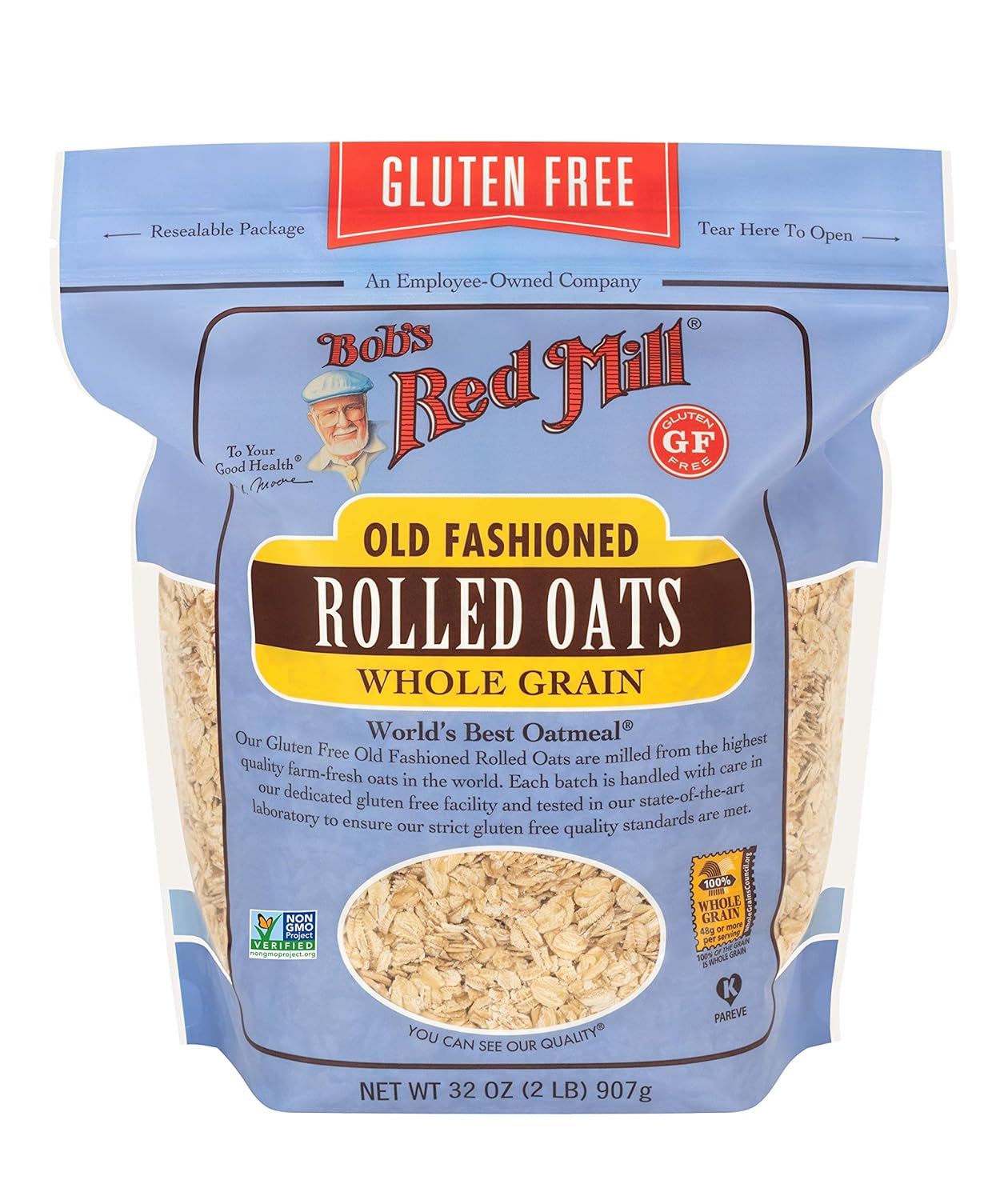 to avoid cross-contamination.
Affiliate Pick
Bob's Red Mill Gluten Free Rolled Oats
Certified gluten-free thick rolled oats, perfect for maintaining texture in overnight muesli.
View on Amazon
Holistic Lifestyle Strategies for Constipation Relief
Oats are a valuable component of a comprehensive approach. Complement your oat consumption with these lifestyle adjustments:
- Regular Physical Activity: Exercise stimulates the digestive system and promotes regular bowel movements. Aim for at least 30 minutes of moderate-intensity exercise most days of the week.
- Stress Reduction Techniques: Stress can wreak havoc on digestion. Incorporate relaxation techniques such as yoga, meditation, or deep breathing exercises into your daily routine.
- Probiotic-Rich Foods: Introduce probiotic-rich foods like yogurt, kefir, and sauerkraut to cultivate a healthy gut microbiome.
- Heed the Call: When you feel the urge to have a bowel movement, don't delay. Suppressing the urge can exacerbate constipation.
When to Seek Professional Medical Guidance
While oats can be a helpful natural remedy for constipation, it's essential to seek medical advice if you experience any of the following:
- Severe or persistent constipation that doesn't improve with dietary changes
- Blood in your stool
- Unexplained weight loss
- Severe abdominal pain or cramping
- Significant changes in bowel habits that persist for more than a few weeks
The Oat Advantage
For many, strategically including oats in your diet, especially as overnight oats or Bircher muesli, can be a gentle and effective way to relieve constipation due to their high fiber content. Remember to increase your intake gradually, stay well-hydrated, and address other lifestyle factors. If constipation persists despite these efforts, consult a healthcare professional.
Key Takeaways
The Gut-Fiber Connection: A Symbiotic Relationship
Our bodies lack the enzymes to digest fiber, but that's precisely why it's so beneficial for our gut microbiome. When beneficial bacteria ferment fiber, they produce short-chain fatty acids (SCFAs) like butyrate, acetate, and propionate. These SCFAs nourish the cells lining the colon, reduce inflammation, and contribute to overall gut health.
If you're experiencing other digestive issues alongside constipation, it's worth exploring potential connections. For instance, if you also suffer from acid reflux, you might find relevant insights in Oats and Acid Reflux: Are Oats Good for Heartburn?. Similarly, individuals with IBS symptoms may benefit from the specific oat consumption strategies outlined in Oats for IBS Symptoms: Relief, Benefits & How To Eat Them.
Read Next
 Science
Oats for IBS Symptoms: Relief, Benefits & How To Eat Them
Oats for IBS symptoms: Can they help? Learn the benefits of oats, how soluble fiber can aid digestion, & preparation tips (like overnight oats) for IBS relief.
Science
Oats for IBS Symptoms: Relief, Benefits & How To Eat Them
Oats for IBS symptoms: Can they help? Learn the benefits of oats, how soluble fiber can aid digestion, & preparation tips (like overnight oats) for IBS relief.
 Guide
Oats and Acid Reflux: Are Oats Good for Heartburn?
Suffering from heartburn? Discover if oats and acid reflux are compatible. Learn how oats can be a safe and helpful part of your diet to manage symptoms.
Guide
Oats and Acid Reflux: Are Oats Good for Heartburn?
Suffering from heartburn? Discover if oats and acid reflux are compatible. Learn how oats can be a safe and helpful part of your diet to manage symptoms.
 Science
Oats and Leaky Gut Syndrome: What You Need to Know
Explore the connection between oats and leaky gut syndrome. Learn if oats are safe, how to prepare them, and the benefits of gluten-free oats for gut health.
Science
Oats and Leaky Gut Syndrome: What You Need to Know
Explore the connection between oats and leaky gut syndrome. Learn if oats are safe, how to prepare them, and the benefits of gluten-free oats for gut health.