Oats for IBS Symptoms: Relief, Benefits & How To Eat Them
Quick Summary
Oats for IBS symptoms: Can they help? Learn the benefits of oats, how soluble fiber can aid digestion, & preparation tips (like overnight oats) for IBS relief.
Quick Answer
For many, oats can help manage IBS symptoms thanks to their soluble fiber (beta-glucan), which can regulate bowel movements. However, individual tolerance varies significantly. Preparation methods like soaking (as in overnight oats or Bircher muesli) are key to improving digestibility. Start with small portions (around 1/4 cup dry oats) and meticulously track your symptoms.
Affiliate Pick
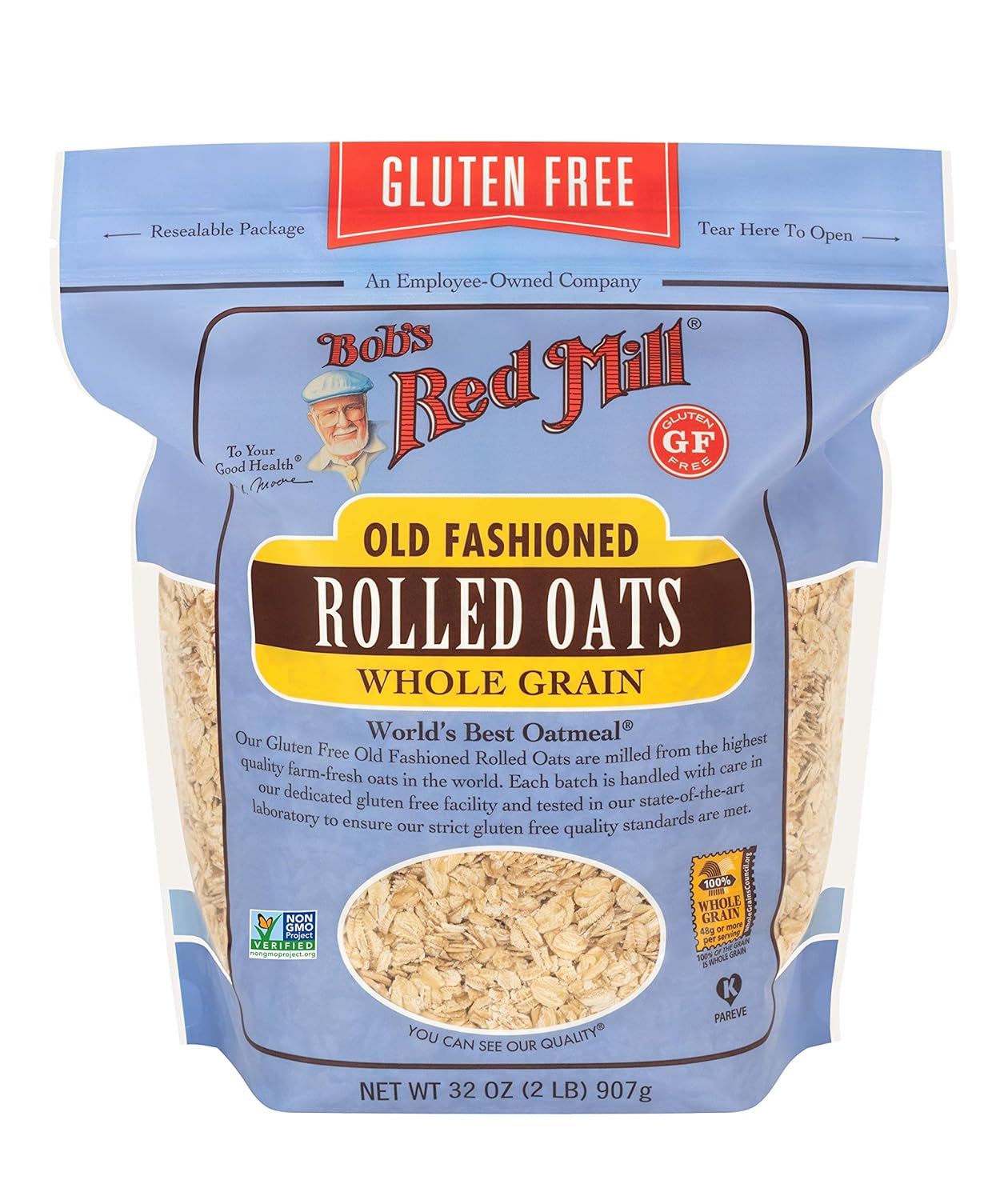
Bob's Red Mill Gluten Free Rolled Oats
Certified gluten-free thick rolled oats, perfect for maintaining texture in overnight muesli.
View on AmazonKey Takeaways
Irritable Bowel Syndrome (IBS) is a common functional gastrointestinal disorder characterized by symptoms like abdominal pain, bloating, gas, diarrhea, and constipation. Dietary modifications are a cornerstone of IBS management. This guide examines the role of oats for IBS symptoms, with a focus on preparation methods like muesli and Bircher muesli to maximize benefits and minimize potential drawbacks.
Understanding IBS and the Role of Diet
IBS is a functional disorder, meaning it causes digestive distress without visible damage to the gut. This makes dietary management a process of careful experimentation and personalization. Common dietary strategies include:
- Low-FODMAP Diet: Reducing fermentable oligosaccharides, disaccharides, monosaccharides, and polyols.
- Gluten-Free Diet: Eliminating gluten, which can be beneficial even without diagnosed celiac disease due to non-celiac gluten sensitivity.
- Targeted Fiber Intake: Focusing on the type of fiber consumed, as different types have different effects.
Potential Benefits of Oats for IBS
Oats can offer several advantages for individuals with IBS, but it's crucial to understand why and how they might help:
Soluble Fiber (Beta-Glucan)
Oats are a good source of soluble fiber, primarily beta-glucan. This type of fiber absorbs water in the digestive tract, forming a gel-like substance. This can slow down digestion, which is particularly helpful for diarrhea-predominant IBS (IBS-D) by promoting more formed stools.
Prebiotic Potential
Beta-glucan acts as a prebiotic, meaning it feeds beneficial bacteria in the gut. A healthy and diverse gut microbiome is increasingly recognized as crucial for overall health and may help alleviate some IBS symptoms. Consider exploring other prebiotic-rich foods and strategies, such as those discussed in our article on Resistant Starch: Boost Gut Health & Microbiome Naturally.
Gluten-Free Advantage
While oats themselves don't contain gluten, they are often processed in facilities that also handle gluten-containing grains. This can lead to cross-contamination. Choosing certified gluten-free oats like Bob's Red Mill Gluten Free Rolled Oats minimizes this risk, which is important even if you don't have celiac disease, as gluten sensitivity can trigger IBS symptoms in some individuals.
Enhanced Digestibility Through Soaking
Oats, especially when soaked overnight, are generally easier to digest than many other grains. Soaking helps break down phytic acid, a compound that can inhibit nutrient absorption and cause digestive discomfort.
Potential Drawbacks and Considerations
Despite their potential benefits, oats aren't a guaranteed win for everyone with IBS:
Insoluble Fiber Content
Oats contain both soluble and insoluble fiber. While soluble fiber is generally beneficial, insoluble fiber can sometimes exacerbate symptoms, particularly in individuals with constipation-predominant IBS (IBS-C). This is why gradual introduction and careful monitoring are essential.
Individual Oat Sensitivity
Although relatively uncommon, some individuals may have a specific sensitivity to oats. This is distinct from gluten sensitivity and requires careful observation to identify.
FODMAP Considerations
Oats are generally considered low-FODMAP in moderate portions (up to ½ cup cooked). However, larger quantities can push them into the moderate-FODMAP range, potentially triggering symptoms in sensitive individuals.
Preparation Matters
The way oats are prepared significantly impacts their digestibility and potential to trigger symptoms. Raw oats are generally harder to digest than cooked or soaked oats.
Muesli and Bircher Muesli: Tailoring for Gut Health
Muesli and Bircher muesli, both oat-based, offer opportunities to create gut-friendly meals for IBS, but careful ingredient selection is key.
Choosing the Right Oats
Rolled oats (also known as old-fashioned oats) are the most common choice for muesli and Bircher muesli. Steel-cut oats take longer to cook and may be harder to digest for some. Instant oats are often highly processed and may contain added sugars or other ingredients that can irritate the gut. Prioritize high-quality, certified gluten-free rolled oats like Bob's Red Mill Gluten Free Rolled Oats.
The Power of Soaking
Soaking oats overnight, as is traditional in Bircher muesli, is a game-changer for digestibility. Soaking helps break down phytic acid and softens the oats, making them easier on the digestive system.
Additions: The Make-or-Break Factor
The other ingredients you add to your muesli or Bircher muesli are crucial. Avoid high-FODMAP fruits like apples, pears, and mangoes. Instead, opt for low-FODMAP fruits like blueberries, strawberries, and raspberries, and use them in moderation.
Dairy and Alternatives
If you're lactose intolerant, use lactose-free milk or plant-based alternatives like almond, rice, or coconut milk. Be vigilant about added sugars in plant-based milks, as these can contribute to IBS symptoms. Unsweetened varieties are always preferable.
Nuts and Seeds: Proceed with Caution
Nuts and seeds provide healthy fats and fiber, but they can also be high in fat, which can trigger IBS symptoms in some people. Start with small amounts of well-tolerated options like pumpkin seeds, sunflower seeds, and walnuts.
Science Note
Phytic Acid: Phytic acid is a naturally occurring compound found in many plant foods, including grains and nuts. It can bind to minerals like iron, zinc, and calcium, potentially reducing their absorption. Soaking, sprouting, or fermenting foods can help break down phytic acid and improve mineral bioavailability.
Practical Tips for Incorporating Oats into Your IBS Diet
If you're considering using oats for managing IBS symptoms, keep these tips in mind:
- Start Extremely Slowly: Begin with a very small portion (1/4 cup dry oats) and gradually increase as tolerated.
- Choose Wisely: Opt for certified gluten-free rolled oats like Bob's Red Mill Gluten Free Rolled Oats to minimize potential contamination.
- Prioritize Proper Preparation: Cook oats thoroughly or, even better, soak them overnight.
- Stick to Moderate Portions: Adhere to the recommended low-FODMAP serving size (around ½ cup cooked) until you know your tolerance.
- Be Mindful of Additions: Carefully select low-FODMAP additions and avoid common IBS triggers.
- Hydrate Adequately: Drink plenty of water to support fiber digestion and prevent constipation.
- Keep a Detailed Food Diary: Track your symptoms and the foods you eat to identify potential triggers and patterns.
- Seek Professional Guidance: Consult a registered dietitian or healthcare provider for personalized advice and a tailored IBS management plan.
Simple IBS-Friendly Bircher Muesli Recipe
Ingredients:
- ½ cup Bob's Red Mill Gluten Free Rolled Oats
- 1 cup lactose-free milk or unsweetened almond milk
- ¼ cup unsweetened applesauce (use only if tolerated; some find applesauce triggers symptoms)
- 1 tablespoon chia seeds
- ¼ cup blueberries or raspberries
- 1 tablespoon pumpkin seeds
- Optional: A dash of cinnamon
Instructions:
- Combine all ingredients in a jar or airtight container.
- Stir well to ensure even distribution.
- Cover and refrigerate overnight (or for at least 4 hours).
- Stir again in the morning, adding more liquid if needed to reach your desired consistency.
- Enjoy cold!
Conclusion: Oats and IBS - A Personalized Approach
The effectiveness of oats for IBS symptoms is highly individual and depends on factors like tolerance, preparation, and portion size. When consumed in moderation and prepared thoughtfully in dishes like muesli and Bircher muesli, oats can be a valuable addition to an IBS-friendly diet due to their soluble fiber and prebiotic potential. Remember to start slowly, carefully monitor your symptoms, and work with a healthcare professional to create a personalized plan that meets your specific needs.
Read Next