What is muesli? A better raw oat breakfast.
Learn how muesli works, what belongs in a balanced bowl, and why raw soaked oats are different from granola, cereal, and cooked oatmeal.
What is muesli?
Muesli is an uncooked oat, seed, nut, and fruit breakfast built for slow energy.
Unlike granola, classic muesli is not baked in oil or coated in syrup. It usually starts with rolled oats, then adds nuts, seeds, dried or fresh fruit, and a liquid such as milk, yogurt, kefir, or plant milk. You can eat it soaked overnight, Swiss Bircher-style, or mix it quickly before breakfast.
The practical advantage is control: you choose the fiber level, sweetness, carbohydrate load, and protein-rich add-ins. That makes muesli useful for low-glycemic bowls, low-carb variations, and weight-loss meal plans when portions are realistic.
Start with the active guides
How to eat muesli
Eat it cold, soaked, or briefly softened with your preferred liquid.
For a quick bowl: combine muesli with milk or plant milk and eat it straight away.
For overnight muesli: cover the dry mix with liquid, refrigerate it overnight, then add fruit or yogurt in the morning.
For Bircher muesli: start with soaked oats, apple, lemon, and nuts using the original Bircher recipe.
Choose the method for texture and taste, then adjust portions and toppings to fit your own breakfast routine.
Education
Pillar Guides
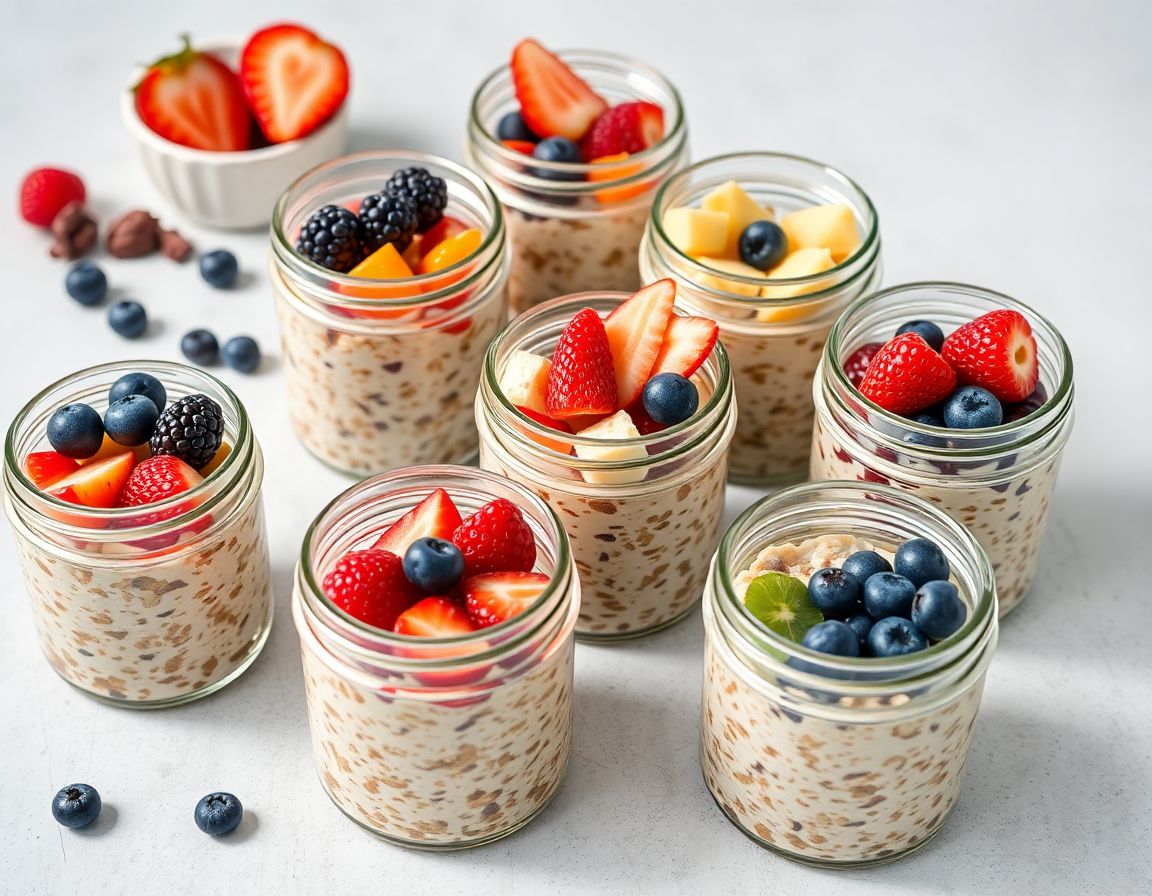
7-Day Muesli Reset for Weight Loss and Gut Health Plan
Try a 7-day muesli reset for weight loss, better digestion, and steady breakfast energy using soaked oats, fruit, seeds, and protein-rich milk each day.
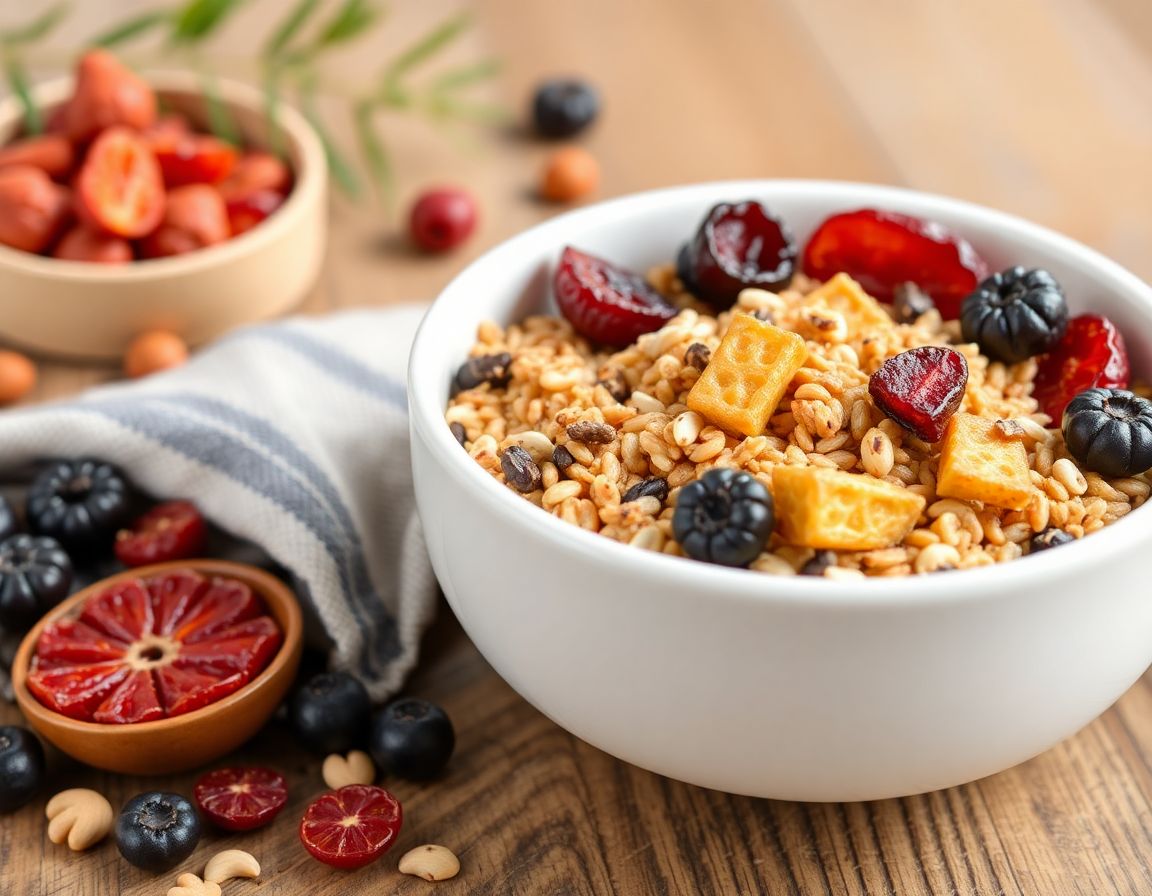
Best Dried Fruit Muesli: Top Brands & Recipes
Looking for the best dried fruit muesli? Discover top brands, perfect ingredient combinations, and delicious recipes to elevate your breakfast!
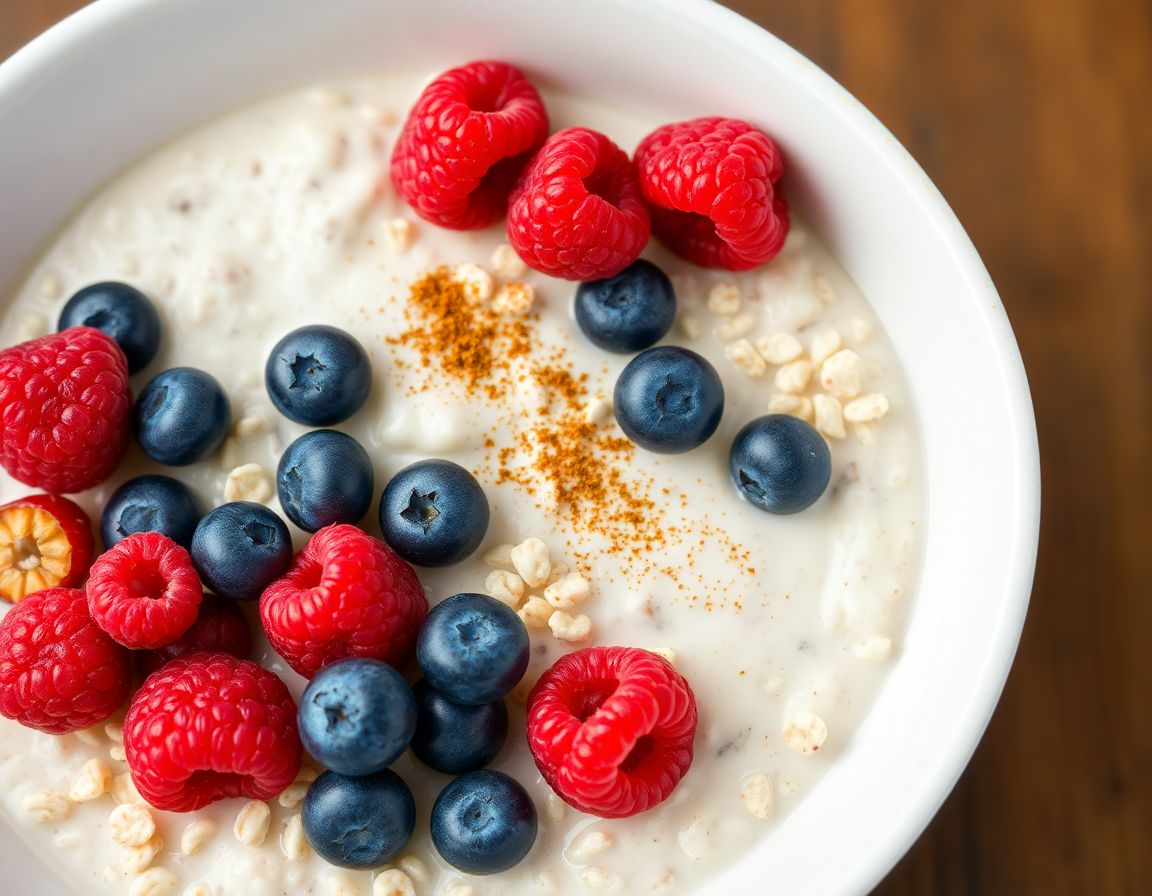
Best Low Glycemic Sweeteners for Muesli Breakfast Bowls
Compare the best low glycemic sweeteners for muesli, from apple and berries to monk fruit, stevia, cinnamon, sugar alcohols, and smarter breakfast portions.
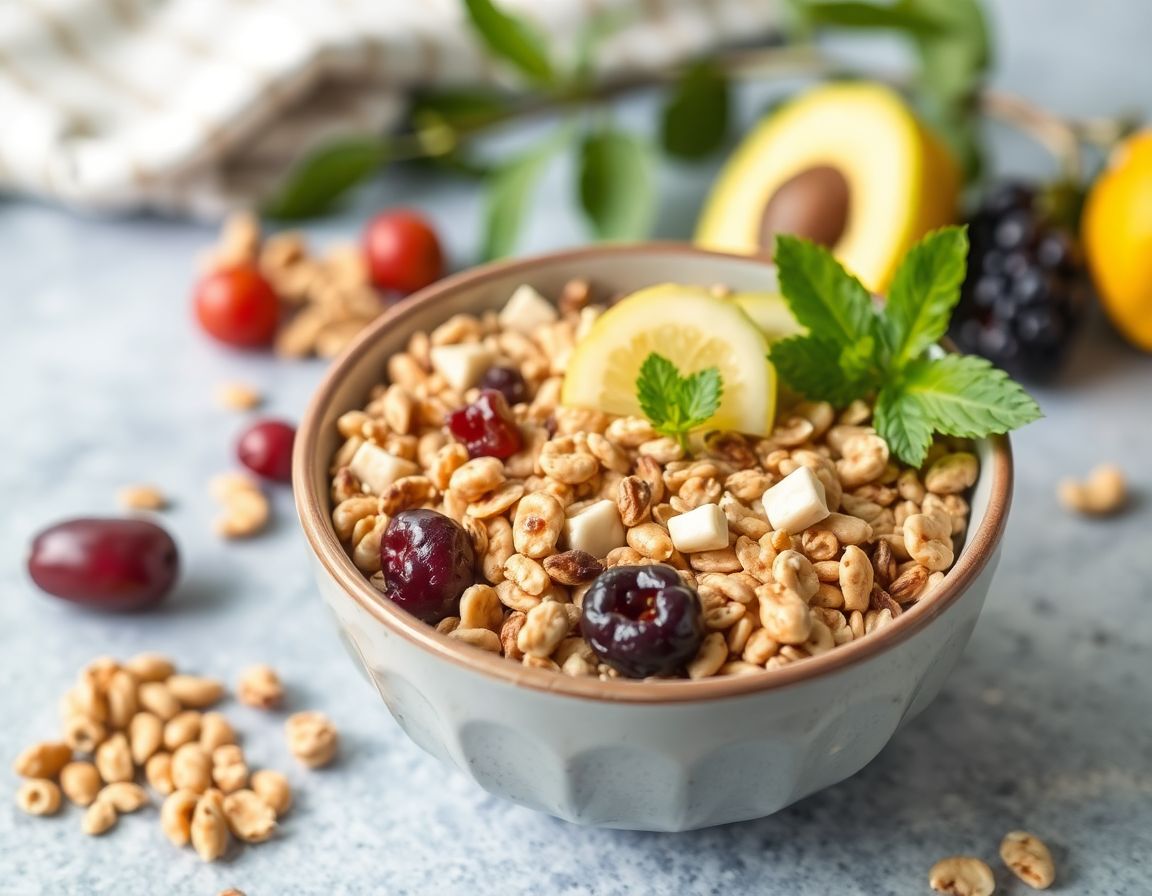
Best Muesli for Diabetics: Healthy & Low Sugar Options
Looking for the best muesli for diabetics? Our guide reveals healthy & low sugar options that won't spike your blood sugar.
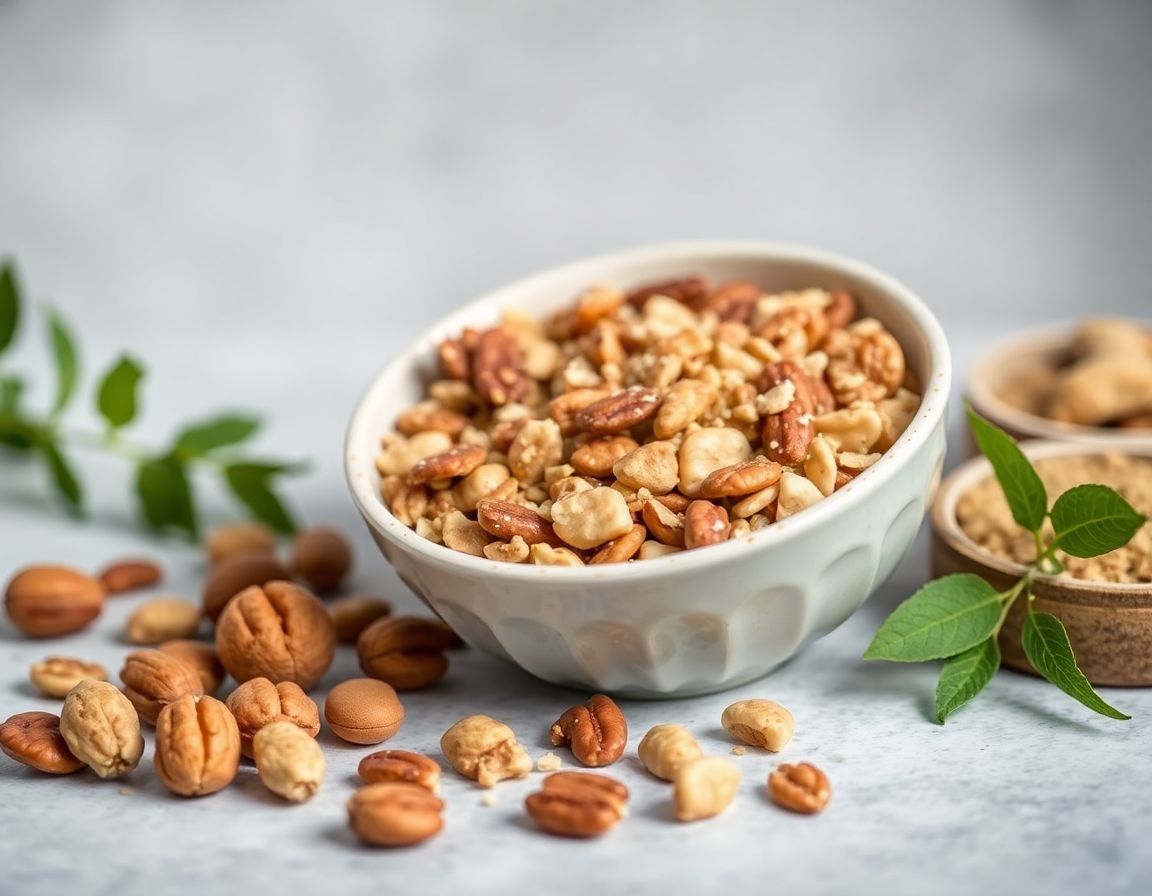
Best Nuts for Muesli: Healthy, Crunchy & Delicious Choices
Looking for the best nuts for muesli? Elevate your breakfast with our guide to the most nutritious & delicious options! Add healthy fats, protein & crunch.
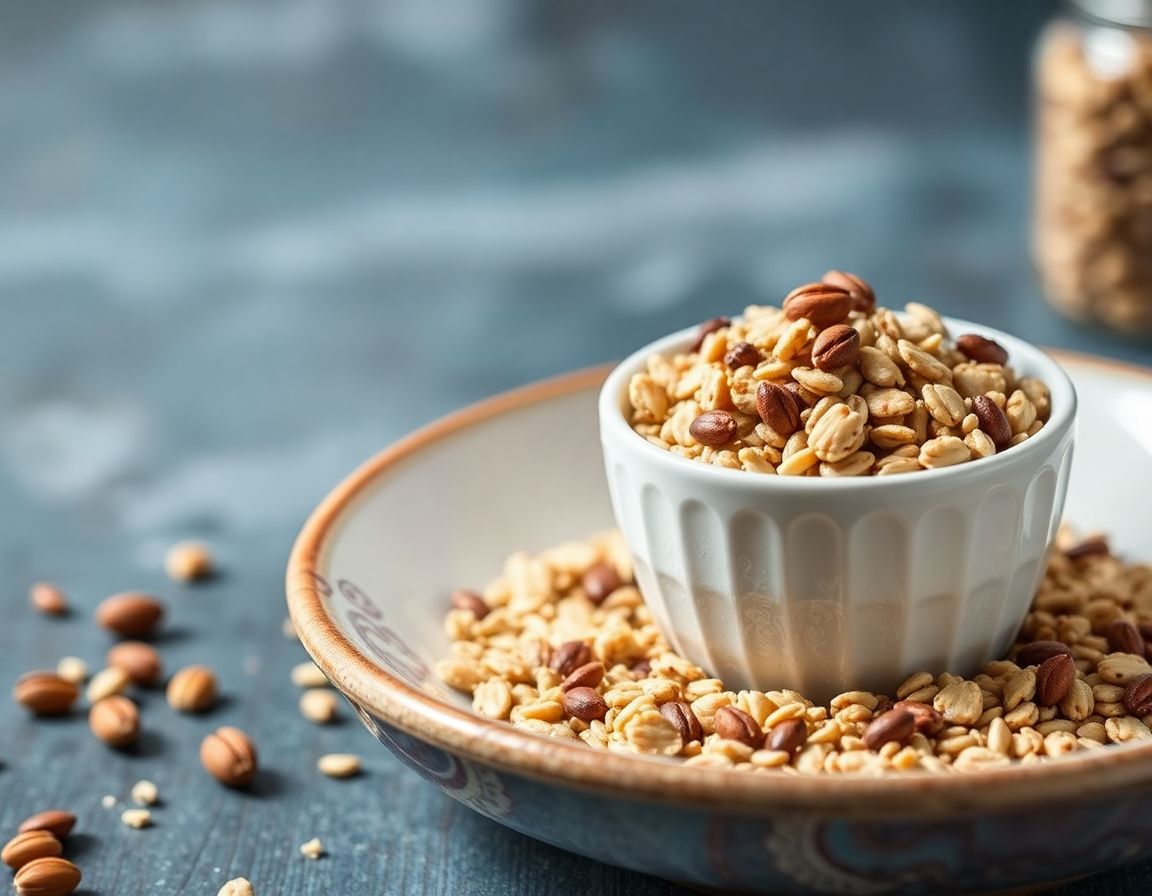
Best Seeds for Muesli: Healthy, Crunchy & Delicious Options
Looking for the best seeds for muesli? Discover healthy, crunchy, and delicious options to boost your breakfast!