Oats and Acid Reflux: Are Oats Good for Heartburn?
Quick Summary
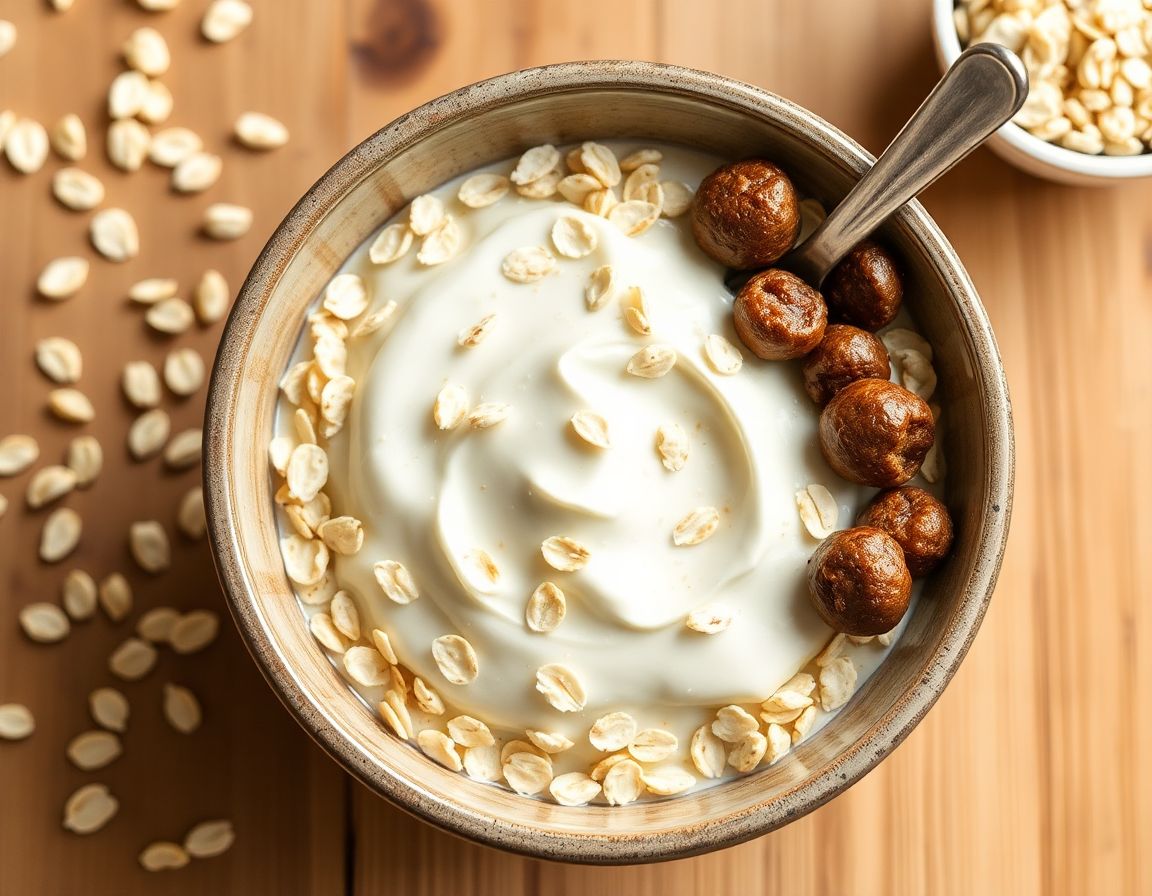
Suffering from heartburn? Discover if oats and acid reflux are compatible. Learn how oats can be a safe and helpful part of your diet to manage symptoms.
Are Oats Safe for Acid Reflux?
If you're one of the millions who experience acid reflux, you know how important it is to choose your foods carefully. That burning sensation and discomfort can be triggered by many common foods, making meal planning a challenge. So, are oats and acid reflux compatible? Can oats be a safe and even helpful part of your diet?
The answer is generally yes. Oats are often a good choice for managing acid reflux. This article explains why, details how to prepare them to minimize any potential issues, and offers other dietary considerations.
The short answer
Oats are typically a safe and beneficial food for those with acid reflux. Their low acidity, high fiber content, and soothing texture can help manage symptoms. However, individual responses vary, and preparation is key.
Key Takeaways
Understanding Acid Reflux and the Role of Diet
Acid reflux, also known as gastroesophageal reflux disease (GERD), occurs when stomach acid frequently flows back into the esophagus. This backflow irritates the esophageal lining, leading to heartburn, regurgitation, and other uncomfortable symptoms. Diet is a major factor in managing acid reflux. Certain foods can trigger or worsen symptoms, while others can help soothe and protect the esophagus. Common triggers include fatty foods, spicy foods, caffeine, alcohol, and acidic foods.
Why Oats Are Generally a Good Choice for Acid Reflux
Oats have several properties that make them a potentially beneficial food for people with acid reflux:
- Low Acidity: Oats are naturally low in acidity, reducing the risk of irritating the esophagus compared to acidic foods like citrus fruits or tomatoes.
- High Soluble Fiber: The soluble fiber in oats absorbs excess stomach acid and promotes healthy digestion. This can help prevent constipation, which can sometimes worsen acid reflux.
- Soothing Texture: Cooked oats have a soft, soothing texture that can coat and protect the esophageal lining, providing temporary relief from irritation.
- Complex Carbohydrates: Oats are a source of complex carbohydrates, which digest more slowly than simple carbohydrates. This helps prevent rapid blood sugar spikes that can indirectly contribute to acid reflux in some individuals.
Preparing Oats to Minimize Acid Reflux Triggers
While oats themselves are generally well-tolerated, how you prepare them significantly impacts their effect on acid reflux. Follow these tips to minimize potential triggers:
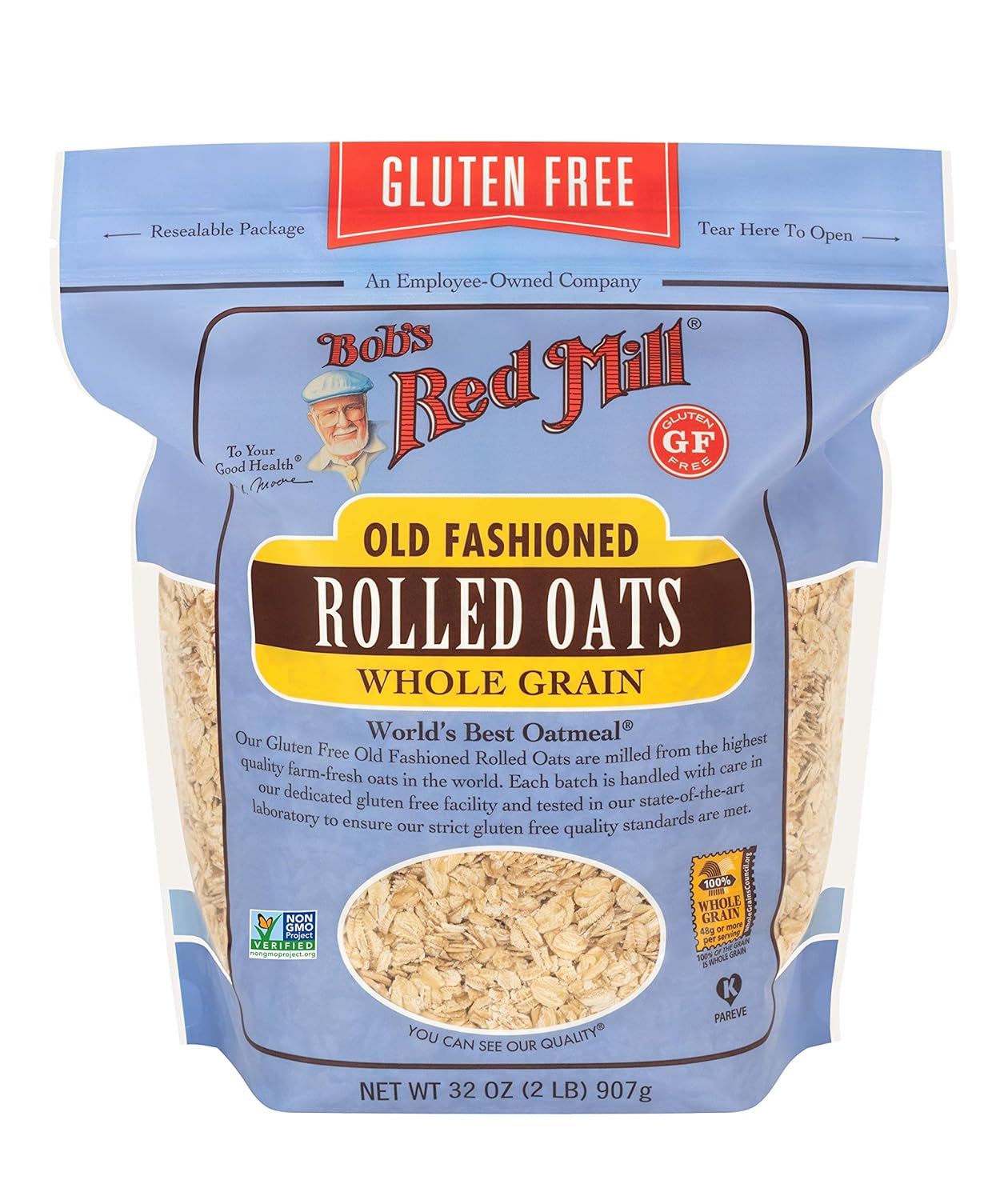
- Opt for Plain, Unflavored Oats: Flavored instant oatmeals often contain added sugars, artificial sweeteners, and other additives that can trigger acid reflux. Stick to plain rolled oats or steel-cut oats. Bob's Red Mill Gluten Free Rolled Oats are a reliable option if you need to avoid gluten.
- Cook with Water or Low-Fat Milk: Avoid high-fat milk or cream, as fat slows digestion and increases reflux risk. Water or low-fat milk are better choices.
- Limit Added Sugar and Sweeteners: Added sugar can worsen acid reflux. Minimize sugar, honey, or syrup. Instead, use small amounts of fruit like berries or a sprinkle of cinnamon for flavor.
- Avoid Acidic Toppings: Be mindful of toppings. Avoid acidic fruits like oranges or grapefruits and acidic sauces or jams.
- Practice Portion Control: Even healthy foods can trigger acid reflux if overeaten. Start with a small serving and monitor your body's response.
Overnight Oats and Bircher Muesli: Gentle and Easy to Digest
Overnight oats and Bircher muesli are excellent ways to prepare oats that are even gentler on the digestive system. Soaking oats overnight softens them, making them easier to digest and potentially reducing acid reflux symptoms.
- Overnight Oats: Combine rolled oats with water or low-fat milk and desired toppings (chia seeds, berries, nuts) in a jar or container. Refrigerate overnight and enjoy cold.
- Bircher Muesli: Similar to overnight oats, Bircher muesli typically includes grated apple, nuts, and sometimes yogurt. The grated apple adds sweetness and fiber, while the nuts provide healthy fats. Be mindful of yogurt's acidity and adjust ingredients to avoid personal triggers.
Other Important Considerations for Managing Acid Reflux
While oats can be a helpful addition to your diet, consider these factors for comprehensive acid reflux management:
- Gluten Sensitivity: Oats don't naturally contain gluten, but cross-contamination can occur during processing. If you have celiac disease or gluten sensitivity, choose certified gluten-free oats like
 .
.Affiliate Pick
Bob's Red Mill Gluten Free Rolled Oats
Certified gluten-free thick rolled oats, perfect for maintaining texture in overnight muesli.
View on Amazon - Individual Tolerance: Everyone responds differently to foods. Pay attention to how your body reacts to oats and adjust your intake accordingly.
- Holistic Dietary Approach: Oats are just one component of managing acid reflux. Follow a balanced diet, avoid trigger foods, and maintain a healthy lifestyle.
- Professional Guidance: If you experience persistent or severe acid reflux symptoms, consult a doctor or registered dietitian. They can help identify the underlying cause and develop a personalized treatment plan.
- Meal Timing: Eating large meals close to bedtime can increase acid reflux risk. Eat your last meal at least 2-3 hours before bed.
The Science Behind It
The soluble fiber in oats forms a gel-like substance in the digestive tract, slowing digestion and potentially preventing stomach acid from splashing back into the esophagus. This effect, combined with oats' low acidity, makes them a favorable choice for many with acid reflux.
Beyond Acid Reflux: Additional Health Benefits of Oats
In addition to potentially helping with acid reflux, oats offer numerous other health benefits:
- Heart Health: Oats are rich in soluble fiber, which can help lower cholesterol levels and reduce the risk of heart disease.
- Blood Sugar Control: The fiber in oats helps regulate blood sugar levels, making them a good choice for people with diabetes.
- Weight Management: Oats are a filling food that can help you feel satisfied and prevent overeating.
- Gut Health: Oats are a good source of prebiotics, which feed beneficial gut bacteria. If you're interested in gut health, you may want to explore Oats for IBS Symptoms: Relief, Benefits & How To Eat Them.
Read Next
 Science
Oats for IBS Symptoms: Relief, Benefits & How To Eat Them
Oats for IBS symptoms: Can they help? Learn the benefits of oats, how soluble fiber can aid digestion, & preparation tips (like overnight oats) for IBS relief.
Science
Oats for IBS Symptoms: Relief, Benefits & How To Eat Them
Oats for IBS symptoms: Can they help? Learn the benefits of oats, how soluble fiber can aid digestion, & preparation tips (like overnight oats) for IBS relief.
 Science
Oats and Leaky Gut Syndrome: What You Need to Know
Explore the connection between oats and leaky gut syndrome. Learn if oats are safe, how to prepare them, and the benefits of gluten-free oats for gut health.
Science
Oats and Leaky Gut Syndrome: What You Need to Know
Explore the connection between oats and leaky gut syndrome. Learn if oats are safe, how to prepare them, and the benefits of gluten-free oats for gut health.
 Science
Oats Bloating: Causes, Relief, & How to Prevent It
Experiencing oats bloating? Discover the reasons why oats can cause bloating, from fiber to gluten, and learn how to prevent it with simple tips. #oatsbloating
Science
Oats Bloating: Causes, Relief, & How to Prevent It
Experiencing oats bloating? Discover the reasons why oats can cause bloating, from fiber to gluten, and learn how to prevent it with simple tips. #oatsbloating