Oats and Leaky Gut Syndrome: What You Need to Know
Quick Summary
Explore the connection between oats and leaky gut syndrome. Learn if oats are safe, how to prepare them, and the benefits of gluten-free oats for gut health.
Oats and Leaky Gut: What You Need to Know
Quick Answer
Oats can be a beneficial addition to a leaky gut-friendly diet for some, but careful selection and preparation are critical. Prioritize certified gluten-free oats and consider soaking them before cooking to improve digestibility and minimize potential irritation.
Affiliate Pick
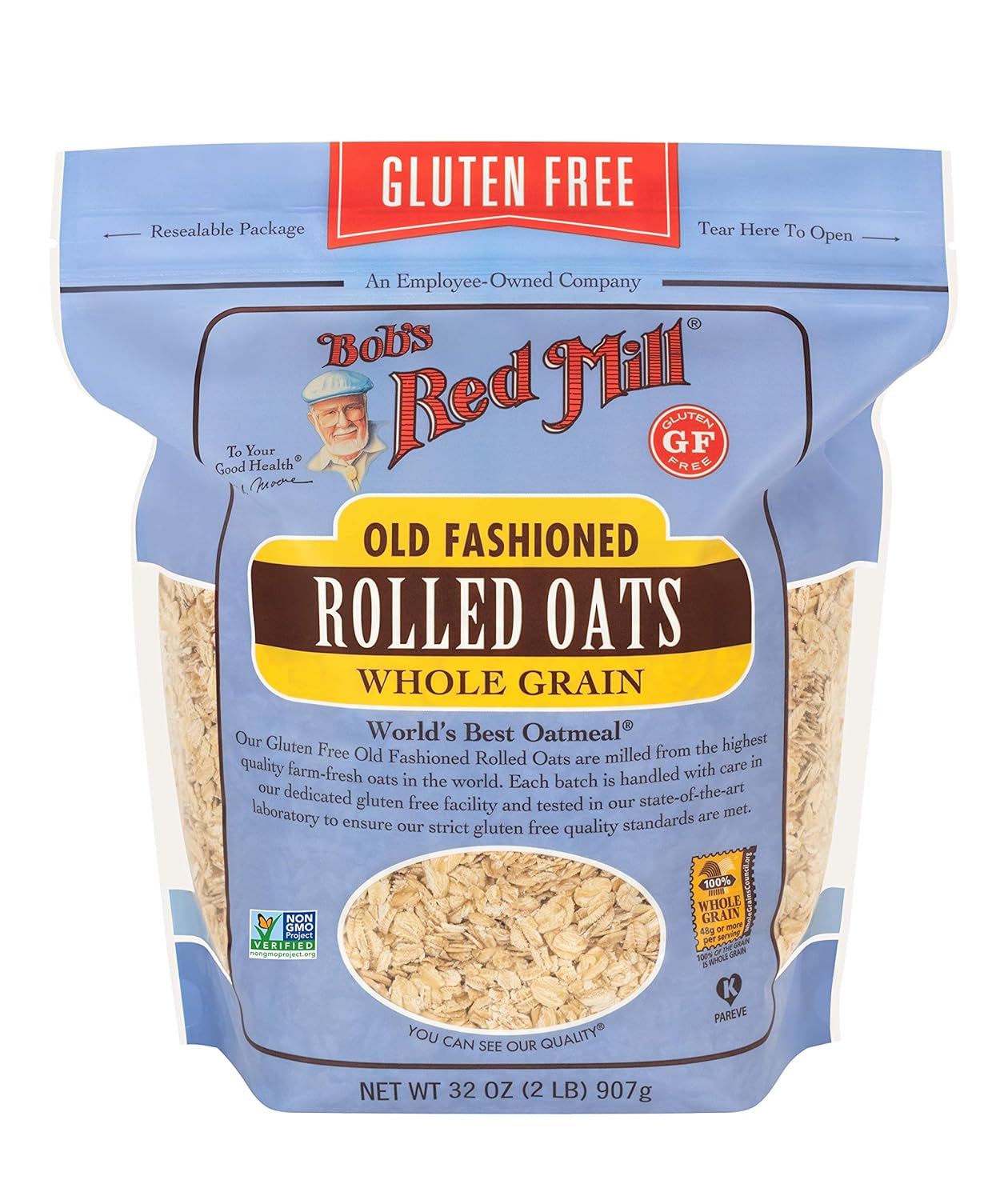
Bob's Red Mill Gluten Free Rolled Oats
Certified gluten-free thick rolled oats, perfect for maintaining texture in overnight muesli.
View on AmazonKey Takeaways
Leaky gut, clinically known as increased intestinal permeability, involves the loosening of tight junctions in the intestinal lining. This allows substances like bacteria, toxins, and undigested food particles to enter the bloodstream, potentially triggering an immune response and contributing to inflammation. The impact of oats on this condition is nuanced.
Oats and Leaky Gut: Benefits and Considerations
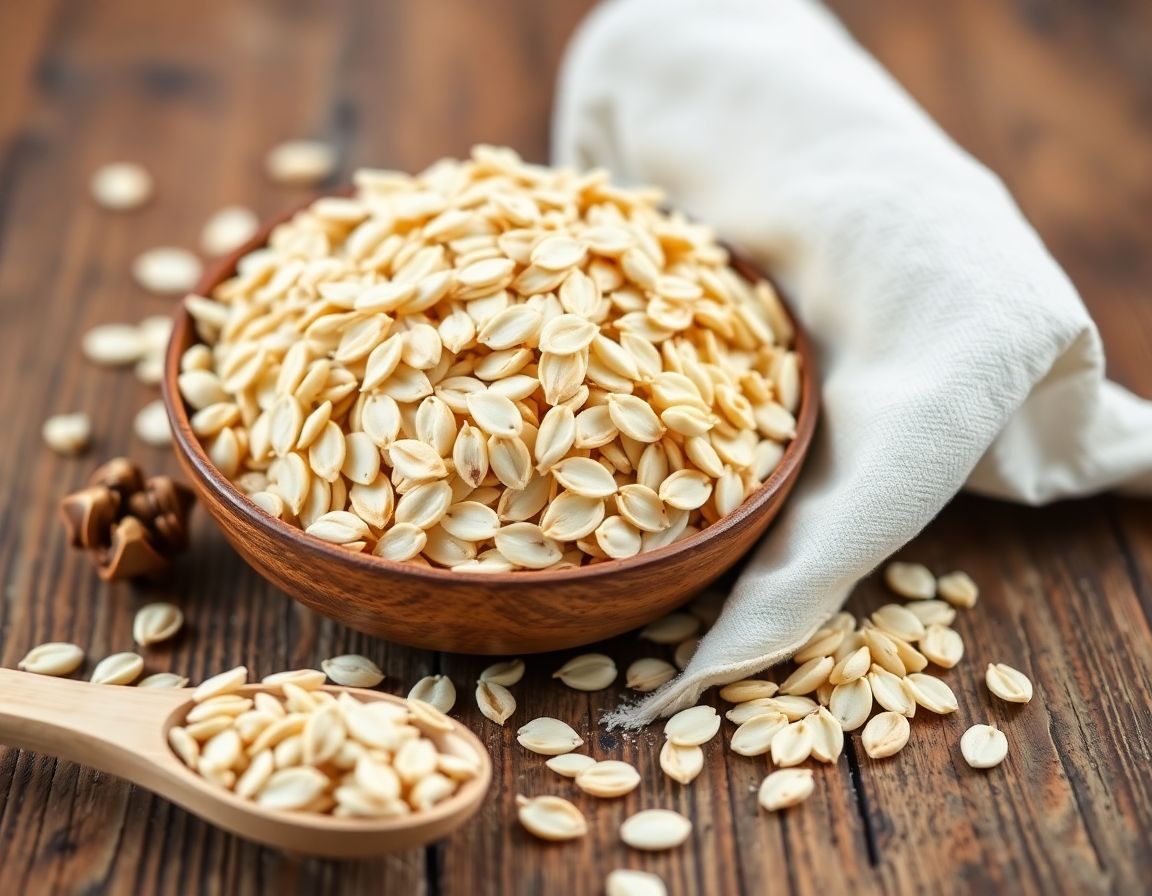
Oats are composed of complex carbohydrates and are a source of soluble fiber, particularly beta-glucan. While fiber generally supports gut health by feeding beneficial bacteria, the impact of oats on leaky gut can vary.
Potential Benefits:
- Soluble Fiber for Microbiome Support: The soluble fiber in oats acts as a prebiotic, nourishing beneficial gut bacteria and promoting a balanced gut microbiome. This can lead to the production of short-chain fatty acids (SCFAs) like butyrate, which are crucial for gut health and gut lining integrity.
- Beta-Glucan's Potential Anti-Inflammatory Effects: Beta-glucan has demonstrated potential anti-inflammatory properties, which may contribute to maintaining the integrity of the gut lining. More research is needed in this area.
Potential Concerns:
- Gluten Cross-Contamination: Oats do not naturally contain gluten, but cross-contamination during processing is common. This is a significant concern for individuals with gluten sensitivities, celiac disease, or non-celiac gluten sensitivity (NCGS).
- Avenin Sensitivity: Avenin, a protein found in oats, shares structural similarities with gluten. Some individuals sensitive to gluten may also react to avenin, although this is less common.
- Phytic Acid Content: Oats contain phytic acid, which can bind to minerals and reduce their absorption. While not directly harmful to the gut, it can impact nutrient availability. Soaking helps mitigate this.
Choosing the Right Oats: A Checklist
Checklist
Preparing Oats for Optimal Digestion
Proper preparation can significantly improve the digestibility of oats and reduce the likelihood of gut irritation.
- Soaking: Soak oats in water for at least 4 hours, or preferably overnight, before cooking. This helps break down phytic acid and makes the oats easier to digest. Discard the soaking water.
- Cooking: Cook the oats thoroughly until they are soft and easily digestible. Overcooking is preferable to undercooking in this case.
- Portion Size: Start with a small serving (1/4 cup dry oats) and gradually increase as tolerated.
Monitoring Your Body's Response: A Step-by-Step Guide
The most reliable way to determine if oats are suitable for your individual needs is to carefully monitor your body's response.
- Introduce Gradually: Begin with a small serving (e.g., 1/4 cup dry oats cooked).
- Track Symptoms: Keep a food journal and note any symptoms that arise after consuming oats, such as bloating, gas, abdominal pain, changes in bowel habits, skin reactions, or fatigue.
- Elimination Diet (If Necessary): If you suspect oats are contributing to your leaky gut symptoms, eliminate them completely from your diet for 2-3 weeks.
- Reintroduction Challenge: After the elimination period, reintroduce oats in a small serving and carefully monitor for any recurring symptoms. If symptoms return, it may indicate a sensitivity to oats.
Science Note
Dietary modifications are often helpful in managing leaky gut, but it's essential to consult with a healthcare professional or registered dietitian for personalized advice and a comprehensive treatment plan. Leaky gut can be influenced by factors beyond diet, such as stress, infections, and medication use. Consider exploring other gut-supporting strategies, such as incorporating resistant starch into your diet.
Read Next