Oats Bloating: Causes, Relief, & How to Prevent It
Quick Summary
Experiencing oats bloating? Discover the reasons why oats can cause bloating, from fiber to gluten, and learn how to prevent it with simple tips. #oatsbloating
Oats and Bloating: The Short Answer
Oats can cause bloating due to their high fiber content, phytic acid, potential gluten cross-contamination, or individual sensitivities. Preventative measures include gradual introduction, proper preparation (like soaking), and choosing the right type of oats.
Key Takeaways
Why Do Oats Cause Bloating and How to Prevent It?
Oats are a nutritious grain, rich in fiber, vitamins, and minerals, making them a popular choice for muesli, overnight oats, and other healthy breakfasts. However, some people experience bloating after eating oats. This guide explores the common reasons for this and provides practical strategies to prevent it.
The Potential Culprits Behind Oats Bloating
Several factors can contribute to bloating after consuming oats.
- High Fiber Content: Oats are high in soluble fiber, especially beta-glucan. While fiber is generally beneficial, a rapid increase can lead to gas and bloating as gut bacteria ferment the undigested fiber.
- Gluten Sensitivity (Even with Gluten-Free Oats): While naturally gluten-free, oats are often processed in facilities that handle wheat, barley, and rye, leading to cross-contamination. Even certified gluten-free oats may cause issues for highly sensitive individuals.
- Phytic Acid: Oats contain phytic acid, an antinutrient that can bind to minerals and potentially irritate the gut lining, contributing to inflammation and bloating.
- Oat Sensitivity or Intolerance: Some individuals may have a specific sensitivity or intolerance to compounds in oats, leading to digestive symptoms like bloating, gas, and abdominal pain.
- Sudden Increase in Consumption: A drastic increase in oat intake can overwhelm your digestive system's ability to process the fiber effectively, leading to temporary bloating.
- Underlying Digestive Issues: Individuals with pre-existing conditions like Irritable Bowel Syndrome (IBS) or Small Intestinal Bacterial Overgrowth (SIBO) may be more susceptible to bloating from oats.
Strategies to Prevent Oats Bloating
Here are effective strategies to minimize or eliminate bloating caused by oats:
- Gradual Introduction: Start with small portions of oats (e.g., 1/4 cup dry oats) and gradually increase the amount over time. This allows your digestive system to adapt to the increased fiber intake.
- Choose Certified Gluten-Free Oats (If Necessary): If you suspect gluten sensitivity, opt for certified gluten-free oats. Bob's Red Mill Gluten Free Rolled Oats are a widely available and reliable option.
- Soak Your Oats: Soaking oats before cooking significantly reduces the phytic acid content, making minerals more bioavailable and potentially reducing gut irritation. See this related article for detailed instructions on how to properly soak your oats.
- Cook Oats Thoroughly: Properly cooking oats helps break down the complex carbohydrates and fibers, making them easier to digest.
- Consider Steel-Cut Oats: Some individuals find steel-cut oats easier to digest than rolled or instant oats due to their lower level of processing and slower release of sugars.
- Pair Oats with Other Foods: Combining oats with protein and healthy fats can slow down digestion and prevent rapid blood sugar spikes, potentially reducing bloating. Add nuts, seeds, or Greek yogurt to your muesli or overnight oats.
- Drink Plenty of Water: Fiber absorbs water, so staying hydrated is crucial when consuming oats to prevent constipation, which can worsen bloating.
- Keep a Food Journal: Track your oat consumption and any associated symptoms to identify patterns and potential triggers. Note the type of oats, portion size, and any other foods consumed at the same time.
- Rule Out Other Potential Causes: If bloating persists despite these strategies, consult a doctor or registered dietitian to rule out other food allergies, intolerances, or underlying digestive conditions.
Soaking Oats to Reduce Phytic Acid: A Step-by-Step Guide
Soaking oats reduces phytic acid, a compound that can bind to minerals and potentially irritate the gut.
- Combine Oats and Water: Place the desired amount of oats in a bowl or jar.
- Add Acidic Medium (Optional): Adding a tablespoon of apple cider vinegar, lemon juice, or whey can further enhance the breakdown of phytic acid. This step is optional but recommended.
- Cover with Water: Add enough filtered water to completely submerge the oats, ensuring they are fully covered.
- Soak for At Least 7 Hours: Cover the bowl or jar and let it soak at room temperature for a minimum of 7 hours, or preferably overnight (12-24 hours).
- Rinse Thoroughly: After soaking, drain the oats and rinse them thoroughly under running water until the water runs clear. This removes the released phytic acid.
- Cook as Usual: Cook the soaked and rinsed oats according to your preferred method.
The Science of Soaking
Soaking activates phytase, an enzyme that breaks down phytic acid, improving mineral bioavailability and potentially reducing digestive discomfort.
Choosing the Right Type of Oats: A Quick Comparison
The type of oats you choose can impact digestibility and cooking time:
| Oat Type | Processing Level | Texture | Cooking Time | Potential Digestibility |
|---|---|---|---|---|
| Steel-Cut Oats | Least Processed | Chewy | 20-30 minutes | May be easier for some |
| Rolled Oats | Moderate | Soft, Flaky | 5-10 minutes | Generally well-tolerated |
| Quick Oats | More Processed | Softer | 1-3 minutes | Easier for some |
| Instant Oats | Most Processed | Very Soft | <1 minute | May cause blood sugar spikes |
Less processed oats like steel-cut and rolled oats are generally considered healthier due to their higher fiber content and lower glycemic index. However, some individuals may find quick or instant oats easier to digest, especially if they have sensitive stomachs. Experiment to see what works best for you.
Affiliate Pick Certified gluten-free thick rolled oats, perfect for maintaining texture in overnight muesli.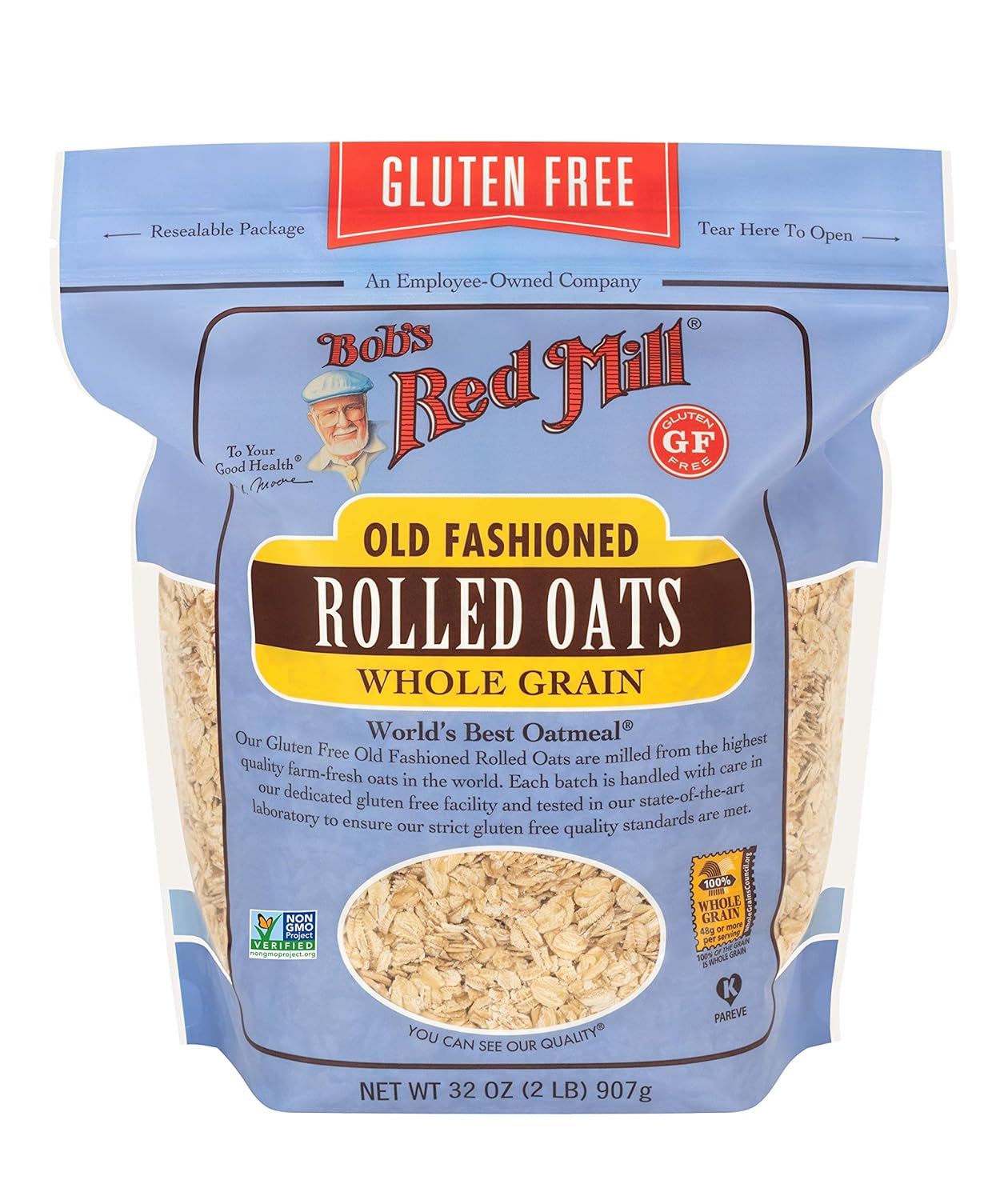
Bob's Red Mill Gluten Free Rolled Oats
When to Seek Professional Advice
If you continue to experience persistent bloating or other digestive symptoms after trying these strategies, it's important to seek advice from a doctor or registered dietitian. They can help identify underlying digestive conditions or food sensitivities and recommend a personalized treatment plan. Don't hesitate to seek professional guidance if your symptoms are impacting your quality of life.
Read Next