Best Low Glycemic Sweeteners for Muesli Breakfast Bowls
Published March 27, 2026 · By Muesli.org Editorial Team
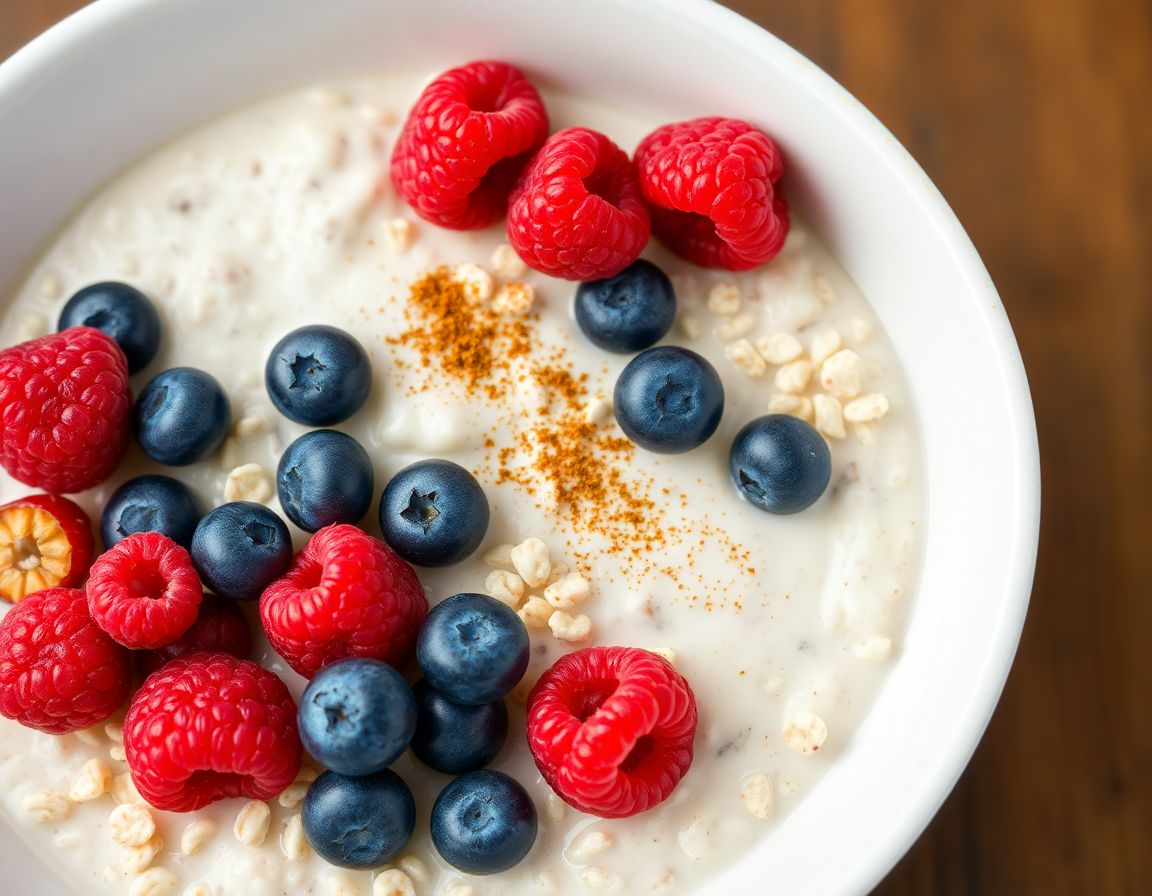
Quick Summary
Compare the best low glycemic sweeteners for muesli, from apple and berries to monk fruit, stevia, cinnamon, sugar alcohols, and smarter breakfast portions.
Quick Answer
The best low-glycemic sweeteners for muesli are grated green apple, berries, Ceylon cinnamon, monk fruit, and small amounts of stevia. Use dates, raisins, honey, and maple syrup only when the bowl has enough fiber, protein, and fat to slow digestion.

Affiliate Pick
Fresh Organic Apples
Grate it fresh in the morning.
View on AmazonA common trap in the modern breakfast landscape is turning a healthy bowl of oats into dessert. By the time you add maple syrup, sweetened dried cranberries, honey, and a flavored milk, your "healthy" muesli can deliver the same sugar rush as a breakfast pastry.
The goal of a proper Swiss muesli is steady energy. The best sweeteners add flavor without hiding the natural taste of soaked oats, nuts, seeds, and fruit.
What Makes a Sweetener Low Glycemic?
Glycemic impact is not just about the sweetener itself. It depends on the whole bowl: fiber, fat, protein, portion size, and how quickly the carbohydrates leave your stomach. A teaspoon of honey in a bowl with Organic Thick Rolled Oats, chia, yogurt, and walnuts behaves differently than honey stirred into a glass of sweetened oat milk.
For muesli, the best sweeteners follow three rules:
- They add sweetness with fiber, minerals, spice, or aroma.
- They keep the serving small enough that the oats remain the main carbohydrate.
- They pair with protein or fat, such as yogurt, nuts, seeds, or soy milk.
Best Everyday Options
1. Grated Green Apple
Dr. Maximilian Bircher-Benner's original muesli relied on grated apple instead of refined sugar. Apple brings sweetness, moisture, acidity, and pectin, which helps slow the release of sugar.
Use half a tart apple per serving, grated directly into soaked oats. Granny Smith works especially well because it tastes bright without making the bowl syrupy. For the traditional ratio, use the full original Bircher recipe.
2. Berries
Raspberries, blackberries, strawberries, and blueberries are the easiest low-glycemic fruit upgrades. They bring color, acidity, and antioxidants while keeping sugar lower than bananas, mangoes, or large portions of dried fruit.
Frozen berries are especially useful for overnight muesli. Stir them into the jar before refrigerating; by morning they release juice into the milk and sweeten the whole bowl naturally.
3. Ceylon Cinnamon
Cinnamon creates the perception of sweetness without adding sugar. Ceylon cinnamon is the better daily choice because it is lower in coumarin than common Cassia cinnamon.
Use cinnamon with apple, berries, thick oats, and a tiny pinch of salt. That combination tastes sweeter than the nutrition label suggests.
4. Monk Fruit or Stevia
Monk fruit and stevia can work when you want sweetness without meaningful sugar or calories. They are strongest in low-carb muesli, where the base is mostly nuts, seeds, coconut, and berries.
Use them sparingly. Too much creates a bitter or artificial finish, especially in cold soaked oats. Start with a few drops or a pinch, then add more only after the bowl has rested.
5. Dates and Raisins, Used Carefully
Dates and raisins are whole-food sweeteners, but they are concentrated. They fit better as accent ingredients than as the main sweetener.
For most bowls, use one chopped Medjool date or one tablespoon of raisins, then balance it with chia, nuts, yogurt, or unsweetened soy milk. If you are building a low-glycemic or diabetes-friendly bowl, berries and grated apple are usually safer default choices.
Sweeteners to Limit
Honey, maple syrup, agave, brown sugar, coconut sugar, and sweetened dried fruit can all make muesli taste good, but they move the bowl away from slow energy. "Natural" does not automatically mean low glycemic.
If you use syrup, treat it as a finishing ingredient, not the foundation. A half teaspoon on a high-fiber bowl is very different from a tablespoon poured over quick oats and sweetened milk.
Best Pairings by Goal
For a classic Bircher bowl, use grated apple, lemon, yogurt, and walnuts.
For a low-glycemic bowl, use berries, Ceylon cinnamon, chia seeds, and unsweetened milk.
For a low-carb bowl, use monk fruit or stevia with almonds, walnuts, coconut flakes, and berries. See Low Carb Muesli Options for the full build.
For weight loss, use sweetness to make the bowl satisfying, then measure calorie-dense add-ins. The muesli weight-loss guide explains the portion tradeoff.
Simple Low-Glycemic Muesli Formula
Use this as a reliable baseline:
- 1/2 cup rolled oats
- 1/2 cup unsweetened milk or yogurt
- 1/2 grated green apple or 1/2 cup berries
- 1 tablespoon chia or ground flax
- 1 tablespoon nuts or seeds
- Ceylon cinnamon and a pinch of salt
Stir with an Olive Wood Mixing Spoon, refrigerate overnight, and adjust sweetness in the morning only if the bowl still needs it.
The best low-glycemic sweetener is not always the sweetest ingredient. It is the ingredient that makes the whole bowl satisfying enough that you do not need a sugar-heavy breakfast in the first place.
Read Next
 Recipes
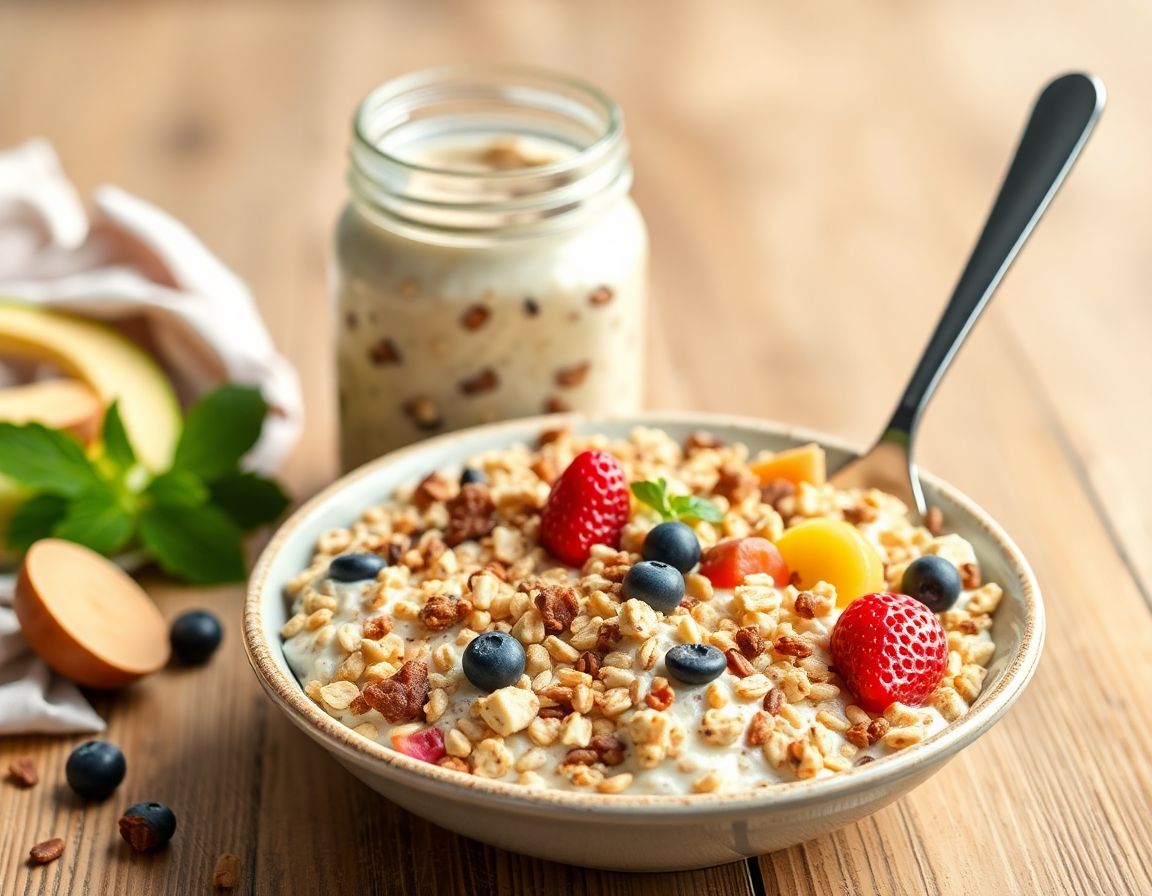
Low Carb Muesli: Easy Keto Muesli Recipe
Make an oat-free low carb muesli with nuts, seeds, coconut, and unsweetened milk. This keto muesli recipe is easy to mix and prep ahead.
Recipes
Low Carb Muesli: Easy Keto Muesli Recipe
Make an oat-free low carb muesli with nuts, seeds, coconut, and unsweetened milk. This keto muesli recipe is easy to mix and prep ahead.
 Science
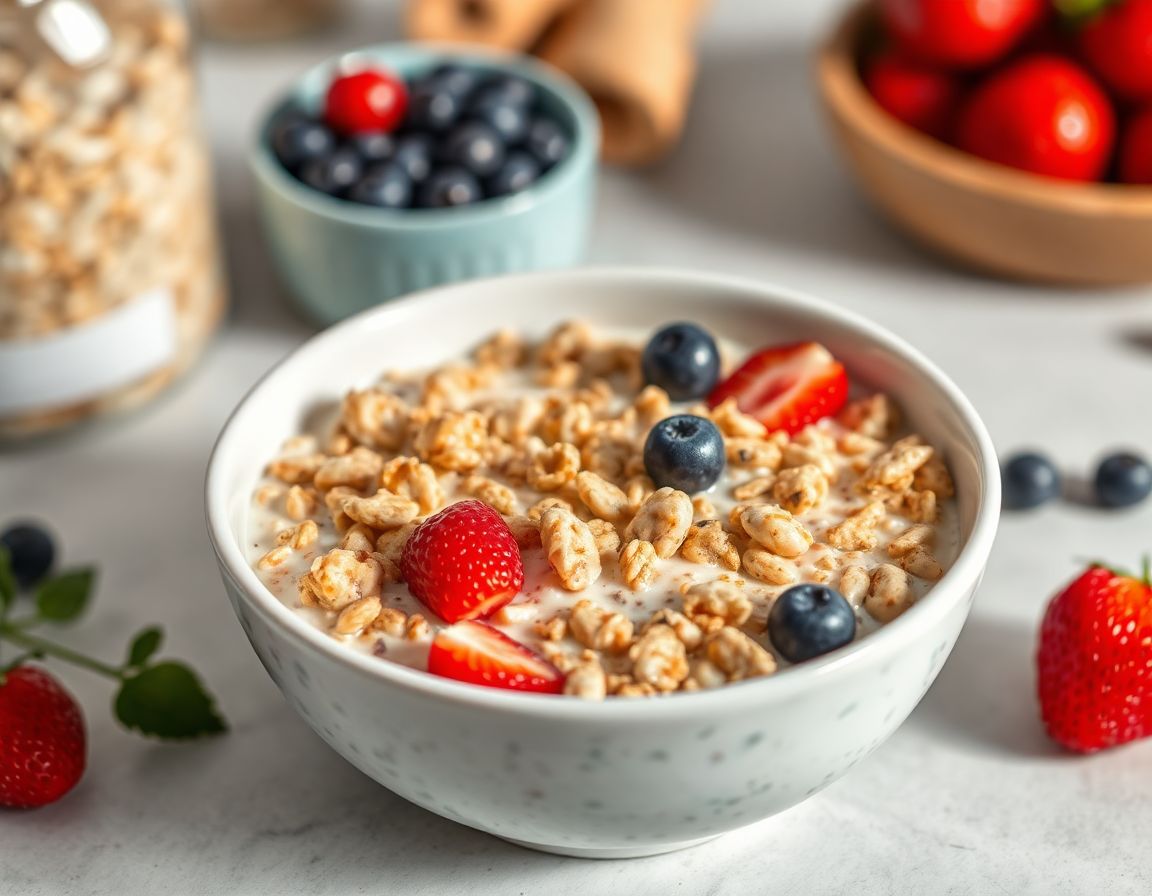
Muesli for Weight Loss: Cutting Diet Portions & Recipes
Use muesli for weight loss with measured portions, higher protein, lower sugar, and ingredient swaps that fit a realistic cutting diet without hunger.
Science
Muesli for Weight Loss: Cutting Diet Portions & Recipes
Use muesli for weight loss with measured portions, higher protein, lower sugar, and ingredient swaps that fit a realistic cutting diet without hunger.
 Recipes
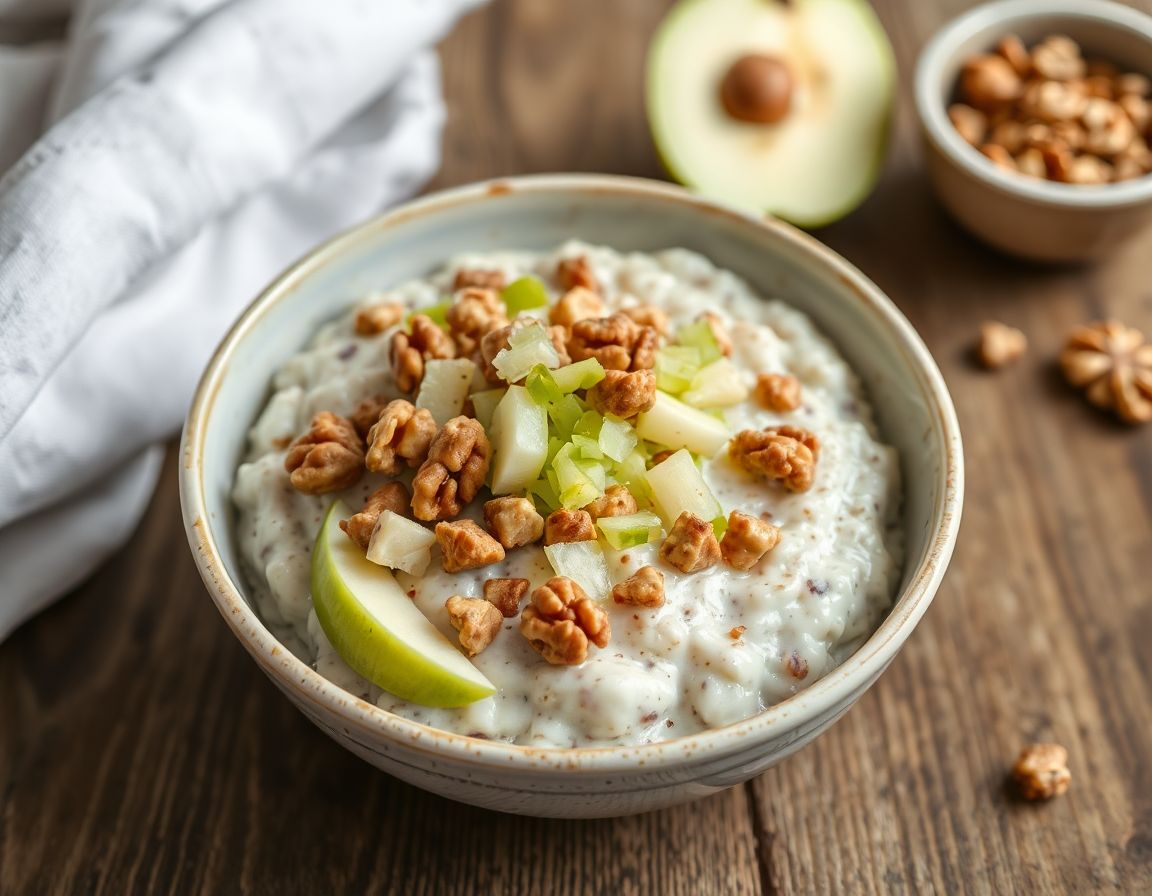
The Original 1900s Bircher Recipe (Diabetic Friendly)
Discover the original 1900s Bircher muesli recipe! This diabetic-friendly breakfast features oats, apples, nuts & cream for sustained energy & digestion.
Recipes
The Original 1900s Bircher Recipe (Diabetic Friendly)
Discover the original 1900s Bircher muesli recipe! This diabetic-friendly breakfast features oats, apples, nuts & cream for sustained energy & digestion.