Muesli for Weight Loss: Cutting Diet Portions & Recipes
Published March 27, 2026 · By Muesli.org Editorial Team
Quick Summary
Use muesli for weight loss with measured portions, higher protein, lower sugar, and ingredient swaps that fit a realistic cutting diet without hunger.
Muesli for Weight Loss and Cutting Diets
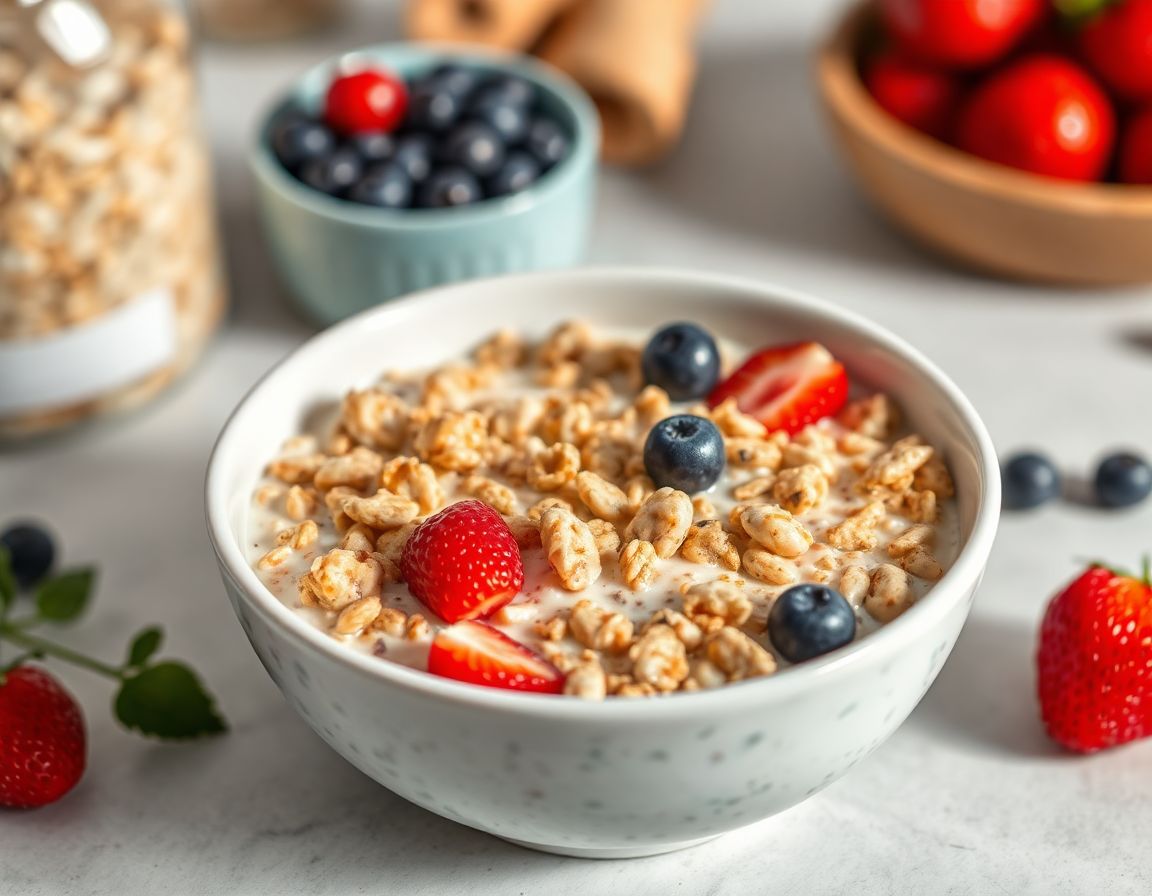
Muesli can work for weight loss and cutting diets, but only when the portion is measured and the bowl has enough protein to keep you full. The problem is not muesli itself; it is oversized servings, sweetened mixes, dried fruit, and calorie-dense toppings that turn a breakfast bowl into a surplus.
Bottom line
Muesli can support weight loss when you use unsweetened ingredients, measure the serving, add protein, and limit dried fruit, syrup, and high-calorie toppings.

Affiliate Pick
Raw Organic Pumpkin Seeds
Great crunch and high in zinc.
View on AmazonKey Takeaways
How to Fit Muesli Into a Cutting Diet
For fat loss, muesli works only when the portion is measured and the bowl has enough protein. The mistake is treating muesli like a free-food cereal. Nuts, seeds, dried fruit, and oats are nutritious, but they are calorie-dense.
A practical cutting bowl looks like this:
| Component | Cutting-friendly target |
|---|---|
| Muesli base | 30-45 g measured dry mix |
| Protein | Greek yogurt, skyr, cottage cheese, or protein-rich soy milk |
| Fruit | Fresh berries or grated apple, not large portions of dried fruit |
| Fat add-ins | 1 measured tablespoon of nuts or seeds |
| Sweetener | Cinnamon, berries, or low-glycemic sweetener instead of honey or syrup |
If hunger is the problem, increase protein before increasing oats. If calories are the problem, reduce dried fruit and nut portions first. For a more detailed serving-size guide, read Muesli Portion Size for Weight Loss. For a lower-carb variation, use Low Carb Muesli Options.
Understanding the Cutting Diet
A cutting diet centers around creating a calorie deficit, typically through a combination of diet and exercise. The goal is to force the body to tap into fat stores for energy while minimizing muscle loss. This requires a focus on nutrient-dense foods that provide sustained energy and support muscle protein synthesis.
Muesli's Nutritional Profile
Traditional muesli typically contains rolled oats, a variety of nuts and seeds, and some dried fruit. This composition offers a blend of macronutrients and micronutrients:
- Complex Carbohydrates: Oats provide a source of sustained energy, crucial for maintaining activity levels during a calorie deficit.
- Fiber: Promotes satiety, aids digestion, and helps regulate blood sugar levels.
- Healthy Fats: Nuts and seeds contribute essential fatty acids, important for hormone production and overall health.
- Protein: Nuts and seeds offer a plant-based protein source, contributing to muscle maintenance.
- Vitamins and Minerals: The specific nutrient profile varies depending on the ingredients, but muesli can be a good source of vitamins, minerals, and antioxidants.
The Pros of Muesli for a Cutting Diet
- Satiety: The high fiber and healthy fat content of muesli promotes a feeling of fullness, which can help manage hunger and reduce overall calorie intake.
- Sustained Energy: The complex carbohydrates in oats provide a slow, steady release of energy, preventing energy crashes and supporting physical activity.
- Nutrient Density: Muesli packs a variety of essential nutrients into a relatively small serving, making it a good choice for those looking to maximize nutrient intake while restricting calories.
- Customization: Muesli is highly customizable, allowing you to tailor the ingredients and portion sizes to meet your specific calorie and macronutrient goals. For example, adding Raw Organic Pumpkin Seeds can boost the protein and healthy fat content.
The Cons of Muesli for a Cutting Diet
- Calorie Density: Nuts, seeds, and dried fruit are calorie-dense. This means that even small portions of muesli can contribute a significant number of calories to your daily intake, making portion control essential.
- Added Sugars: Many commercially available muesli blends contain added sugars, which can derail your cutting efforts. Always choose unsweetened varieties and read the ingredient list carefully.
- Potential for Overeating: The palatability of muesli can make it easy to overeat if you're not mindful of your portion sizes.
- Digestive Issues: The high fiber content of muesli can cause bloating or gas in some individuals, especially if they're not used to consuming large amounts of fiber. Start with small portions and gradually increase your intake as tolerated.
How to Incorporate Muesli Effectively into a Cutting Diet
- Choose Wisely: Select unsweetened muesli blends with minimal added ingredients. Look for options that are primarily composed of rolled oats, nuts, and seeds.
- Control Portion Sizes: Measure your muesli carefully to ensure you're staying within your calorie goals. A typical serving size is 1/4 to 1/2 cup.
- Prioritize Protein: Muesli is relatively low in protein, so it's important to supplement it with other protein-rich foods. Consider adding Greek yogurt, cottage cheese, or a protein shake to your meal.
- Be Mindful of Toppings: Limit high-calorie toppings such as honey, maple syrup, or chocolate chips. Instead, opt for lower-calorie options like berries or a sprinkle of cinnamon.
- Hydrate Adequately: Drink plenty of water throughout the day to support digestion and prevent constipation, which can be a common side effect of high-fiber diets.
Recipe Idea: Cutting-Friendly Overnight Oats Muesli
This recipe provides a balanced combination of carbohydrates, protein, and healthy fats, making it a great option for a cutting diet.
- 1/2 cup rolled oats
- 1/4 cup unsweetened almond milk
- 1/4 cup Greek yogurt (for added protein)
- 1 tablespoon Raw Organic Pumpkin Seeds (for healthy fats and protein)
- 1/4 cup mixed berries
- Optional: a few drops of stevia or monk fruit sweetener (if desired)
Combine all ingredients in a jar or container, stir well, and refrigerate overnight. Enjoy cold.
Muesli vs. Granola for Weight Loss
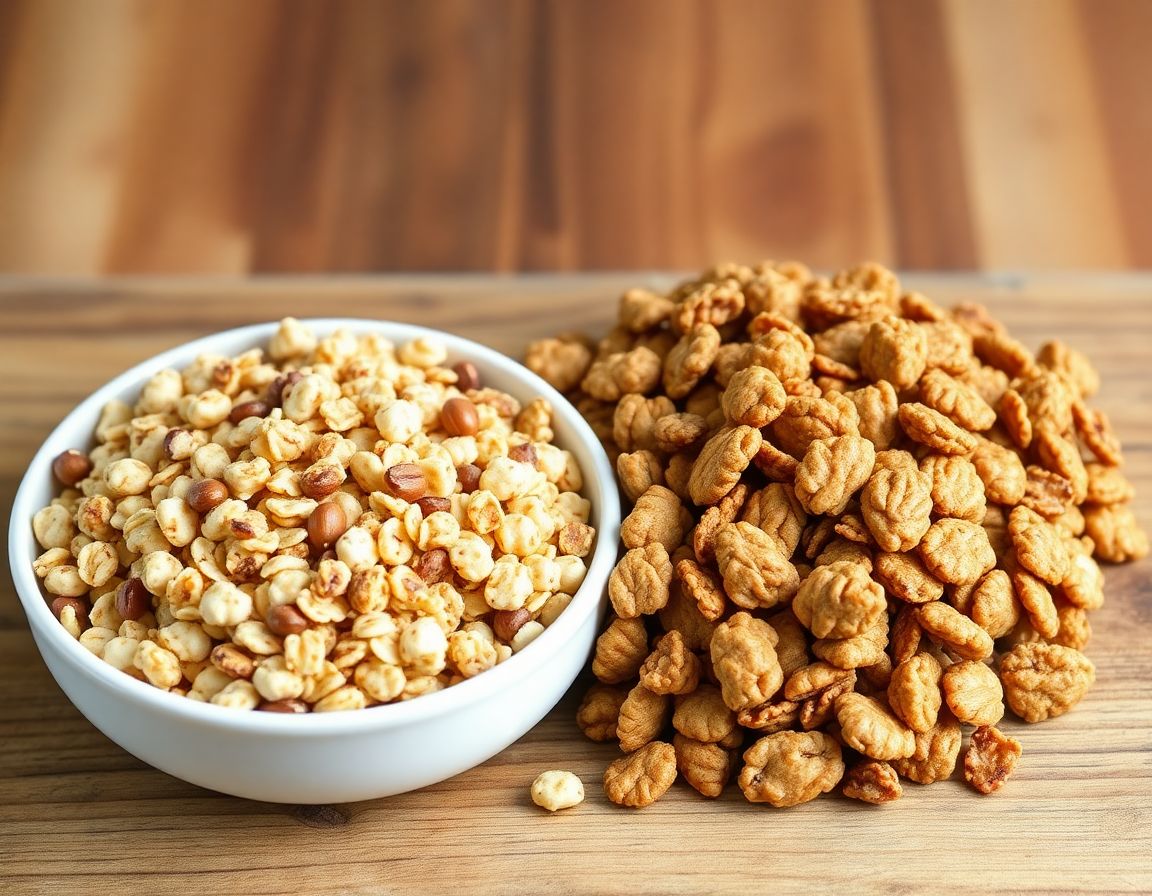
While both muesli and granola are popular breakfast options, they differ significantly in their nutritional profiles. Granola often contains added sugars and oils, making it significantly higher in calories than muesli. For this reason, muesli is generally a better choice for those following a cutting diet. Learn more about the key differences between muesli and granola in this article.
The Importance of Fiber
Fiber plays a crucial role in a cutting diet by regulating blood sugar levels, preventing cravings, promoting satiety, and aiding digestion.
Fiber and Satiety
Fiber slows down the absorption of carbohydrates, leading to a more gradual release of energy and preventing rapid spikes and crashes in blood sugar levels. This helps to stabilize energy levels, reduce cravings, and promote a feeling of fullness, which can be particularly beneficial when restricting calories.
The Role of Healthy Fats
Healthy fats are essential for hormone production, nutrient absorption, and satiety. Including sources of healthy fats, such as nuts and seeds, in your muesli can help support overall health and well-being during a cutting diet.
Listen to Your Body
Pay attention to how you feel after eating muesli and adjust your portion sizes and ingredients accordingly. If you experience bloating or gas, try reducing your fiber intake or choosing a different type of muesli. If you find that you're still hungry after eating muesli, consider adding more protein or healthy fats to your meal.
Muesli Cutting Diet Checklist
Read Next
 Education
Muesli vs Granola: Key Differences & Health Benefits Explained
Muesli vs Granola: What's the difference? Discover the key ingredients, health benefits, and nutritional value of each. Choose the best breakfast for you!
Education
Muesli vs Granola: Key Differences & Health Benefits Explained
Muesli vs Granola: What's the difference? Discover the key ingredients, health benefits, and nutritional value of each. Choose the best breakfast for you!
 Recipes
Low Calorie Muesli Recipes: Quick, Healthy & Delicious
Find delicious & healthy low calorie muesli recipes perfect for weight management! Quick, easy breakfasts & snacks using oats, fruits & nuts. Get started now!
Recipes
Low Calorie Muesli Recipes: Quick, Healthy & Delicious
Find delicious & healthy low calorie muesli recipes perfect for weight management! Quick, easy breakfasts & snacks using oats, fruits & nuts. Get started now!
 Science
Muesli Before Bed Weight Loss: Can It Actually Help?
Muesli before bed weight loss: can it work? Learn when a small bowl helps satiety, what ingredients to choose, and how to avoid sabotaging fat loss.
Science
Muesli Before Bed Weight Loss: Can It Actually Help?
Muesli before bed weight loss: can it work? Learn when a small bowl helps satiety, what ingredients to choose, and how to avoid sabotaging fat loss.
Weight-Loss Muesli Portion Targets
For most cutting diets, start with 1/4 to 1/2 cup dry muesli, then add Greek yogurt, unsweetened soy milk, or a protein-rich topping. If you are still hungry after breakfast, add protein or berries before adding more nuts, seeds, dates, or nut butter.
For a short structured reset, use the 7-Day Muesli Reset. For a lower-carb version, use Low Carb Muesli and keep the grain portion small.
Cutting-Friendly Product Swaps
For a leaner bowl, soak the dry mix in Organic Unsweetened Soy Milk or Unsweetened Almond Milk, then add Organic Chia Seeds for thickness. Keep Raw Organic Pumpkin Seeds to one measured tablespoon so the bowl stays filling without drifting out of your calorie target.