Best Muesli for Diabetics: Healthy & Low Sugar Options
Published March 27, 2026 · By Muesli.org Editorial Team
Quick Summary
Looking for the best muesli for diabetics? Our guide reveals healthy & low sugar options that won't spike your blood sugar.
The Best Muesli for Diabetics: A Guide to Smart Choices
Choosing the best muesli for diabetics means understanding how ingredients and preparation affect blood sugar. The right muesli can be a delicious and beneficial part of a diabetic-conscious diet. This guide cuts through the noise to give you actionable advice.
The Bottom Line
The best muesli for diabetics is high in fiber, low in added sugar, and prepared in a way that minimizes blood sugar spikes. Focus on whole grains, nuts, and seeds, and consider overnight soaking.
Key Takeaways
Muesli and Diabetes: A Closer Look
Managing diabetes effectively involves stabilizing blood sugar. Muesli, when selected and prepared thoughtfully, can be a valuable addition to a diabetic-friendly meal plan. However, not all muesli is created equal.
Here's why muesli can work:
- Fiber Powerhouse: Muesli, especially with ingredients like Bob's Red Mill Gluten Free Rolled Oats, nuts, and seeds, delivers significant fiber. Fiber slows down sugar absorption, preventing rapid blood sugar spikes.
- Complex Carbohydrates: The carbohydrates in muesli come from whole grains, providing a more sustained energy release compared to refined grains found in many processed cereals.
- Nutrient Density: Muesli offers essential vitamins and minerals, contributing to overall well-being.
The key is avoiding the common pitfalls: added sugars, high-GI dried fruits, and overly processed ingredients.
Decoding the Label: What to Look For (and Avoid)
Navigating the ingredients list is crucial. Here's your cheat sheet:
The "Yes" List:
- Whole Grains: Rolled oats, barley flakes, and rye flakes are excellent choices. Rolled oats provide soluble fiber, which is particularly beneficial for blood sugar control.
- Nuts and Seeds: Almonds, walnuts, flaxseeds, chia seeds, and pumpkin seeds contribute healthy fats, protein, and fiber, helping to lower the glycemic response.
- Unsweetened Dried Berries (in moderation): Small portions of unsweetened cranberries or blueberries can add flavor and antioxidants. Remember to be mindful of portion size due to their natural sugar content.
- Spices: Cinnamon may improve insulin sensitivity.
The "No" List:
- Added Sugars: Steer clear of white sugar, brown sugar, honey, maple syrup, agave nectar, high-fructose corn syrup, and anything ending in "-ose."
- Sugar-Coated Dried Fruits: Many dried fruits are coated in sugar to enhance sweetness and appearance.
- Refined Grains: Avoid muesli containing white flour or other heavily processed grains.
- Artificial Sweeteners (Proceed with Caution): While some artificial sweeteners may not directly raise blood sugar, they can have other potential health impacts. If you're looking for sweetness, explore options discussed in our article on Low Glycemic Sweeteners: Best Sugar Alternatives & Brands.
- Hydrogenated Oils: These unhealthy fats can contribute to insulin resistance.
Optimizing Muesli for Blood Sugar Control
How you prepare your muesli is just as important as the ingredients.
- The Power of Soaking: Soaking muesli overnight in unsweetened milk (dairy or plant-based), yogurt, or even just water softens the grains, aids digestion, and can improve nutrient absorption. This process also helps to reduce phytic acid, which can inhibit mineral absorption. This soaking technique is central to The Original 1900s Bircher Recipe (Diabetic Friendly).
- Portion Control is Key: Stick to a serving size of around 1/4 to 1/2 cup of dry muesli. It expands when soaked!
- Pair with Protein and Healthy Fats: Combine your muesli with Greek yogurt, a handful of nuts, or a spoonful of nut butter to slow down sugar absorption.
- Low-Glycemic Fruit Choices: Fresh berries (strawberries, blueberries, raspberries, blackberries) are excellent additions due to their low GI and high antioxidant content.
- Limit High-Glycemic Fruits: Consume bananas, grapes, and mangoes sparingly, and always pair them with protein and fat to mitigate their impact on blood sugar.
Muesli Ingredient Checklist
Checklist
Building Your Own Diabetic-Friendly Muesli
While some pre-made muesli options are acceptable, creating your own allows for complete control over ingredients. A simple base like
Affiliate Pick Certified gluten-free thick rolled oats, perfect for maintaining texture in overnight muesli.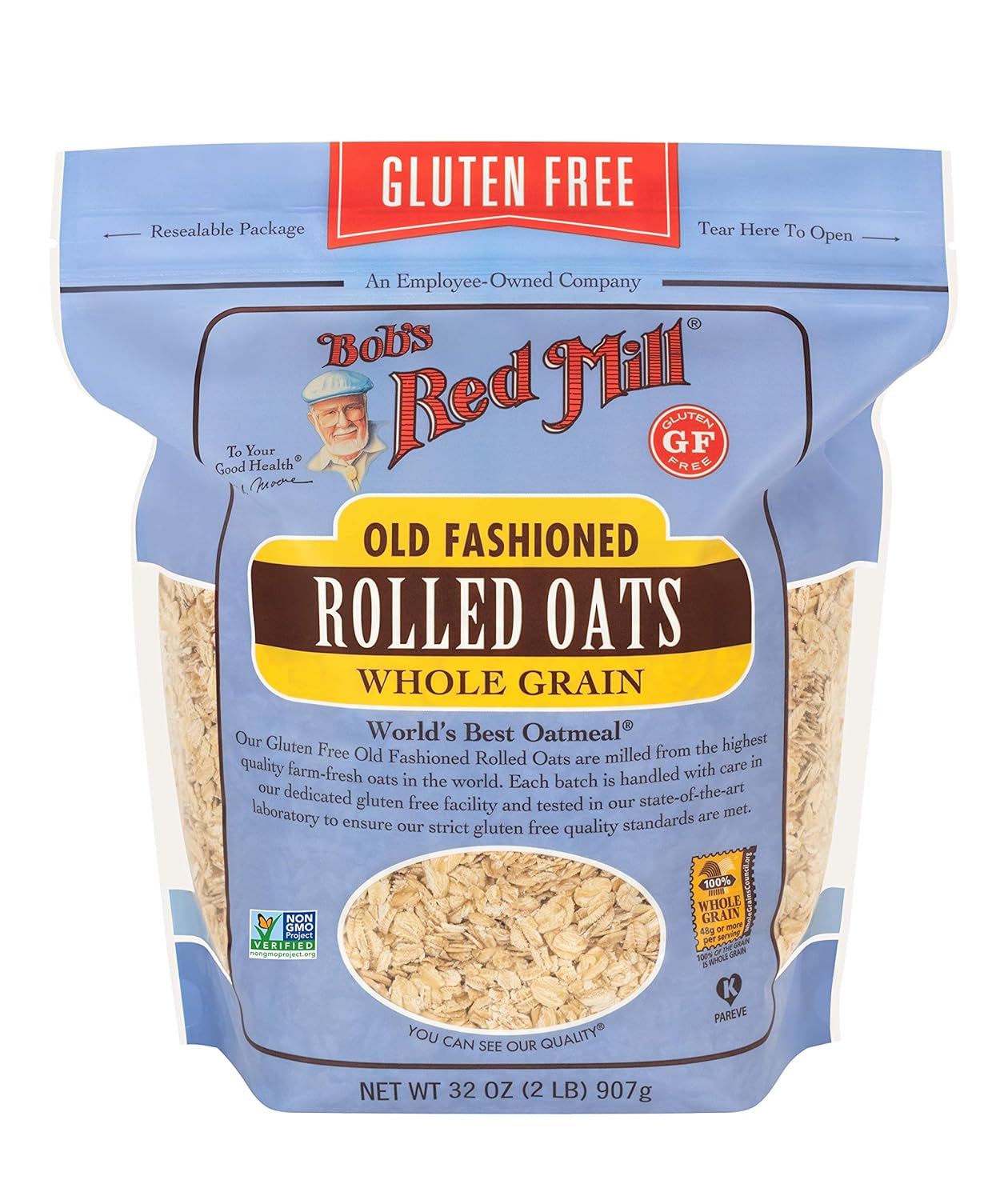
Bob's Red Mill Gluten Free Rolled Oats
Diabetic-Friendly Muesli Recipe Ideas
Here are a couple of starting points:
Overnight Oats with Berries and Chia Seeds:
- 1/2 cup Bob's Red Mill Gluten Free Rolled Oats
- 1 cup unsweetened almond milk
- 1/4 cup mixed berries (strawberries, blueberries, raspberries)
- 1 tablespoon chia seeds
- 1/4 teaspoon cinnamon
- A few drops of stevia or monk fruit (optional)
Combine all ingredients in a jar, stir well, and refrigerate overnight.
Bircher Muesli with Apple and Yogurt:
- 1/2 cup rolled oats
- 1/2 cup plain Greek yogurt
- 1/4 cup unsweetened applesauce
- 1/4 apple, grated
- 1 tablespoon chopped walnuts
- A squeeze of lemon juice
Combine all ingredients in a bowl, stir well, and let sit for at least 30 minutes before eating (or prepare overnight).
Read Next
 Ingredients
Best Low Glycemic Sweeteners for Muesli Breakfast Bowls
Compare the best low glycemic sweeteners for muesli, from apple and berries to monk fruit, stevia, cinnamon, sugar alcohols, and smarter breakfast portions.
Ingredients
Best Low Glycemic Sweeteners for Muesli Breakfast Bowls
Compare the best low glycemic sweeteners for muesli, from apple and berries to monk fruit, stevia, cinnamon, sugar alcohols, and smarter breakfast portions.
 Recipes
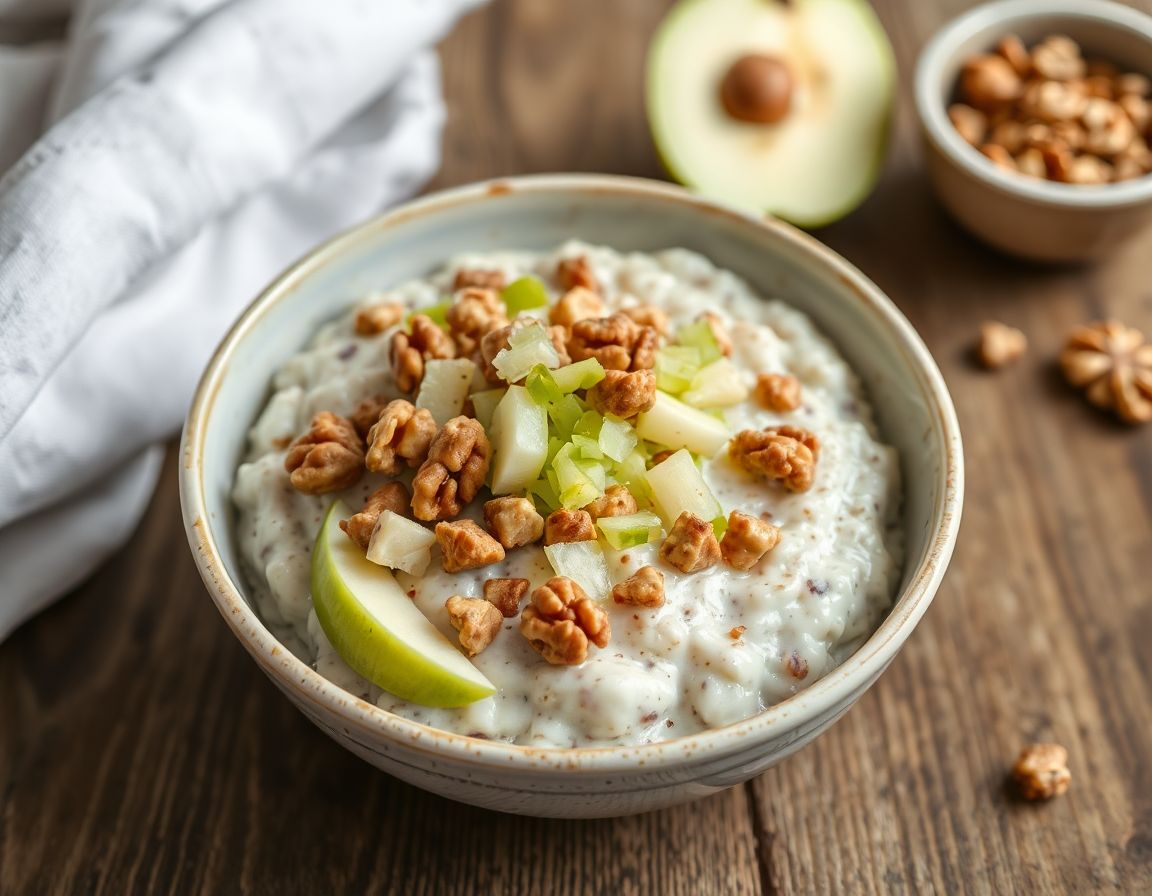
The Original 1900s Bircher Recipe (Diabetic Friendly)
Discover the original 1900s Bircher muesli recipe! This diabetic-friendly breakfast features oats, apples, nuts & cream for sustained energy & digestion.
Recipes
The Original 1900s Bircher Recipe (Diabetic Friendly)
Discover the original 1900s Bircher muesli recipe! This diabetic-friendly breakfast features oats, apples, nuts & cream for sustained energy & digestion.