Overnight Oats Weight Gain: How Many Calories Are Too Much?
Quick Summary
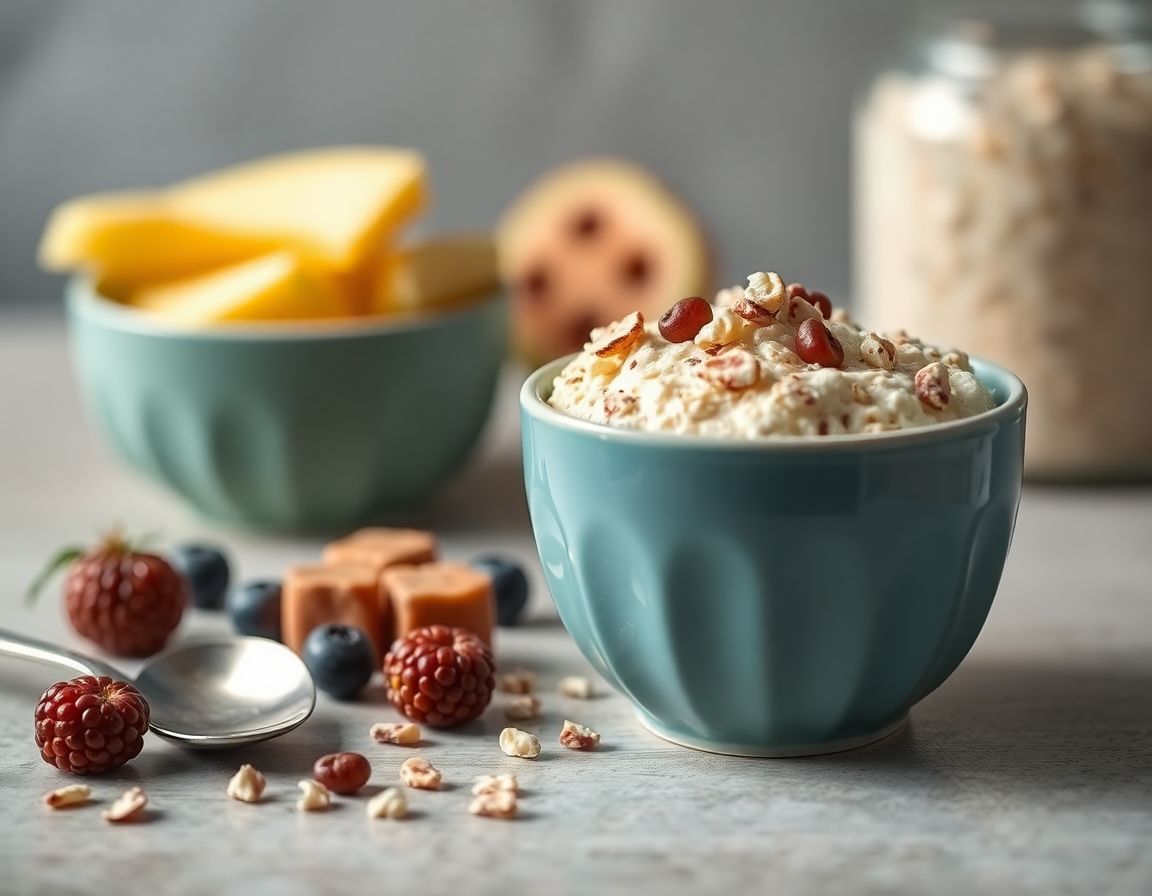
Overnight oats weight gain: Is it possible? Learn how ingredients & portion sizes affect your weight. Make overnight oats a weight-loss ally, not enemy!
Can Overnight Oats Cause Weight Gain?
Overnight oats are a convenient and customizable breakfast. But can they lead to overnight oats weight gain? It's not the oats themselves, but how you prepare them that matters. This guide shows you how to make overnight oats a weight-management ally.
The short answer
Overnight oats, when prepared with mindful ingredients and portion sizes, can absolutely be part of a weight-conscious diet. Watch out for added sugars and high-calorie ingredients.

Affiliate Pick
Organic Chia Seeds
Adds thickness and essential Omega-3 fatty acids to your morning bowl.
View on AmazonKey Takeaways
Understanding Overnight Oats Basics
Overnight oats are made by soaking rolled oats in liquid (dairy or plant-based milk) overnight. This softens the oats, creating a creamy, no-cook breakfast. The base is simple: oats and liquid. Customization – and potential pitfalls – come next.
A typical serving (around 1/2 cup dry rolled oats) offers:
- Fiber: High in soluble fiber, especially beta-glucan (see Overnight Oats Fiber Content: Benefits, Recipes & More!).
- Complex Carbohydrates: Provides sustained energy.
- Protein: Contributes to daily protein intake.
- Vitamins and Minerals: Includes magnesium, iron, and zinc.
The Calorie Equation: Portion Control is Key
Overnight oats contribute to weight gain only if your calorie intake exceeds expenditure. Here's how to manage calories:
- Portion Control: Start with 1/2 cup of dry oats. It's easy to overestimate.
- Beware High-Calorie Add-ins: Honey, maple syrup, chocolate chips, excessive nut butter, and dried fruit increase calories.
- Liquid Choices Matter: Full-fat dairy or coconut milk have more calories than unsweetened almond milk or water.
The Sugar Trap: Sweetness Without Excess
Added sugar contributes to weight gain. Many recipes use sweeteners like honey or maple syrup. Even dried fruit can be high in sugar.
Manage sugar intake:
- Use Natural Sweeteners Judiciously: A small drizzle is okay, but use less over time.
- Embrace Fruit for Sweetness: Berries, bananas, and apples provide natural sweetness and nutrients.
- Read Nutrition Labels Carefully: Check sugar content in flavored yogurts, plant-based milks, and protein powders. Choose unsweetened options.
Fiber for Satiety: Feel Fuller Longer
The high fiber content of overnight oats aids weight management. Fiber promotes satiety, reducing overeating. See Overnight Oats Breakfast Replacement: Is It Enough? for more on satiety.
Maximize satiety:
- Incorporate Protein: Add protein powder, Greek yogurt, or nuts and seeds.
- Boost Fiber Further: Add a tablespoon of Organic Chia Seeds or ground flax seeds. These also provide healthy fats.
- Stay Hydrated: Drink water to aid digestion and promote fullness.
Macronutrient Balance: Sustained Energy
For weight management, balance macronutrients:
- Complex Carbohydrates: Oats are the primary source.
- Protein: Essential for satiety and muscle maintenance. Sources include protein powder, Greek yogurt, cottage cheese, nuts, and seeds.
- Healthy Fats: Contribute to satiety and health. Include nuts, seeds, avocado, or nut butter.
A balanced profile regulates blood sugar, prevents crashes, and keeps you satisfied.
Mindful Eating: Listen to Your Body
Even with healthy ingredients, overeating leads to weight gain. Practice mindful eating:
- Pay attention to hunger cues: Eat when truly hungry.
- Eat slowly and without distractions: Avoid eating in front of the TV or while working.
- Use smaller bowls: Control portion sizes and feel satisfied with less.
Recipe Ideas for Weight Management
Here are overnight oats recipes for weight management:
- Berry Protein Power Oats: 1/2 cup rolled oats, 1 scoop vanilla protein powder, 1/2 cup mixed berries, 1/2 cup unsweetened almond milk, cinnamon.
- Savory Spinach & Egg Oats: 1/2 cup rolled oats, 1/2 cup low-sodium vegetable broth, spinach, 1 hard-boiled egg (chopped), salt and pepper.
- Apple Cinnamon Delight Oats: 1/2 cup rolled oats, 1/2 cup unsweetened almond milk, 1/4 cup diced apple, 1/4 teaspoon cinnamon, nutmeg, and a tablespoon of chopped walnuts. A few Organic Unsweetened Raisins can add sweetness.
Personalize Your Oats
Nutrition is not one-size-fits-all. Adjust recipes and quantities to suit your needs, activity level, dietary restrictions, and weight goals.
Science Note
The glycemic index (GI) of foods affects blood sugar. Oats have a relatively low GI, but sugary ingredients raise the overall GI. Use low-GI sweeteners like stevia or monk fruit, and focus on fiber-rich additions.
Overnight Oats: A Healthy Lifestyle Component
Overnight oats are a tool, not a magic bullet. A balanced diet, exercise, sleep, and stress management are crucial.
Think of overnight oats as a way to obtain sustained energy, promote satiety, support gut health, and contribute to well-being.
Common Pitfalls to Avoid
- Excessive Sweetener: Limit honey, maple syrup, agave, and other added sugars.
- High-Calorie Liquids: Choose unsweetened almond milk, water, or unsweetened cashew milk.
- Ignoring Portion Sizes: Start with 1/2 cup of dry oats.
- Neglecting Macronutrient Balance: Include protein and healthy fats.
- Relying Solely on Overnight Oats: A balanced lifestyle is key.
Overnight Oats Meal Prep: Easy Recipes & Time-Saving Tips can help you plan meals and control portions.
Read Next
 Science
Overnight Oats for Muscle Growth: Recipes & Benefits
Overnight oats muscle growth: Can this breakfast boost gains? Learn how strategically prepared overnight oats can fuel workouts & support muscle recovery.
Science
Overnight Oats for Muscle Growth: Recipes & Benefits
Overnight oats muscle growth: Can this breakfast boost gains? Learn how strategically prepared overnight oats can fuel workouts & support muscle recovery.
 Guide
Overnight Oats Pregnancy: Benefits, Safety & Recipes
Overnight oats pregnancy: Discover the benefits & safety of this easy breakfast! Learn if overnight oats are good for you & get tips for nutritious recipes.
Guide
Overnight Oats Pregnancy: Benefits, Safety & Recipes
Overnight oats pregnancy: Discover the benefits & safety of this easy breakfast! Learn if overnight oats are good for you & get tips for nutritious recipes.
 Guide
Overnight Oats Breakfast Replacement: Is It Enough?
Overnight oats breakfast replacement guide: learn when a jar is enough for a full meal, what to add for balance, and when it falls short nutritionally.
Guide
Overnight Oats Breakfast Replacement: Is It Enough?
Overnight oats breakfast replacement guide: learn when a jar is enough for a full meal, what to add for balance, and when it falls short nutritionally.