Overnight Oats Fiber Content: Benefits, Recipes & More!
Published March 27, 2026 · By Muesli.org Editorial Team
Quick Summary
Unlock the power of overnight oats! Learn about the impressive overnight oats fiber content, its benefits for digestion & health, plus delicious high-fiber recipes.
Overnight Oats: The Ultimate Fiber Boost
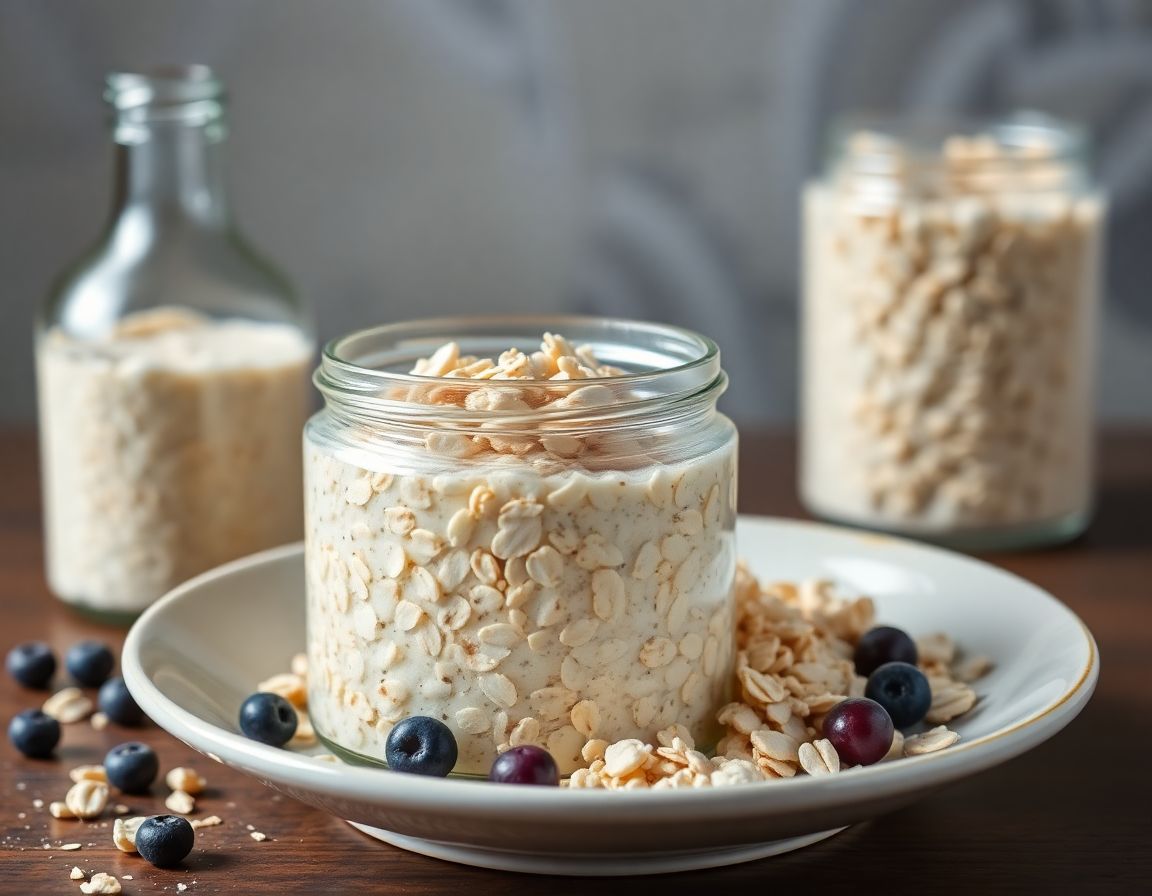
Overnight oats are a convenient and healthy breakfast, largely due to their impressive fiber content. But how much fiber are we talking, and what does it do for you, specifically? This guide breaks down the fiber content of overnight oats, the types of fiber involved, and practical ways to maximize the benefits of this simple meal.
Fiber Facts
A typical serving of overnight oats (using 1/2 cup rolled oats) provides roughly 4-5 grams of fiber before any additions. Adding ingredients like Organic Chia Seeds, flax seeds, and berries can easily boost this to 10 grams or more, significantly contributing to your daily fiber needs.

Affiliate Pick
Organic Chia Seeds
Adds thickness and essential Omega-3 fatty acids to your morning bowl.
View on AmazonKey Takeaways
The Fiber Power of Overnight Oats: A Detailed Look
Oats are a whole grain and a valuable source of dietary fiber. The overnight soaking process softens the oats, making the fiber more accessible and potentially easier to digest for some individuals. This process may also enhance the bioavailability of certain nutrients.
Here's a closer look at the key fiber contributors you can include in your bowl:
- Rolled Oats: The foundation of overnight oats, providing a balanced mix of soluble and insoluble fiber.
- **Chia Seeds:** These tiny seeds are fiber powerhouses, particularly rich in soluble fiber. They create a gel-like consistency when soaked, adding creaminess and significantly boosting overall fiber intake.
- Berries: Blueberries, raspberries, and strawberries are excellent sources of fiber, vitamins, and antioxidants. Choose fresh or frozen based on availability and preference.
- Nuts and Seeds: Flax seeds, almonds, walnuts, and other nuts and seeds contribute additional fiber, healthy fats, and essential nutrients.
Soluble vs. Insoluble Fiber: Understanding the Difference
Understanding the different roles of soluble and insoluble fiber is key to optimizing your overnight oats for specific health goals.
- Soluble Fiber: This type of fiber dissolves in water, forming a gel-like substance in the digestive tract. It's known for its potential to help regulate blood sugar levels and support healthy cholesterol levels. Beta-glucan, a soluble fiber abundant in oats, has been extensively studied for its potential cholesterol-lowering effects.
- Insoluble Fiber: This type of fiber does not dissolve in water. Instead, it adds bulk to the stool, promoting regular bowel movements and helping to prevent constipation. It also aids in cleansing the digestive tract by helping to move waste through the system more efficiently.
Overnight oats, especially when combined with other fiber-rich ingredients, provide a beneficial combination of both types of fiber, contributing to overall digestive health and well-being.
Maximizing Fiber Intake: Practical & Delicious Tips
Here's how to create a truly fiber-rich overnight oats recipe:
- Choose Rolled Oats: Rolled oats offer a good balance of texture and fiber content.
- Don't Skimp on Chia Seeds: Add 1-2 tablespoons of Organic Chia Seeds for a noticeable fiber boost and creamy texture.
- Load Up on Berries: Fresh or frozen berries are a delicious and nutritious way to increase fiber intake and add antioxidants.
- Incorporate Nuts and Seeds: Flax seeds, almonds, walnuts, and sunflower seeds offer different types of fiber, healthy fats, and essential nutrients.
- Consider Resistant Starch: For an added gut health boost, consider adding a source of resistant starch like uncooked plantain flour or green banana flour.
- Choose Unsweetened Ingredients: Avoid added sugars and opt for natural sweeteners like stevia or a small amount of maple syrup if desired.
Fiber-Boosting Checklist
Potential Considerations
While overnight oats are generally a healthy choice, keep these points in mind:
- Gluten Sensitivity: If you have celiac disease or gluten sensitivity, choose certified gluten-free oats to avoid potential reactions.
- Digestive Discomfort: Increasing fiber intake too quickly can lead to bloating, gas, and other digestive issues. Gradually increase your fiber consumption to allow your body to adjust.
- Portion Control: While fiber is beneficial, excessive calorie intake can hinder weight management goals. Be mindful of portion sizes and overall calorie content.
Recipe Ideas
- Peanut Butter Banana: Rolled oats, almond milk, chia seeds, peanut butter, sliced banana.
- Berry Blast: Rolled oats, almond milk, chia seeds, mixed berries (blueberries, raspberries, strawberries).
- Apple Cinnamon: Rolled oats, almond milk, chia seeds, grated apple, cinnamon, a touch of maple syrup.
Experiment with different combinations to discover your personal favorites.
Read Next