Muesli Glycemic Load: How to Lower Blood Sugar Impact
Published March 27, 2026 · By Muesli.org Editorial Team
Quick Summary
Muesli glycemic load explained: learn which ingredients raise or lower blood sugar impact and how to build a bowl that keeps energy steady for hours daily.
Understanding the Glycemic Load of Muesli
Muesli, a mix of grains, nuts, seeds, and fruit, offers a nutritious start to the day. But how does it affect your blood sugar? Understanding the muesli glycemic load is key, especially if you're managing your blood sugar or seeking sustained energy. This guide explains what influences muesli's glycemic load and how to make smart choices.
The Short Answer
Muesli's glycemic load (GL) varies widely based on ingredients. Prioritize unsweetened muesli with whole grains, nuts, seeds, and minimal dried fruit to minimize blood sugar impact.
Key Takeaways
What is Glycemic Load (GL)?
Glycemic load (GL) quantifies how much a serving of food is expected to raise your blood glucose levels. It's a more practical measure than glycemic index (GI) because it considers portion size.
- Glycemic Index (GI): Ranks foods (0-100) by how quickly they raise blood sugar. High-GI foods cause rapid spikes.
- Glycemic Load (GL): Calculated as (GI x grams of carbohydrate) / 100. GL values: 10 or less is low, 11-19 is medium, and 20+ is high.
GI vs. GL: A Practical Example
Watermelon has a high GI, but a typical serving has a relatively low amount of carbohydrate, resulting in a low GL. This illustrates why GL is often more useful for dietary planning.
Key Factors Affecting Muesli's Glycemic Load
Muesli's GL is highly variable. Here's what to consider:
- Grain Type: Rolled oats are a common base. Steel-cut oats generally have a lower GI than instant oats due to less processing. For a gluten-free option, consider Bob's Red Mill Gluten Free Rolled Oats. Other grains like barley or quinoa can also influence GL.
- Added Sugars: A major driver of GL. Many commercial mueslis contain added sugars (honey, maple syrup, refined sugar), which raise GL significantly. Opt for unsweetened muesli and add your own sweeteners sparingly. For lower-glycemic options, see our article on Low Glycemic Sweeteners: Best Sugar Alternatives & Brands.
- Dried Fruits: Concentrated sources of natural sugars. While nutritious in moderation, they can increase GL. Raisins and dates are particularly high in sugar. Use small portions or choose lower-sugar options like dried blueberries.
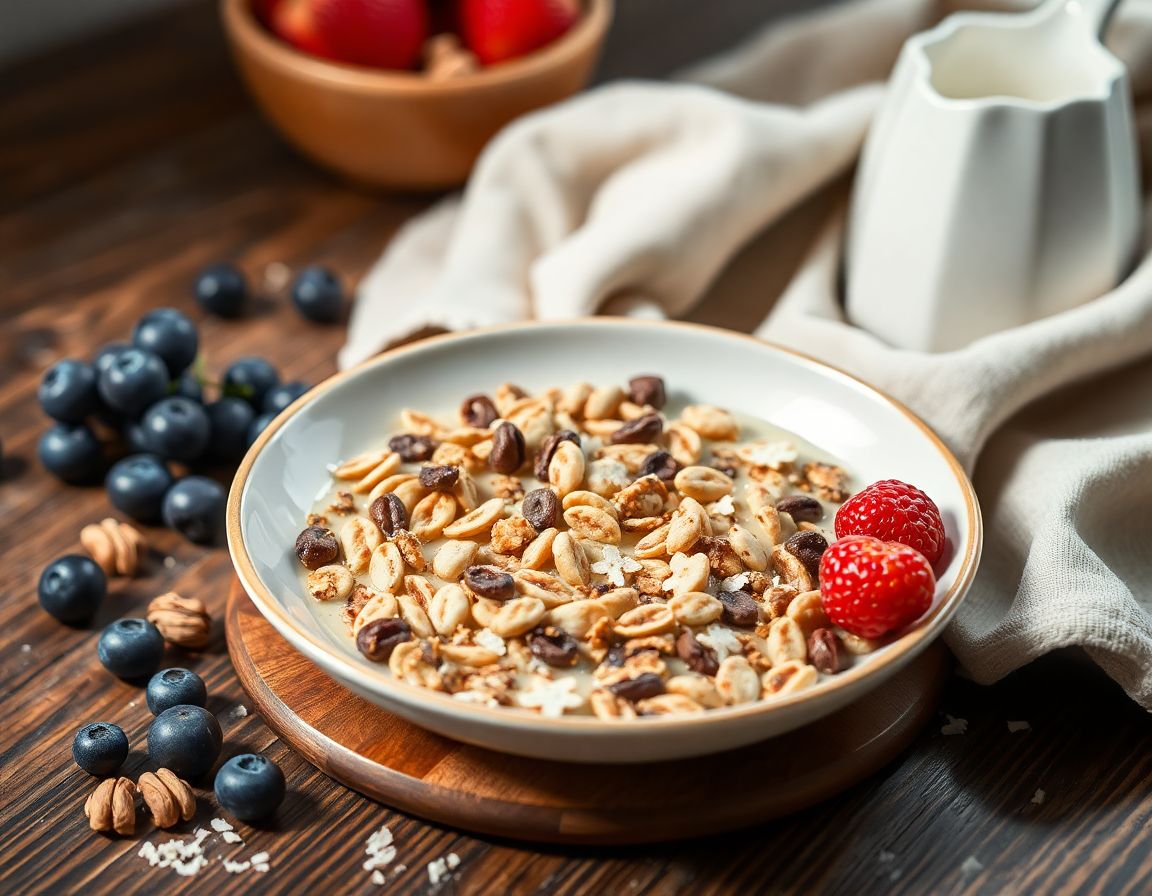
- Nuts and Seeds: Generally low in carbohydrates and high in fiber and healthy fats. These slow sugar absorption and lower the overall GL. Add a generous portion of almonds, walnuts, chia seeds, or flaxseeds.
- Preparation: Overnight Soaking: Soaking muesli overnight (Bircher muesli) may slightly reduce its GL. Soaking can help break down starches, potentially leading to slower glucose release. More research is needed to confirm the magnitude of this effect.
Muesli vs. Other Breakfast Cereals: A Quick Comparison
Muesli often has a lower GL than many processed breakfast cereals due to its higher fiber and lower added sugar content. However, always compare labels. Many sugary cereals cause rapid blood sugar spikes. Muesli, especially when carefully prepared, provides more sustained energy.
Choosing Low Glycemic Load Muesli: A Checklist
Checklist
Low-GL Muesli Ideas
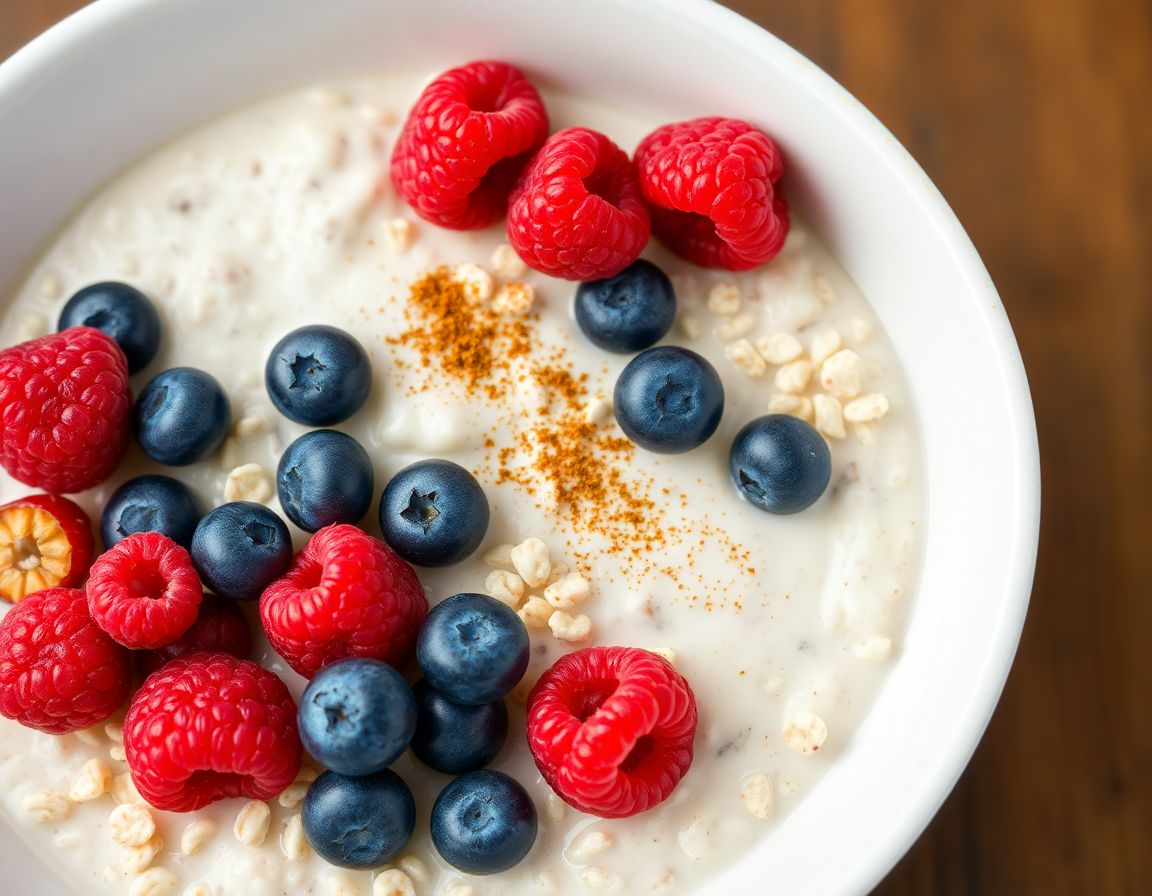
- Simple Start: Combine rolled oats, chopped almonds, sunflower seeds, flaxseeds, and cinnamon. Top with fresh berries and unsweetened almond milk.
- Overnight Bircher: Soak rolled oats overnight in unsweetened apple juice with grated apple, lemon juice, and plain yogurt. Add nuts, seeds, and a sprinkle of cinnamon before serving.
- Tropical Twist: Mix rolled oats with shredded coconut, chopped macadamia nuts, chia seeds, and diced mango. Use unsweetened coconut milk.
Muesli as Part of a Balanced Diet
Muesli, when thoughtfully chosen and prepared, can be a valuable component of a balanced diet. Its fiber promotes digestive health and helps regulate blood sugar. Nuts and seeds provide healthy fats, and fruit offers essential vitamins and minerals.
By understanding the factors influencing muesli glycemic load and making informed choices, you can enjoy the benefits of this nutritious food while maintaining stable blood sugar levels.
Affiliate Pick Certified gluten-free thick rolled oats, perfect for maintaining texture in overnight muesli.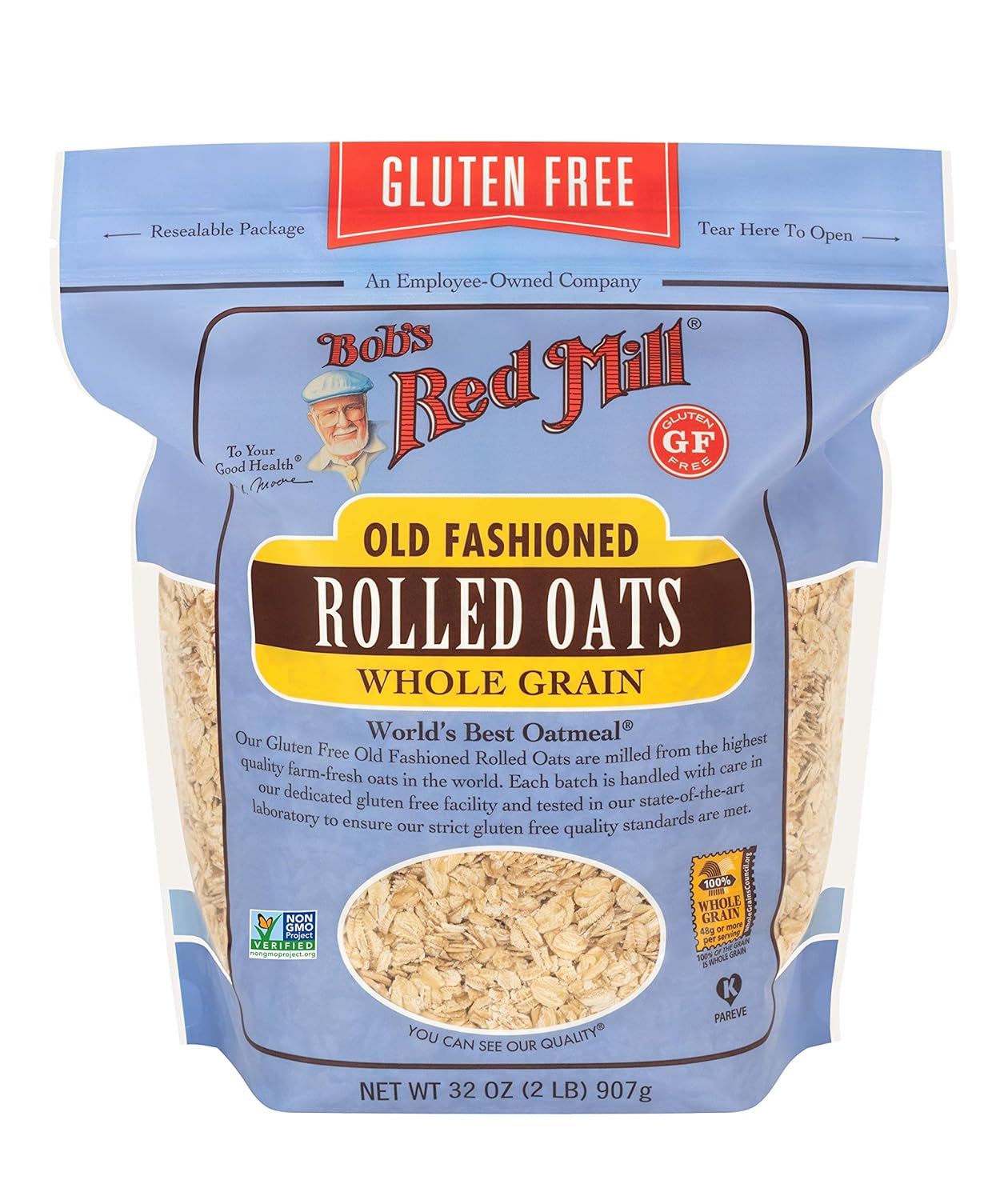
Bob's Red Mill Gluten Free Rolled Oats
Read Next