Muesli for Type 2 Diabetes: Is It Safe? Benefits & Choices
Published March 27, 2026 · By Muesli.org Editorial Team
Quick Summary
Is muesli for type 2 diabetes a good choice? Learn how to enjoy muesli while managing blood sugar. Discover the best ingredients & portion control tips!
Is Muesli Safe for Type 2 Diabetes? A Practical Guide
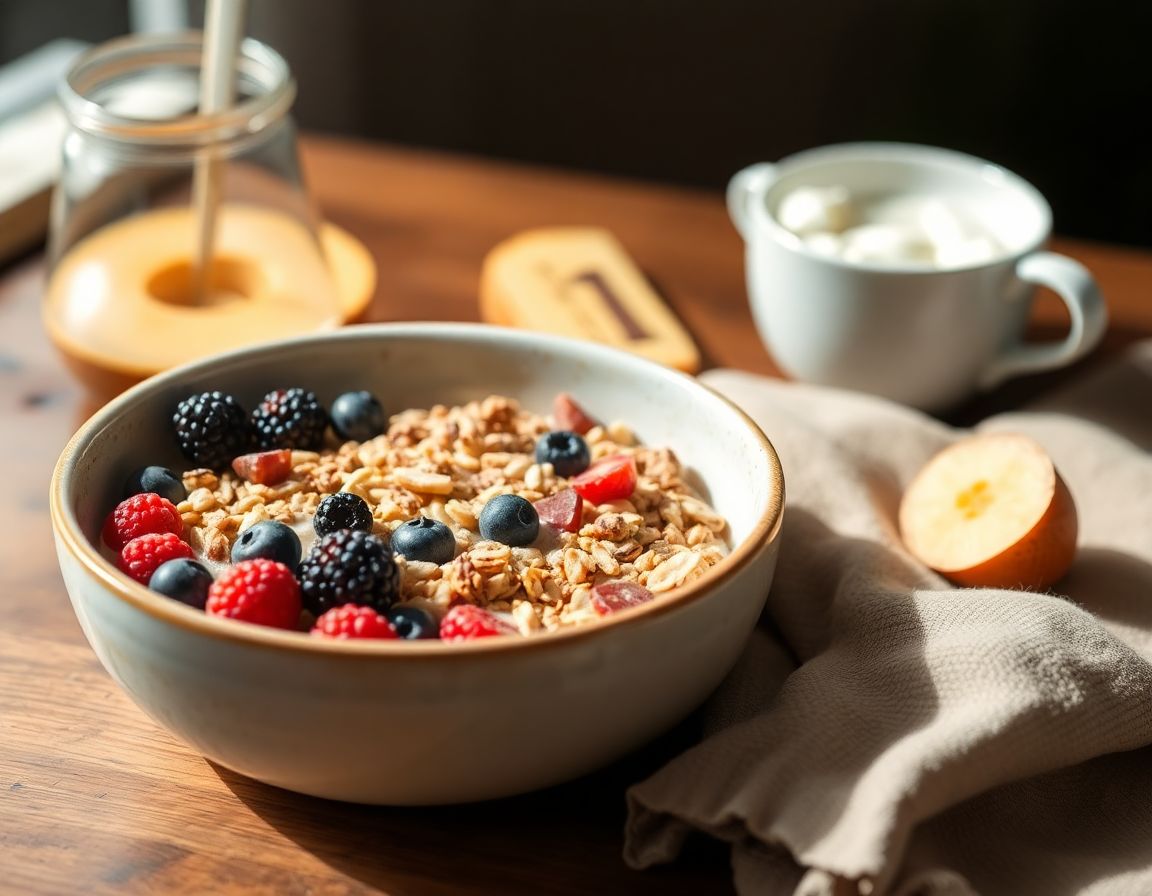
Muesli can be a healthy and satisfying breakfast option for individuals with type 2 diabetes, but careful selection and preparation are essential. The key is understanding how different ingredients affect blood sugar levels and customizing your muesli accordingly.
Quick Answer
Yes, muesli can be safe and even beneficial for type 2 diabetes if you choose the right ingredients and control portion sizes. Focus on whole grains, limit dried fruit, and add plenty of nuts and seeds.
Affiliate Pick
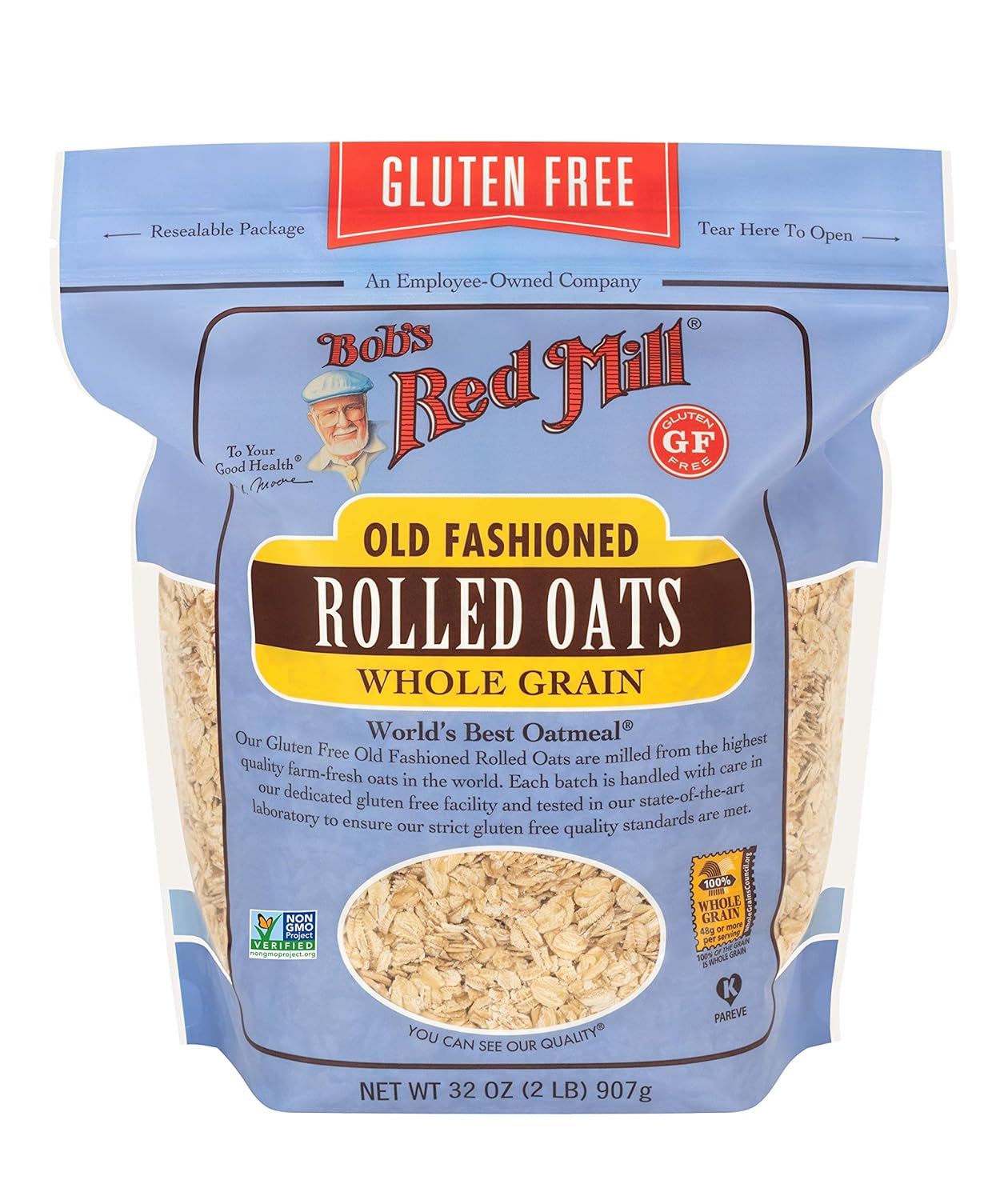
Bob's Red Mill Gluten Free Rolled Oats
Certified gluten-free thick rolled oats, perfect for maintaining texture in overnight muesli.
View on AmazonKey Takeaways
Understanding Muesli's Impact on Blood Sugar
For individuals managing type 2 diabetes, maintaining stable blood sugar levels is paramount. The glycemic index (GI) and glycemic load (GL) are useful tools for understanding how different foods affect blood sugar. Foods with a high GI cause rapid spikes, while low-GI foods are digested more slowly, leading to a more gradual rise.
The GI of muesli varies depending on its composition. While rolled oats, the foundation of most muesli blends, have a moderate GI, the addition of dried fruits like raisins or dates can significantly increase the overall GI. Conversely, incorporating nuts and seeds, rich in healthy fats and fiber, can help mitigate the impact on blood sugar by slowing down carbohydrate absorption.
Benefits of Muesli for Type 2 Diabetes
When thoughtfully chosen and prepared, muesli can offer several advantages for individuals with type 2 diabetes:
- Rich in Fiber: Muesli, particularly when crafted with whole grains, is an excellent source of dietary fiber. Fiber plays a vital role in regulating blood sugar levels, promoting satiety, and supporting healthy weight management.
- Nutrient Density: Muesli provides a diverse array of essential vitamins, minerals, and antioxidants, contributing to overall health and well-being.
- Heart-Healthy Fats: The inclusion of nuts and seeds in muesli offers a source of beneficial fats that can help improve cholesterol profiles and reduce the risk of heart disease, a significant concern for individuals with diabetes.
- Customization: Muesli's versatility allows for tailoring the ingredients to meet individual dietary needs and preferences, enabling precise control over sugar content and the selection of lower-GI alternatives.
How to Make Muesli Diabetes-Friendly
To safely incorporate muesli into your diet while managing type 2 diabetes, consider these practical guidelines:
- Opt for Whole Grain Oats: Prioritize rolled oats or steel-cut oats over instant varieties. These less-processed options have a lower GI and provide a more sustained release of energy.
- Limit Dried Fruit Consumption: Dried fruit is concentrated in natural sugars, so use it sparingly. Consider substituting with fresh or frozen berries for added fiber and antioxidants.
- Embrace Nuts and Seeds: Incorporate a generous helping of nuts and seeds, such as almonds, walnuts, chia seeds, or flaxseeds, to enhance the fiber and healthy fat content of your muesli.
- Practice Portion Control: Adhere to a serving size of approximately 1/2 cup to 3/4 cup to manage your carbohydrate intake effectively.
- Consider Low-Glycemic Sweeteners: If additional sweetness is desired, explore low-glycemic-sweeteners such as stevia or erythritol as alternatives to traditional sugars.
- Pair with Protein and Healthy Fats: Enhance satiety and further slow down sugar absorption by combining your muesli with Greek yogurt, nuts, or nut butter.
- Monitor Your Blood Sugar Levels: Regularly monitor your blood sugar levels after consuming muesli to assess its individual impact on your glycemic response.
Muesli Recipe Ideas
Here are a few diabetes-friendly muesli combinations to inspire your culinary creativity:
- Berry & Almond Muesli: Combine 1/2 cup rolled oats, 1/4 cup sliced almonds, 1/4 cup mixed berries (fresh or frozen), 1 tablespoon chia seeds, and a dash of cinnamon. Serve with unsweetened almond milk or Greek yogurt.
- Apple Cinnamon Muesli: Mix 1/2 cup rolled oats, 1/4 cup chopped walnuts, 1/2 apple (grated), 1 tablespoon flaxseeds, and a sprinkle of cinnamon. Add unsweetened almond milk to desired consistency.
- Savory Muesli: For a unique twist, combine rolled oats with chopped vegetables like cucumber and bell pepper, fresh herbs, and a drizzle of olive oil. Add chopped hard-boiled egg or tofu for a protein boost.
Bircher Muesli: A Smart Choice?
Bircher muesli, prepared by soaking the ingredients overnight, can be a particularly beneficial option for individuals with type 2 diabetes. The soaking process softens the oats, potentially reducing their GI. The traditional Bircher recipe incorporates grated apple, nuts, and lemon juice, all of which contribute to a balanced nutritional profile. You can find the original recipe and diabetic-friendly modifications here: The Original 1900s Bircher Recipe (Diabetic Friendly).
The Link Between Gut Health and Diabetes
Maintaining a healthy gut microbiome is increasingly recognized as crucial for overall health, especially for individuals with type 2 diabetes. A balanced gut environment can improve insulin sensitivity and reduce systemic inflammation. Muesli's high fiber content acts as a prebiotic, nourishing beneficial gut bacteria and promoting a healthy gut ecosystem.
Read Next
 Ingredients
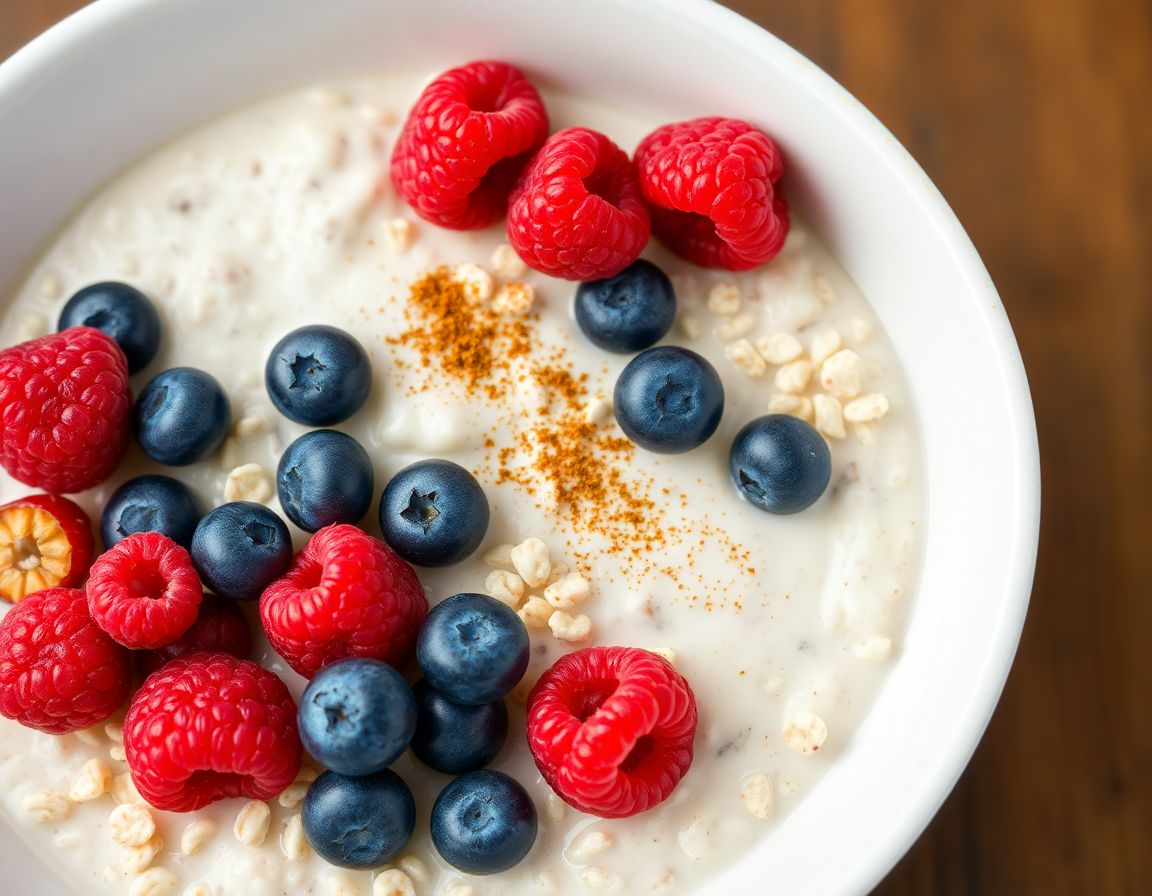
Best Low Glycemic Sweeteners for Muesli Breakfast Bowls
Compare the best low glycemic sweeteners for muesli, from apple and berries to monk fruit, stevia, cinnamon, sugar alcohols, and smarter breakfast portions.
Ingredients
Best Low Glycemic Sweeteners for Muesli Breakfast Bowls
Compare the best low glycemic sweeteners for muesli, from apple and berries to monk fruit, stevia, cinnamon, sugar alcohols, and smarter breakfast portions.
 Recipes
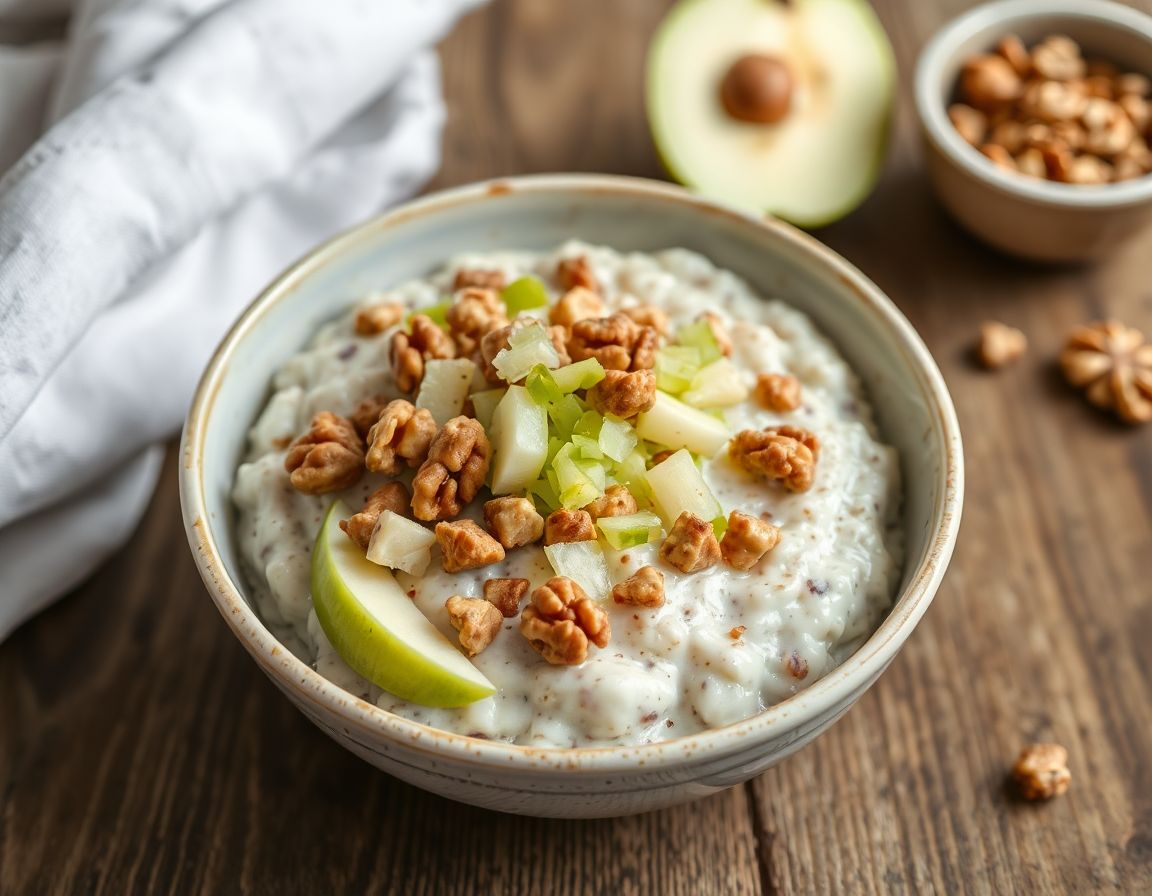
The Original 1900s Bircher Recipe (Diabetic Friendly)
Discover the original 1900s Bircher muesli recipe! This diabetic-friendly breakfast features oats, apples, nuts & cream for sustained energy & digestion.
Recipes
The Original 1900s Bircher Recipe (Diabetic Friendly)
Discover the original 1900s Bircher muesli recipe! This diabetic-friendly breakfast features oats, apples, nuts & cream for sustained energy & digestion.