Muesli vs Granola: Key Differences & Health Benefits Explained
Quick Summary
Muesli vs Granola: What's the difference? Discover the key ingredients, health benefits, and nutritional value of each. Choose the best breakfast for you!
Quick Answer
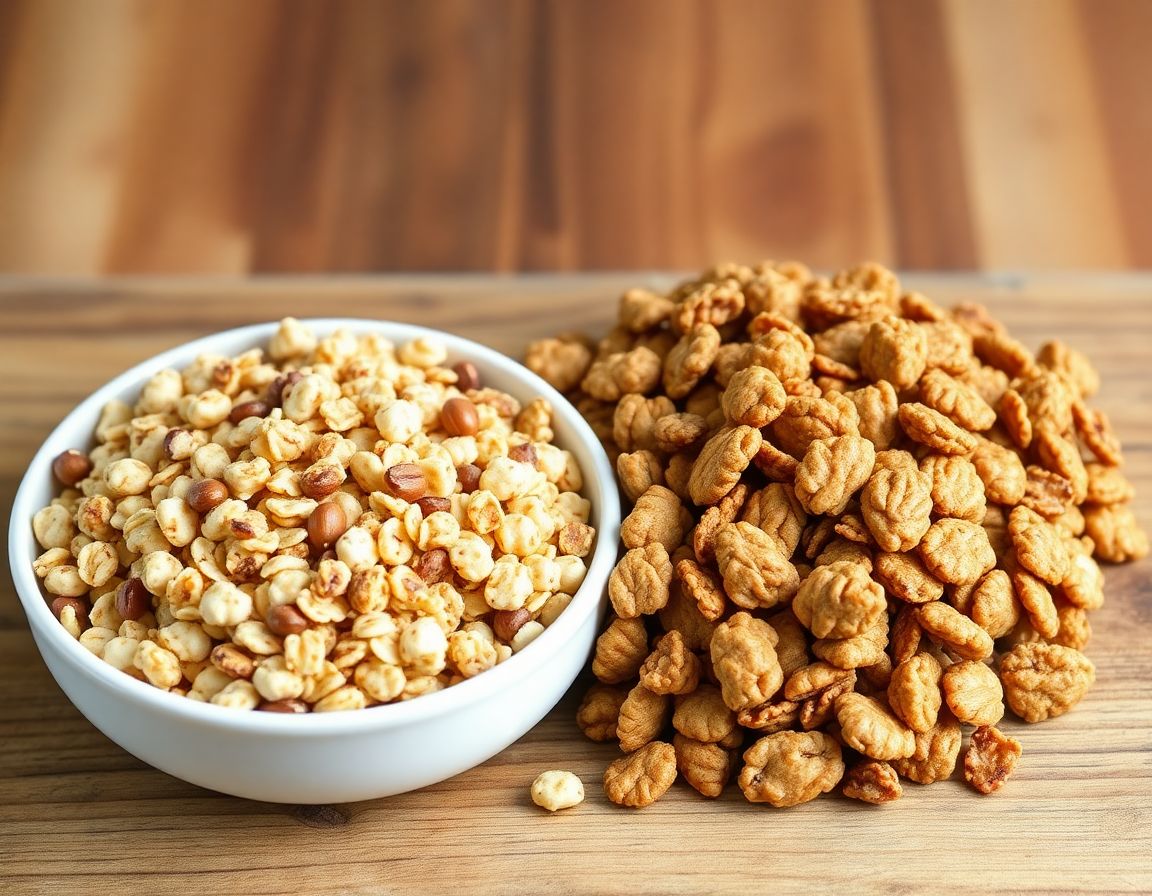
Muesli is a raw, unbaked mix of grains, nuts, seeds, and dried fruit, offering a healthier, less processed breakfast option. Granola, on the other hand, is baked with added sugars and fats, making it more akin to a dessert.
Affiliate Pick
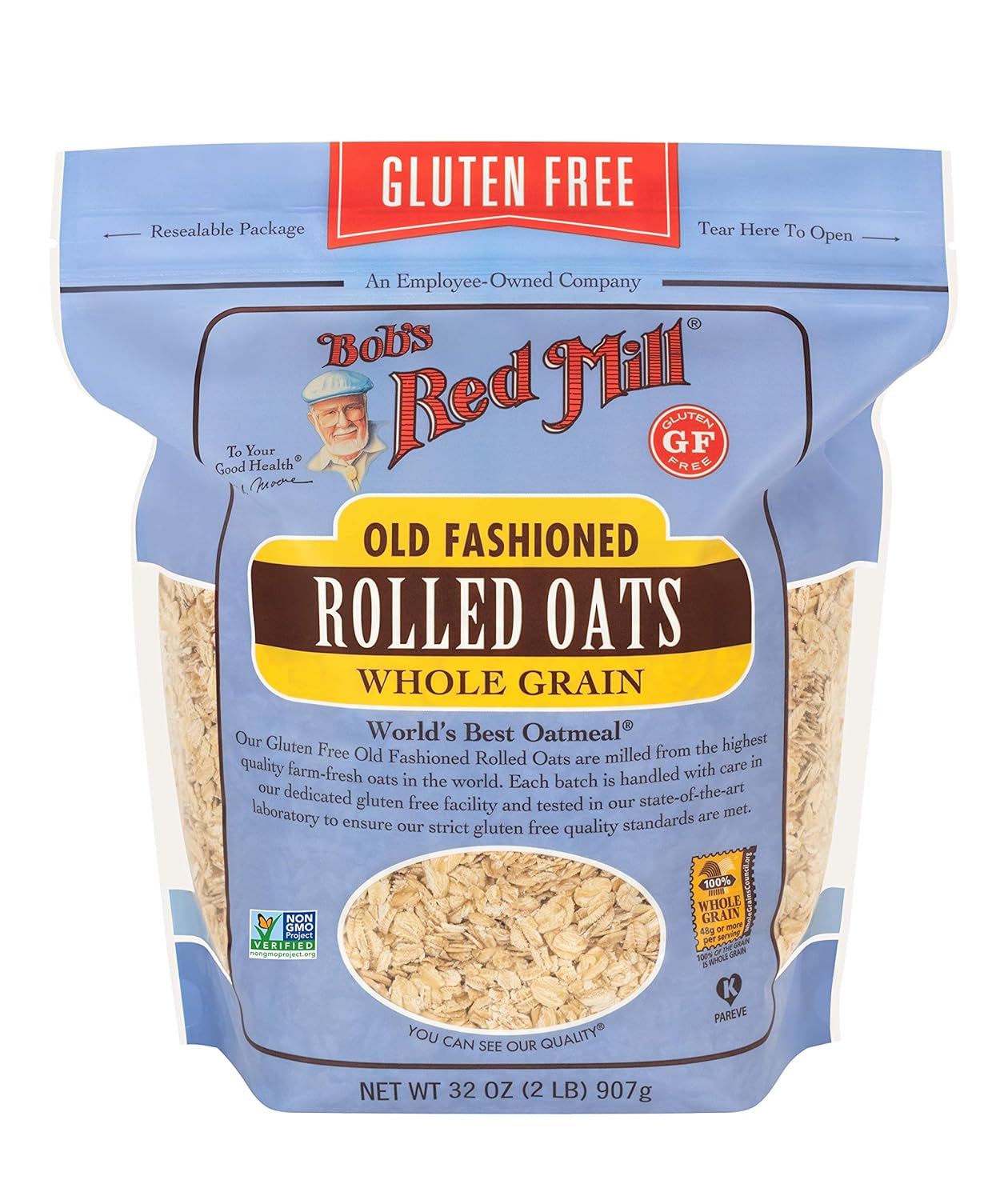
Bob's Red Mill Gluten Free Rolled Oats
Certified gluten-free thick rolled oats, perfect for maintaining texture in overnight muesli.
View on AmazonKey Takeaways
Muesli vs. Granola: What is the Actual Difference?
The cereal aisle presents a confusing array of "muesli" and "granola" options. While they may appear similar at first glance – both often containing rolled oats, nuts, seeds, and dried fruit – significant nutritional and historical differences set them apart. Understanding these distinctions empowers you to make informed choices for your metabolic health.
The Core Difference: Raw vs. Baked
The primary distinction between muesli and granola lies in their preparation methods.
- Muesli: The Raw Choice. Muesli is a raw cereal made from ingredients like Bob's Red Mill Gluten Free Rolled Oats, Organic Buckwheat Flakes, Organic Quinoa Flakes, Organic Thick Rolled Oats, nuts (Raw Chopped Walnuts, Raw Sliced Almonds), seeds (Organic Chia Seeds, Raw Organic Pumpkin Seeds), and dried fruit (Organic Unsweetened Raisins, Organic Medjool Dates). It contains no added binding agents like syrups or oils. Traditionally, muesli is soaked in liquid – such as Unsweetened Almond Milk, Unsweetened Oat Milk, or Organic Unsweetened Soy Milk – to soften the ingredients before consumption. An Olive Wood Mixing Spoon is perfect for stirring it all together!
- Granola: The Baked Treat. Granola involves tossing similar ingredients with sweeteners (honey, maple syrup, or cane sugar) and fats (coconut oil, canola oil, or butter) before baking until crisp and clustered. It's typically eaten dry or with a splash of milk, similar to traditional cold cereal.
The Sugar Trap of Granola
While granola originated as a health food in the late 19th century, many commercial varieties have evolved into something closer to crumbled cookies.
The appealing crunchy clusters in granola require substantial amounts of sugar and oil to bind the oats. A standard half-cup serving of commercial granola can easily contain 12 to 15 grams of added sugar, leading to rapid digestion of baked starches and a subsequent spike in blood glucose.
The Metabolic Advantage of Muesli
Muesli, created by Swiss physician Dr. Maximilian Bircher-Benner, was initially conceived as a therapeutic food for hospital patients. You can even try making the original Bircher recipe at home.
Muesli's raw, unsweetened nature offers several metabolic benefits:
- Zero Added Sugar: Muesli allows you to control the sweetness. By incorporating fresh fruit like Fresh Organic Apples or berries, you consume natural sugars bound in fiber, which are digested slowly.
- Resistant Starch: Raw oats contain higher levels of resistant starch compared to baked oats. This functions as a prebiotic, nourishing beneficial gut bacteria and enhancing insulin sensitivity.
- No Refined Oils: Granola relies on oil for crispness during baking. Muesli depends solely on the healthy, whole-food fats naturally present in nuts and seeds.
Which Should You Choose?
For sustained energy, improved gut health, and effective blood sugar management, muesli is the superior choice.
Granola can be an enjoyable occasional treat, especially when homemade with minimal sweetener. However, it's best regarded as a dessert or topping rather than a daily breakfast staple.
Checklist
Transitioning from granola to muesli may require a few days for your taste buds to adapt to the absence of refined sugar. However, once you experience the consistent, crash-free energy derived from a bowl of properly soaked overnight muesli prepared in Weck Tulip Jars, you'll likely reconsider your cereal aisle choices.
Read Next
 Guide
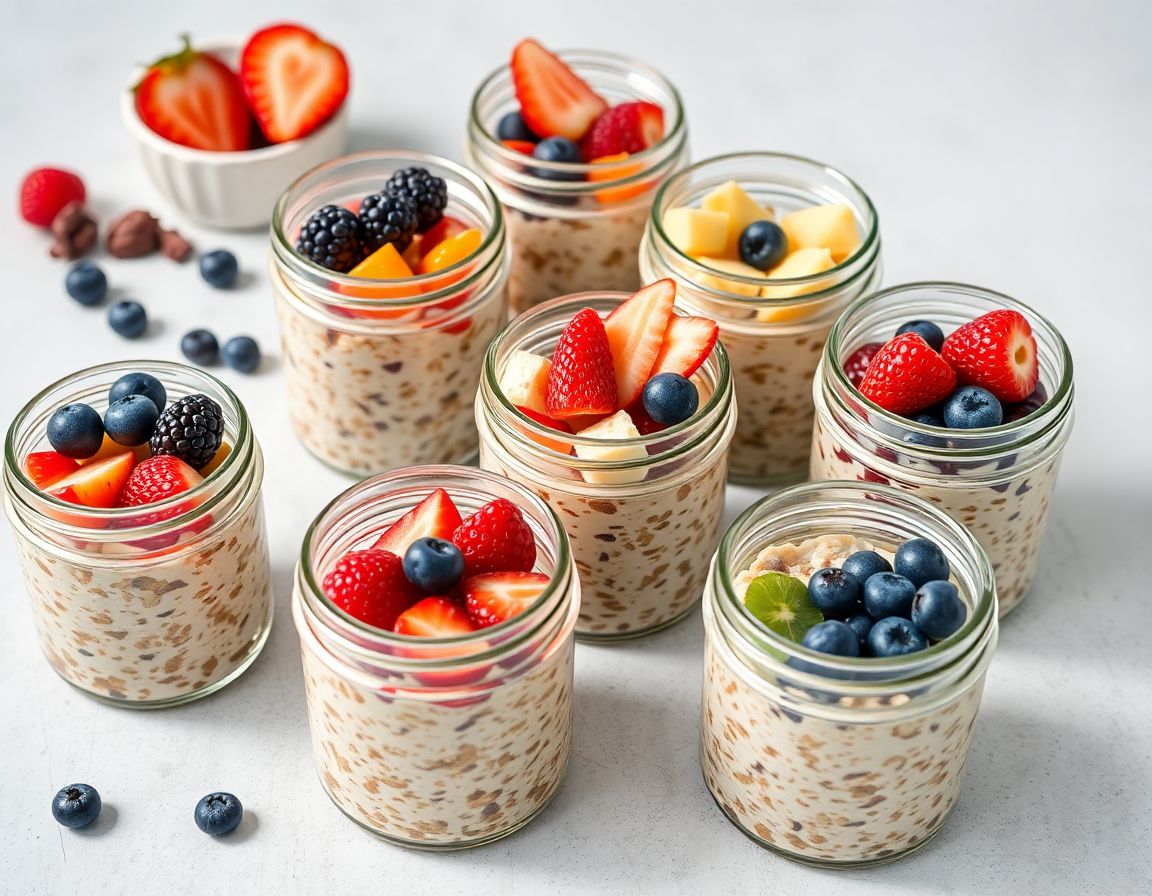
7-Day Muesli Reset for Weight Loss and Gut Health Plan
Try a 7-day muesli reset for weight loss, better digestion, and steady breakfast energy using soaked oats, fruit, seeds, and protein-rich milk each day.
Guide
7-Day Muesli Reset for Weight Loss and Gut Health Plan
Try a 7-day muesli reset for weight loss, better digestion, and steady breakfast energy using soaked oats, fruit, seeds, and protein-rich milk each day.
 Ingredients
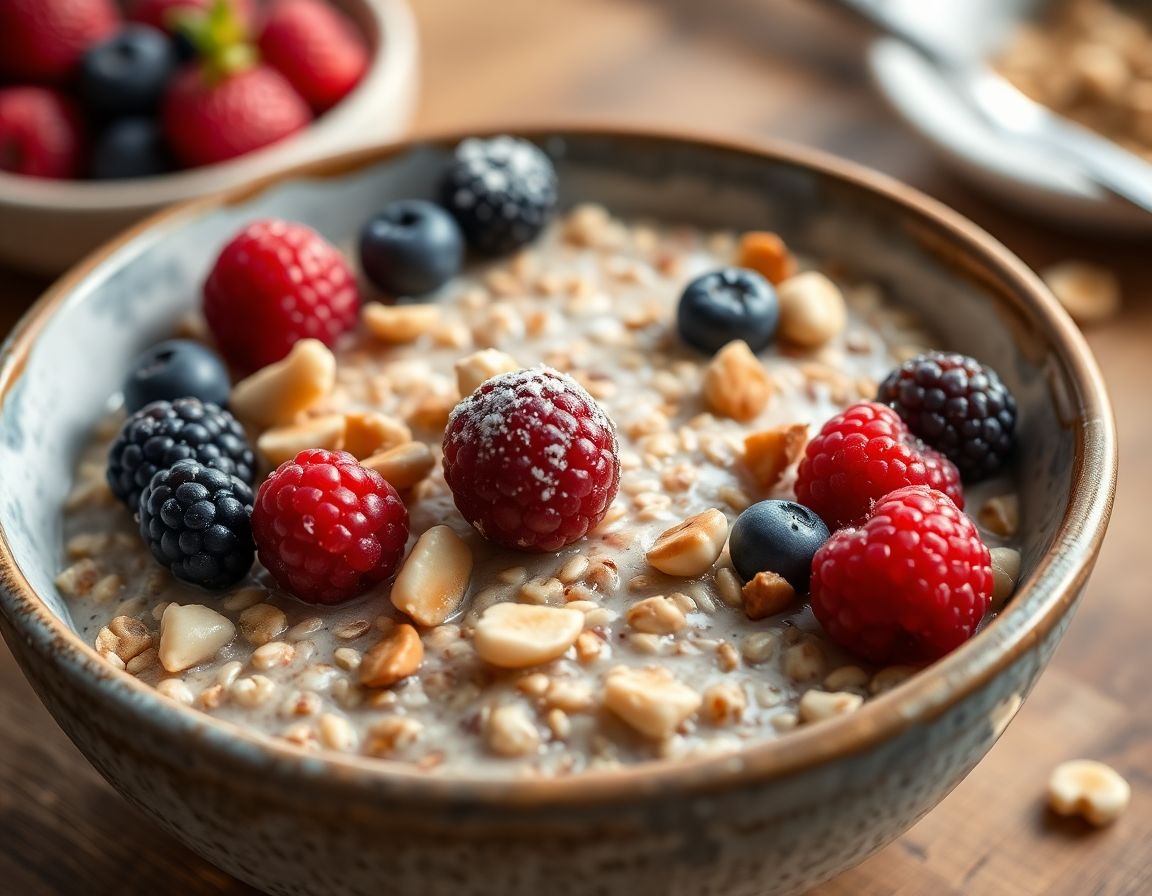
The Best Oats for Overnight Muesli: A Complete Guide
Discover the best oats for overnight muesli! Learn why thick-rolled oats are ideal for texture and nutrition in this complete guide.
Ingredients
The Best Oats for Overnight Muesli: A Complete Guide
Discover the best oats for overnight muesli! Learn why thick-rolled oats are ideal for texture and nutrition in this complete guide.
 Ingredients
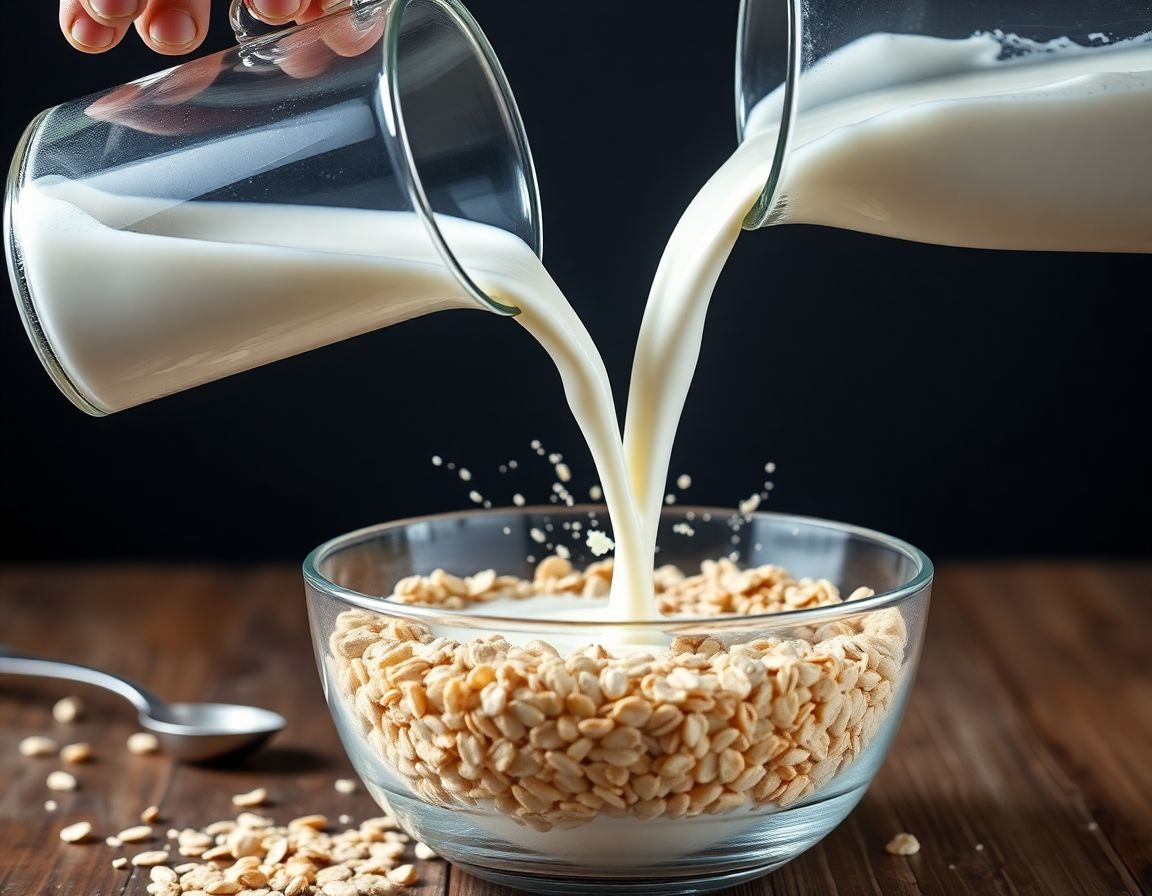
Which Plant Milk is Best for Overnight Oats and Muesli?
Discover the best plant milk for overnight oats and muesli! Explore options like oat milk for a creamy, delicious breakfast that boosts flavor and nutrition.
Ingredients
Which Plant Milk is Best for Overnight Oats and Muesli?
Discover the best plant milk for overnight oats and muesli! Explore options like oat milk for a creamy, delicious breakfast that boosts flavor and nutrition.