Muesli and Insulin Resistance: What You Need to Know
Published March 27, 2026 · By Muesli.org Editorial Team

Quick Summary
Is muesli good for insulin resistance? Learn the benefits and pitfalls of muesli for blood sugar control. Discover how to choose the right ingredients and enjoy muesli as part of a healthy diet. #muesli and insulin resistance
Muesli and Insulin Resistance: A Guide
If you're exploring dietary strategies to manage or prevent insulin resistance, muesli might be on your radar. While not a magic bullet, a thoughtfully prepared muesli can be a valuable tool. This guide cuts through the confusion, highlighting the beneficial components of muesli and potential pitfalls to avoid, offering practical tips for blood sugar management.
The Short Answer
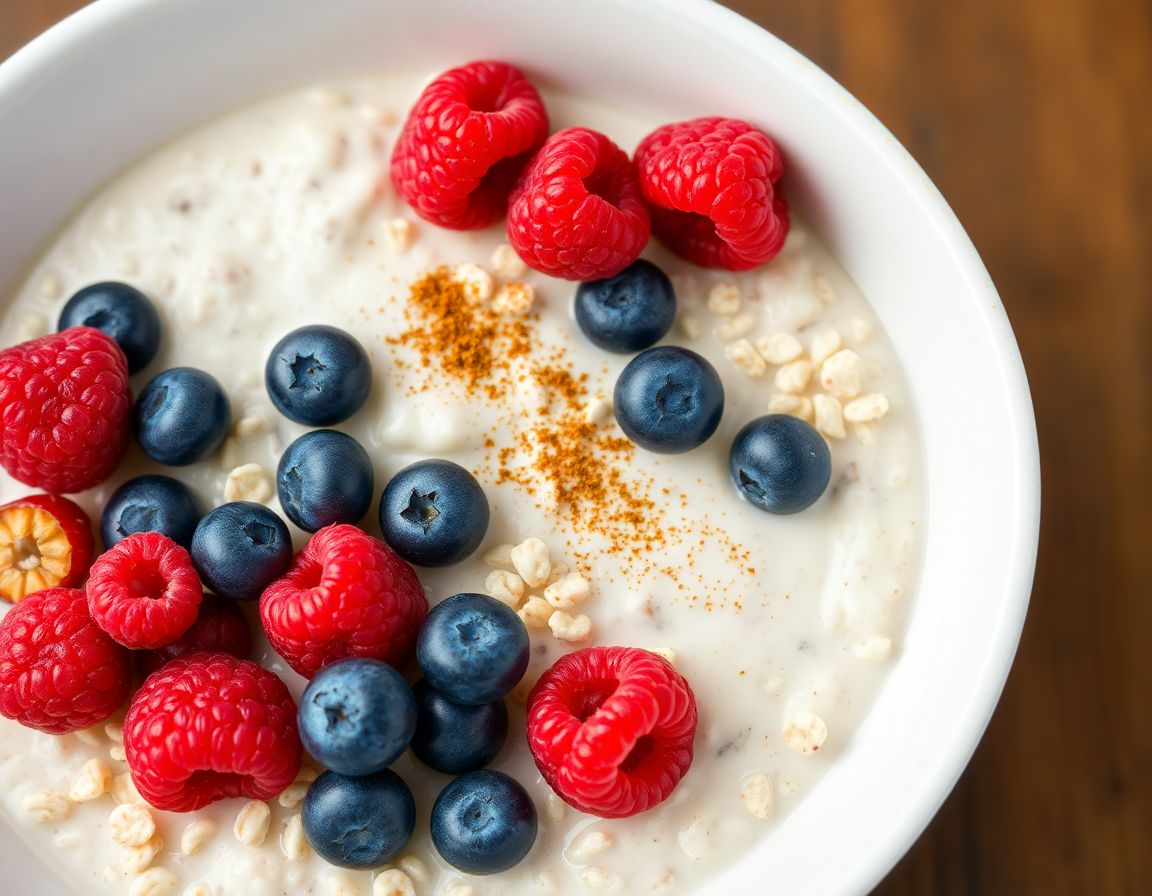
Muesli, when crafted with whole grains, nuts, seeds, and low-glycemic fruits – and crucially, without added sugars – can be a beneficial component of a diet designed to combat insulin resistance.
Affiliate Pick
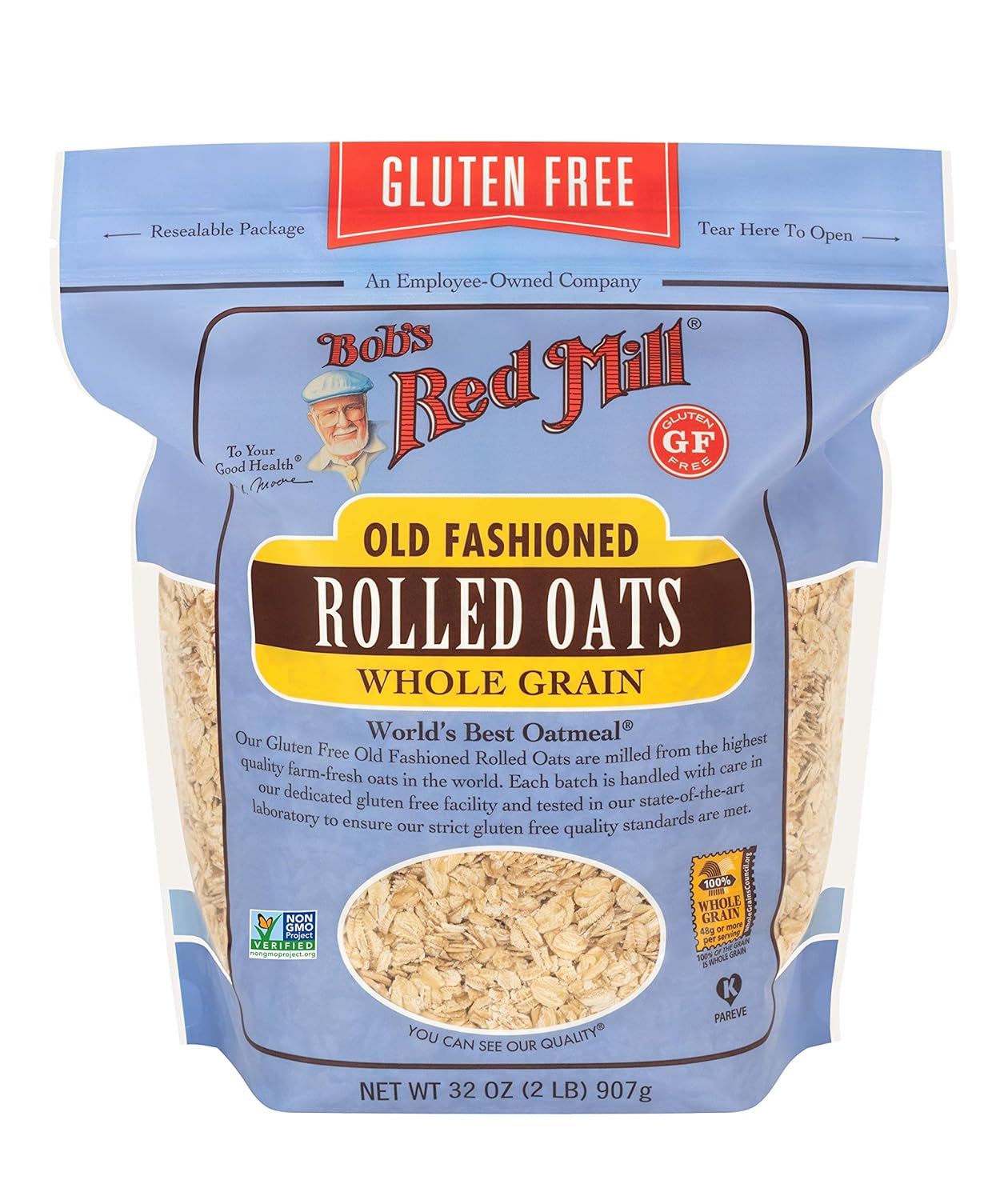
Bob's Red Mill Gluten Free Rolled Oats
Certified gluten-free thick rolled oats, perfect for maintaining texture in overnight muesli.
View on AmazonKey Takeaways
Understanding Insulin Resistance
Insulin resistance occurs when your cells (muscle, fat, and liver) become less responsive to insulin's signal to absorb glucose from the bloodstream. The pancreas compensates by producing more insulin, but eventually, it can't keep up, leading to elevated blood sugar levels and potentially prediabetes or type 2 diabetes.
Factors contributing to insulin resistance include:
- Excess Weight: Particularly abdominal fat.
- Sedentary Lifestyle: Lack of physical activity reduces insulin sensitivity.
- Poor Diet: High intake of processed foods, sugary drinks, and saturated fats.
- Genetic Predisposition: Family history increases risk.
- Underlying Conditions: Polycystic ovary syndrome (PCOS) and non-alcoholic fatty liver disease (NAFLD) are linked to insulin resistance.
How Muesli Impacts Insulin Resistance
The effect of muesli on insulin resistance hinges on its ingredients and preparation. Let's break it down:
- Oats: A good source of soluble fiber, especially beta-glucan. Soluble fiber slows glucose absorption, preventing rapid blood sugar spikes and improving insulin sensitivity over time. Opt for whole grain rolled oats like Bob's Red Mill Gluten Free Rolled Oats for the most benefit.
- Nuts and Seeds: Rich in healthy fats, protein, and fiber, promoting satiety and blood sugar stability. They also provide essential vitamins and minerals.
- Fruits: Offer natural sweetness, vitamins, and minerals. Choose low-glycemic options like berries (strawberries, blueberries, raspberries), apples, and pears to minimize blood sugar fluctuations. Dried fruits are more concentrated in sugar and should be used sparingly.
- Added Sugars: This is the biggest potential problem. Many commercial muesli blends contain added sugars (honey, syrups, refined sugars) that completely undermine the benefits of the whole grains, nuts, and seeds. These sugars cause rapid blood sugar spikes and exacerbate insulin resistance. Always check the ingredient list and select muesli with no added sugars.
Crafting Insulin-Friendly Muesli: A Step-by-Step Guide
Here's how to make muesli a beneficial part of your insulin resistance management strategy:
- Start with Whole Grains: Rolled oats should be your primary ingredient. Avoid instant or highly processed oats that digest quickly and cause blood sugar spikes.
- Fiber Power-Up: Boost the fiber content by adding chia seeds, flax seeds, or psyllium husk. Fiber slows glucose absorption and promotes feelings of fullness.
- Low-Glycemic Fruit Selection: Berries are an excellent choice. Apples and pears are also good options. Limit dried fruits due to their concentrated sugar content.
- Healthy Fats are Key: Incorporate nuts and seeds like almonds, walnuts, pumpkin seeds, and sunflower seeds. These provide healthy fats, protein, and fiber for sustained blood sugar control.
- Zero Added Sugar: This is non-negotiable. Scrutinize labels carefully. If you need a touch of sweetness, consider a low-glycemic sweetener. See Low Glycemic Sweeteners: Best Sugar Alternatives & Brands for suitable options.
- Portion Control is Essential: Even healthy foods can contribute to weight gain if overeaten. Be mindful of your portion sizes. A typical serving is around 1/2 cup.
- Embrace Overnight Soaking: Soaking muesli overnight in milk or yogurt can improve digestibility and reduce phytic acid, potentially enhancing nutrient absorption.
Sample Muesli Recipe for Insulin Sensitivity
- 1/2 cup rolled oats
- 1/4 cup mixed nuts (almonds, walnuts, pecans)
- 2 tablespoons seeds (chia seeds, flax seeds)
- 1/2 cup berries (fresh or frozen)
- 1/4 cup unsweetened almond milk (or other milk alternative)
- Optional: A sprinkle of cinnamon or a few drops of stevia
Combine ingredients in a jar or container, mix well, and refrigerate overnight.
The Gut Health Connection
A healthy gut microbiome is crucial for overall metabolic health, including insulin sensitivity. The gut microbiome influences glucose metabolism and inflammation, both key factors in insulin resistance.
Muesli's high fiber content acts as a prebiotic, nourishing beneficial gut bacteria. A diverse and healthy gut microbiome can contribute to improved insulin sensitivity.
Potential Pitfalls to Watch Out For
Be aware of these potential issues:
- Hidden Sugars: Be vigilant about hidden sugars in commercial blends, including dried fruits, syrups, and other sweeteners.
- Excessive Portions: Even healthy foods can contribute to weight gain if consumed in large quantities.
- Inadequate Protein: Muesli alone may not provide sufficient protein. Consider adding protein powder or pairing it with Greek yogurt or eggs.
- Phytic Acid Concerns: Oats contain phytic acid, which can inhibit mineral absorption. Soaking oats overnight can help mitigate this effect.
Is Muesli the Right Choice for You?
The suitability of muesli for managing insulin resistance depends on your individual circumstances, including your overall diet, activity level, and medical history.
Science Note
If you have diabetes or insulin resistance, it's essential to consult with a healthcare professional or a registered dietitian. They can provide personalized dietary advice tailored to your specific needs and health status.
Read Next