Raw Oats vs Cooked: Digestion, Benefits & Which is Best?
Quick Summary
Raw oats vs cooked digestion: Which is better? Explore how cooking or soaking oats impacts phytic acid and carbohydrate breakdown for easier digestion.
Raw Oats vs Cooked: Which is Easier to Digest?
The question of raw oats vs cooked digestion is a common one, especially among muesli enthusiasts. While both forms offer nutritional value, the preparation method significantly impacts how easily your body can process them. The key difference lies in how each method affects phytic acid and the breakdown of complex carbohydrates.
The short answer
For most people, soaking raw oats overnight is the most effective way to improve digestion. Soaking reduces phytic acid and neutralizes enzyme inhibitors. Cooking also aids digestion, but doesn't address phytic acid as effectively as soaking.

Affiliate Pick
Pro Quality Nut Milk Bag
Essential for straining homemade almond or oat milk for a silky smooth texture.
View on AmazonKey Takeaways
The Nutritional Powerhouse of Oats
Oats are more than just a breakfast staple; they're packed with nutrients crucial for overall health. Here's a quick rundown:
- Fiber: Rich in both soluble and insoluble fiber, promoting gut health and regularity.
- Vitamins & Minerals: A good source of manganese, phosphorus, magnesium, iron, and zinc.
- Antioxidants: Avenanthramides, unique to oats, provide anti-inflammatory benefits.
- Complex Carbohydrates: Offer a sustained energy release, preventing energy crashes.
Raw Oats: Convenience vs. Digestibility
Raw oats offer unparalleled convenience, making them ideal for quick breakfasts like overnight oats and muesli. However, their raw state presents some digestive considerations.
- Phytic Acid: Oats naturally contain phytic acid, an antinutrient that can bind to minerals like iron, zinc, and calcium, potentially reducing their absorption. This is a core consideration in the raw oats vs cooked digestion debate. To delve deeper, read our article: Phytic Acid: Why Soaking Your Oats Changes Everything.
- Enzyme Inhibitors: Raw oats also contain enzymes that can interfere with your body's digestive enzymes, potentially leading to discomfort.
- Texture: Some individuals find the texture of raw oats challenging to digest.
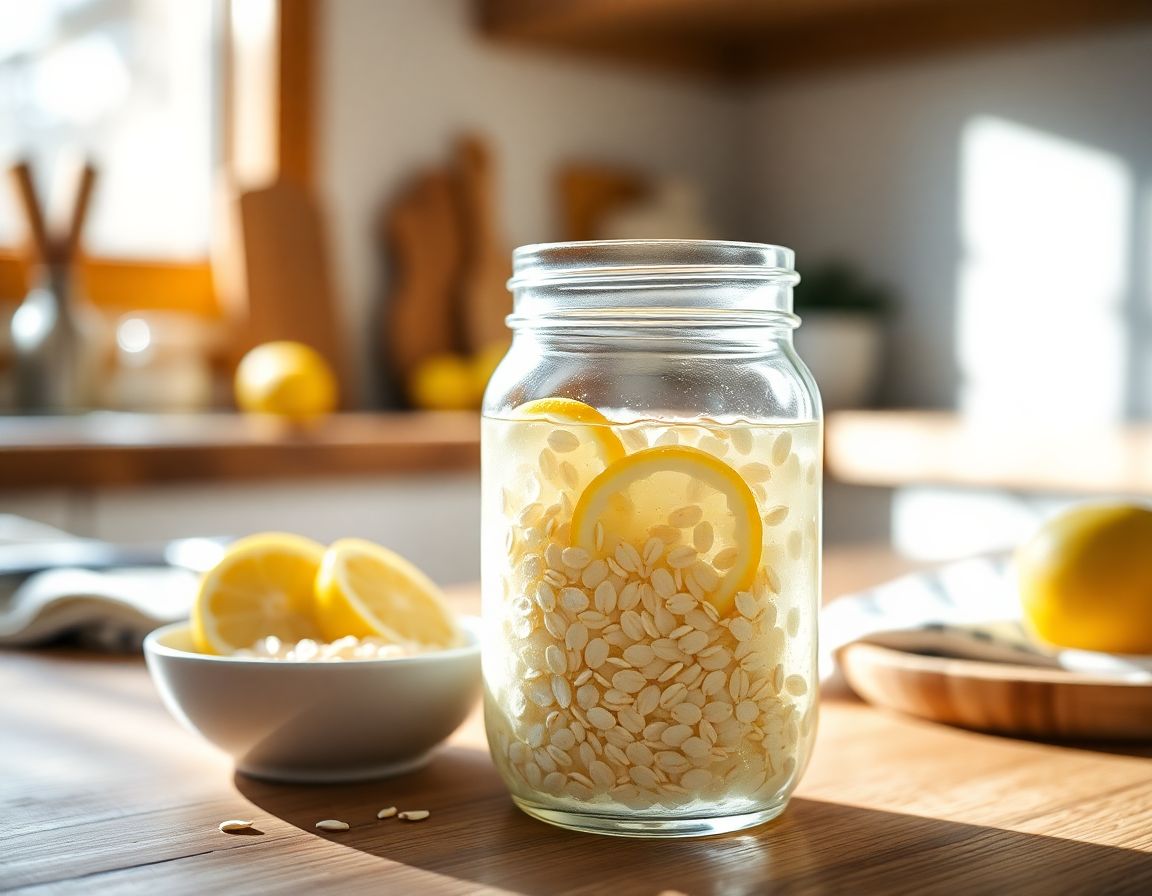
The solution? Soaking. Soaking oats overnight significantly reduces phytic acid levels and neutralizes enzyme inhibitors. You can even use a Pro Quality Nut Milk Bag to rinse the oats thoroughly after soaking, removing even more phytic acid. Consider adding Organic Buckwheat Flakes or Organic Quinoa Flakes for added nutrients and varied texture.
Cooked Oats: Enhanced Digestibility Through Heat
Cooking oats introduces heat, which breaks down complex carbohydrates and starches, making them easier to digest. While cooking does reduce phytic acid, it's generally less effective than soaking.
- Easier Breakdown: The cooking process partially "pre-digests" starches, lightening the load on your digestive system.
- Reduced Phytic Acid: Heat contributes to phytic acid reduction, but soaking is the more potent method.
- Softer Texture: Cooking yields a softer, more palatable texture for many people.
To preserve heat-sensitive vitamins, opt for a gentle simmer rather than aggressive boiling.
Muesli, Overnight Oats, and Bircher Muesli: Mastering Raw Oat Digestion
Since muesli, overnight oats, and Bircher muesli traditionally feature raw oats, optimizing their digestibility is paramount.
- Overnight Oats: Soaking is non-negotiable. It's the key to unlocking the nutritional benefits without digestive distress. A splash of lemon juice or apple cider vinegar can further enhance phytic acid reduction.
- Bircher Muesli: This classic Swiss breakfast traditionally incorporates grated Fresh Organic Apples and yogurt or milk. The acidity of these ingredients aids in phytic acid breakdown.
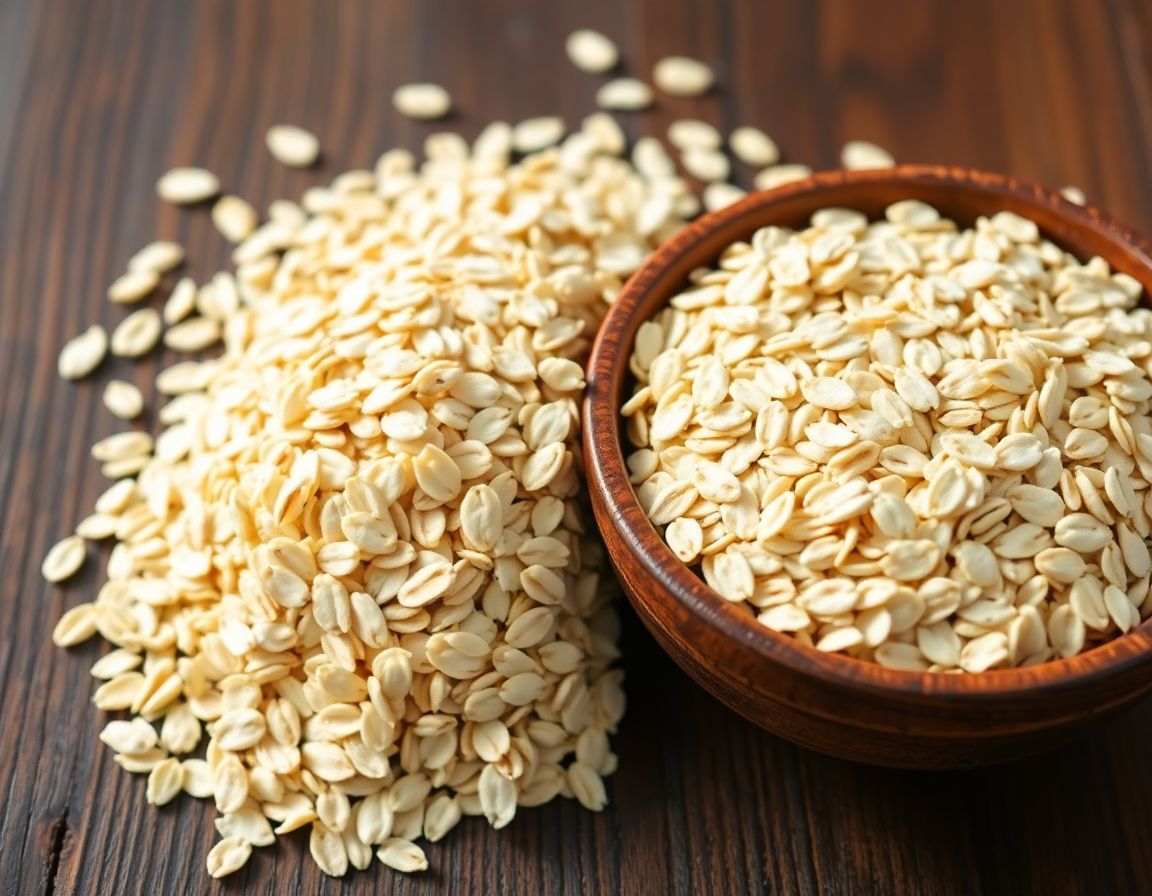
- Muesli: Even if your muesli recipe simply involves combining raw oats with other ingredients, pre-soaking the oats will significantly improve digestibility. A simple mix of Organic Thick Rolled Oats, Raw Sliced Almonds, and Raw Organic Pumpkin Seeds becomes far more digestible with a pre-soak.
Tips for Enhancing Oat Digestion: A Checklist
Checklist
Individual Tolerance: Listen to Your Body
Ultimately, the best way to determine whether raw or cooked oats are easier for you to digest is to pay attention to your body's signals. Experiment with different preparation methods and portion sizes.
Recipe Ideas for Digestible Oats
Soaked Overnight Oats with Dates and Walnuts:
- 1/2 cup rolled oats (soaked overnight in water or Unsweetened Oat Milk)
- 2 Organic Medjool Dates, pitted and chopped
- 1/4 cup Raw Chopped Walnuts
- 1 tablespoon Organic Chia Seeds
Warm Cooked Oats with Apple and Cinnamon:
- 1/2 cup rolled oats
- 1 cup water or Organic Unsweetened Soy Milk
- 1/2 Fresh Organic Apples, grated
- 1/4 teaspoon cinnamon
- 1 tablespoon Organic Unsweetened Raisins
Use an Olive Wood Mixing Spoon for a touch of rustic charm while preparing your oats. Consider storing your overnight oats in individual Weck Tulip Jars for easy grab-and-go breakfasts. If you prefer a smoother texture, blend cooked oats with a Vitamix 5200 Professional-Grade Blender after cooking.
Conclusion
Understanding the nutritional composition of oats and how preparation methods impact their digestibility empowers you to enjoy their benefits without digestive discomfort. Soaking significantly enhances the digestibility of raw oats, while cooking offers an alternative. Experiment and listen to your body to discover what works best for you.
Read Next