Gluten-Free Muesli: The Ultimate Guide & Best Brands
Published March 27, 2026 · By Muesli.org Editorial Team
Quick Summary
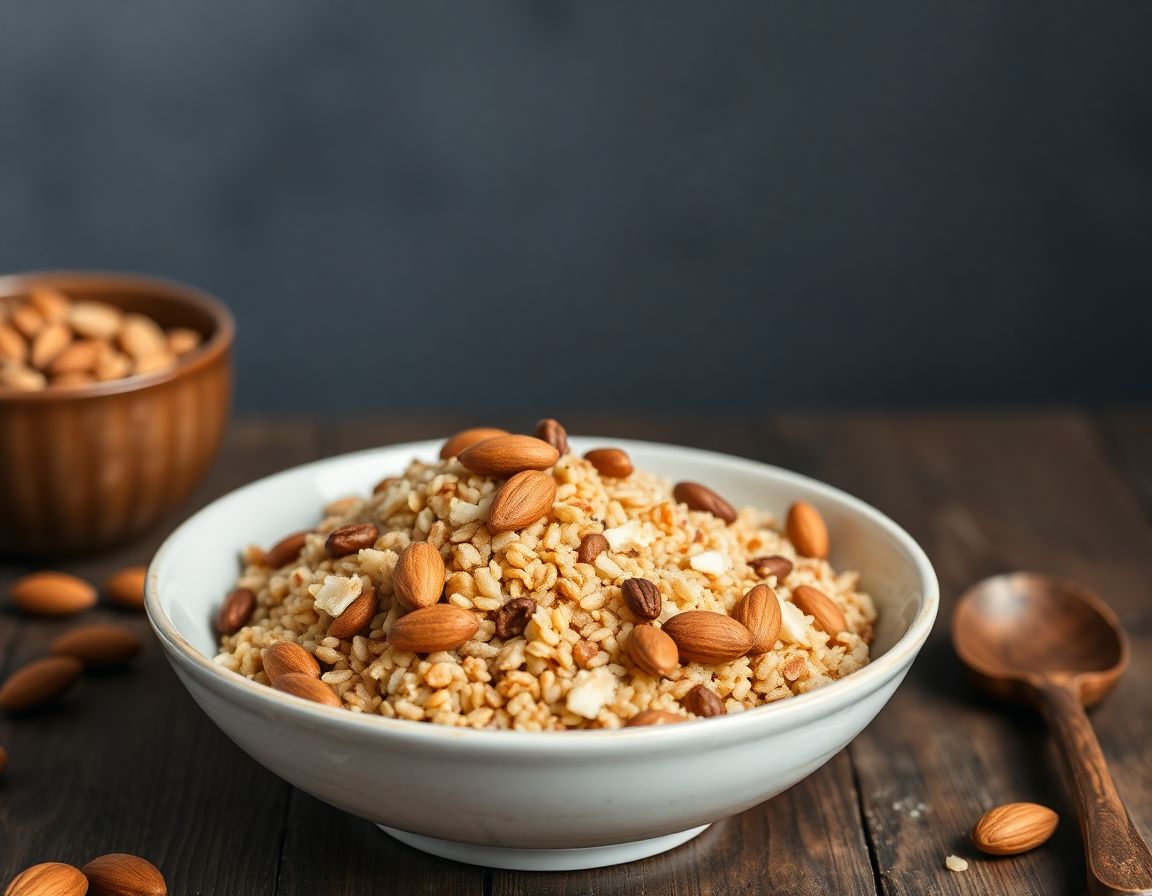
Discover the best gluten-free muesli brands & how to choose the perfect one! This guide covers ingredients, hidden gluten sources, & delicious options.
The Ultimate Guide to Gluten-Free Muesli
For individuals with Celiac disease or non-celiac gluten sensitivity, the breakfast aisle can be a minefield. Muesli, with its heavy reliance on oats, is often a source of confusion.
Are oats gluten-free? Can you eat muesli if you are avoiding gluten? The answer is yes, but it requires strict attention to sourcing and ingredients.
The Truth About Oats and Gluten
Botanically speaking, pure oats are naturally gluten-free. They do not contain the gluten protein found in wheat, barley, and rye.
However, standard commercial oats are almost always contaminated with gluten. This happens for two reasons:
- Crop Rotation: Oats are frequently grown in the same fields as wheat or barley.
- Shared Facilities: Oats are usually processed, transported, and milled using the exact same equipment as gluten-containing grains.
For someone with Celiac disease, even a microscopic trace of wheat dust on an oat flake is enough to trigger a severe autoimmune response.
Rule #1: Look for "Certified Gluten-Free"
If you are building a gluten-free muesli, you cannot use standard rolled oats from the bulk bin. You must purchase oats that are explicitly labeled Certified Gluten-Free.
These oats are grown in dedicated fields, transported in dedicated trucks, and processed in dedicated facilities. They undergo rigorous testing to ensure they contain less than 20 parts per million (ppm) of gluten. Brands like Bob's Red Mill and GF Harvest are reliable sources for certified oats.
Affiliate Pick
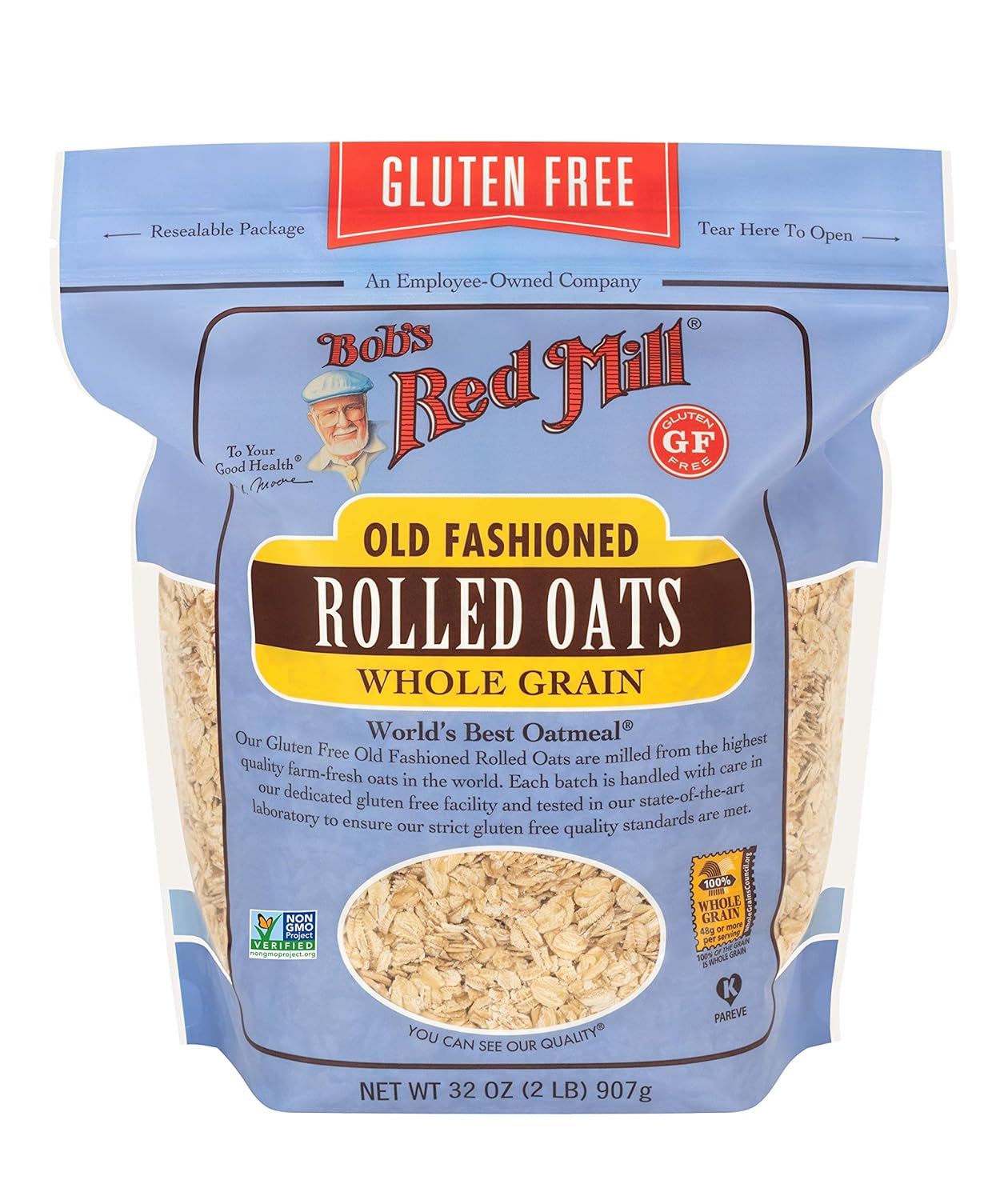
Bob's Red Mill Gluten Free Rolled Oats
Certified gluten-free thick rolled oats, perfect for maintaining texture in overnight muesli.
View on AmazonBeyond Oats: Alternative Flakes
If you want to avoid oats entirely (some people with Celiac disease also react to avenin, a protein in oats that is structurally similar to gluten), you can still build a phenomenal muesli using alternative rolled grains:
- Quinoa Flakes: High in complete protein and very quick to soften when soaked. They have a slightly earthy, nutty flavor.
- Buckwheat Flakes: Despite the name, buckwheat flakes come from a gluten-free seed, not wheat. They have a robust, toasted flavor and hold up incredibly well in overnight soaks.
- Amaranth Flakes: A tiny, ancient grain that adds a delicate crunch and a massive dose of micronutrients.
- Rice Flakes (Poha): Very mild in flavor and highly digestible, making them a great base if you have a sensitive stomach.
Affiliate Pick
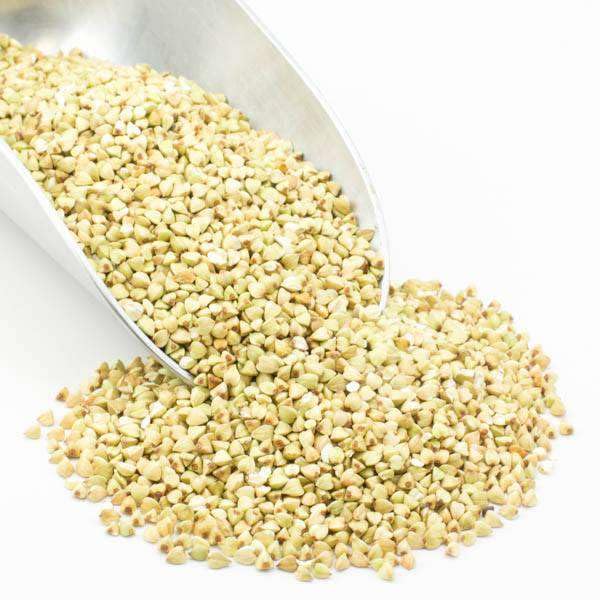
Organic Buckwheat Flakes
A robust, nutty, naturally gluten-free alternative to traditional oats.
View on AmazonHidden Gluten in Muesli Mixes
If you are buying a pre-made gluten-free muesli mix, read the ingredient list like a hawk. Even if the oats are certified, gluten can hide in other ingredients:
- Barley Malt Extract: Often used as a sweetener in dried fruits or cereal flakes. Barley contains gluten.
- Dusting Flours: Some cheap dried fruits (like dates or figs) are dusted with oat or wheat flour to prevent them from sticking together in the bag.
- Cross-Contaminated Nuts: Buy certified gluten-free nuts, as bulk-bin nuts are a high risk for cross-contamination.
A Simple Gluten-Free Base Recipe
To make your own safe, oat-free muesli base, mix:
- 2 cups Quinoa Flakes
- 1 cup Buckwheat Flakes
- 1/2 cup sliced Almonds
- 1/4 cup Chia Seeds
- 1/4 cup Pumpkin Seeds (Pepitas)
Store this in an airtight jar. When you're ready to eat, soak 1/2 cup of the mix with 3/4 cup of your favorite plant milk overnight. You'll get all the gut-health benefits of traditional Swiss muesli, with zero gluten anxiety.
Read Next
 Ingredients
The Best Oats for Overnight Muesli: A Complete Guide
Discover the best oats for overnight muesli! Learn why thick-rolled oats are ideal for texture and nutrition in this complete guide.
Ingredients
The Best Oats for Overnight Muesli: A Complete Guide
Discover the best oats for overnight muesli! Learn why thick-rolled oats are ideal for texture and nutrition in this complete guide.
 Ingredients
Which Plant Milk is Best for Overnight Oats and Muesli?
Discover the best plant milk for overnight oats and muesli! Explore options like oat milk for a creamy, delicious breakfast that boosts flavor and nutrition.
Ingredients
Which Plant Milk is Best for Overnight Oats and Muesli?
Discover the best plant milk for overnight oats and muesli! Explore options like oat milk for a creamy, delicious breakfast that boosts flavor and nutrition.
 Science
Phytic Acid: Why Soaking Your Oats Changes Everything
Discover how soaking oats overnight enhances nutrient absorption by neutralizing phytic acid, improving digestion, and creating a better texture.
Science
Phytic Acid: Why Soaking Your Oats Changes Everything
Discover how soaking oats overnight enhances nutrient absorption by neutralizing phytic acid, improving digestion, and creating a better texture.