Bircher Muesli for Gut Health: Recipes & Probiotic Benefits
Quick Summary
Discover the benefits of bircher muesli for gut health! Learn how this delicious breakfast, packed with fiber & probiotics, can improve your digestion.
Bircher Muesli for Gut Health: Your Guide to a Happy Microbiome
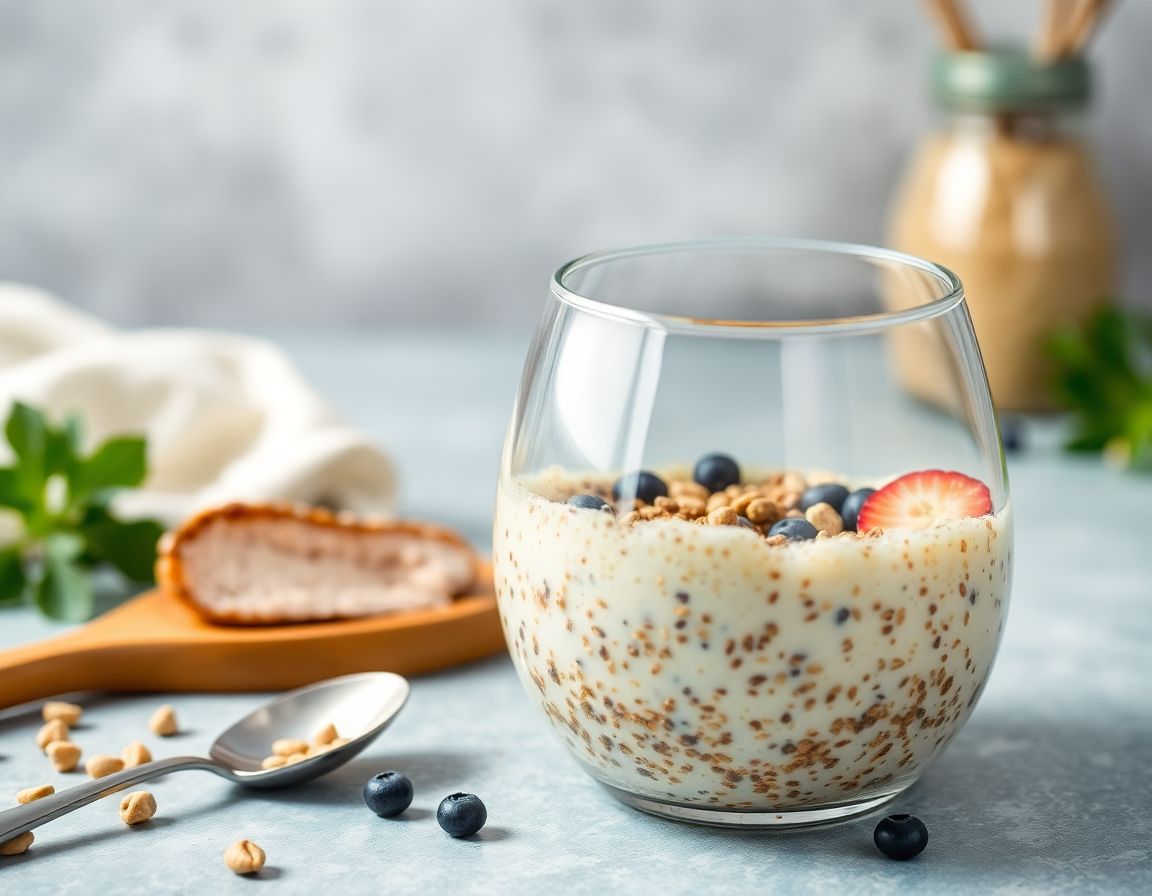
Want to improve your gut health with a simple and delicious breakfast? Bircher muesli for gut health is an excellent choice. This traditional Swiss dish, similar to overnight oats, is packed with ingredients that can nourish your digestive system and promote a balanced gut microbiome.
Quick Answer
Bircher muesli supports gut health through its high fiber content, prebiotic properties from oats, and the potential addition of probiotics. Soaking the ingredients also improves digestibility and nutrient absorption.

Affiliate Pick
Fresh Organic Apples
Grate it fresh in the morning.
View on AmazonKey Takeaways
What is Bircher Muesli?
Developed in the early 1900s by Swiss physician Maximilian Bircher-Benner, bircher muesli was designed as a nutritious meal emphasizing raw, whole foods. The original recipe featured rolled oats, grated Fresh Organic Apples, nuts, lemon juice, and sweetened condensed milk. Modern variations offer greater flexibility, incorporating a wider range of fruits, seeds, nuts, and plant-based milk or yogurt alternatives. A key element is the overnight soaking process, which softens the oats, making them easier to digest and increasing the bioavailability of nutrients.
How Bircher Muesli Supports Gut Health
Bircher muesli's gut-boosting benefits stem from its specific ingredients and preparation methods:
- Oats as a Prebiotic Powerhouse: Oats are a significant source of prebiotic fiber, particularly beta-glucan. Prebiotics nourish the beneficial bacteria in your gut, contributing to a balanced and thriving microbiome. Consider using Bob's Red Mill Gluten Free Rolled Oats if you're avoiding gluten.
- Fiber Diversity from Fruits and Nuts: The inclusion of fruits and nuts provides a combination of both soluble and insoluble fiber. Fiber adds bulk to the stool, promoting regular bowel movements and preventing constipation. It also plays a role in regulating blood sugar levels.
- Resistant Starch Enhancement: Soaking oats increases the amount of resistant starch. As discussed in detail in Resistant Starch: Boost Gut Health & Microbiome Naturally, resistant starch bypasses digestion in the small intestine and undergoes fermentation in the large intestine. This fermentation process generates beneficial short-chain fatty acids (SCFAs) like butyrate, which nourish colon cells and help reduce inflammation in the gut.
- Probiotic Boost (Optional): While not part of the original recipe, adding yogurt or kefir introduces live and active cultures (probiotics) that can help rebalance your gut microbiome. Opt for plain, unsweetened varieties to avoid unnecessary added sugars.
- Improved Digestion Through Soaking: Soaking helps break down phytic acid present in oats. Phytic acid can inhibit the absorption of certain minerals, so reducing it through soaking can improve nutrient uptake.
Crafting Your Gut-Friendly Bircher Muesli: A Checklist
Checklist
Simple Bircher Muesli Recipe
Ingredients:
- 1/2 cup rolled oats
- 1 cup unsweetened almond milk
- 1/2 Fresh Organic Apples, grated
- 1/4 cup mixed berries
- 2 tablespoons Raw Chopped Walnuts
- 1 tablespoon Organic Chia Seeds
- 1/4 teaspoon cinnamon
Instructions:
- Combine all ingredients in a Weck Tulip Jars or another suitable container.
- Stir well to ensure even distribution.
- Cover the container and refrigerate overnight (or for a minimum of 2 hours).
- Before serving, stir the muesli and add more milk if needed to achieve your desired consistency.
- Enjoy your gut-friendly breakfast!
Beyond Bircher Muesli: Holistic Gut Health Strategies
While incorporating bircher muesli into your diet is a positive step, consider these broader lifestyle factors for optimal gut health:
- Embrace Dietary Diversity: Consume a wide array of fruits, vegetables, whole grains, and fermented foods to nourish a diverse gut microbiome.
- Prioritize Hydration: Drink plenty of water throughout the day to support healthy digestion and bowel function.
- Manage Stress Effectively: Practice stress-reducing activities such as yoga, meditation, or spending time in nature.
- Ensure Adequate Sleep: Aim for 7-8 hours of quality sleep each night to support overall health, including gut health.
Read Next
 Science
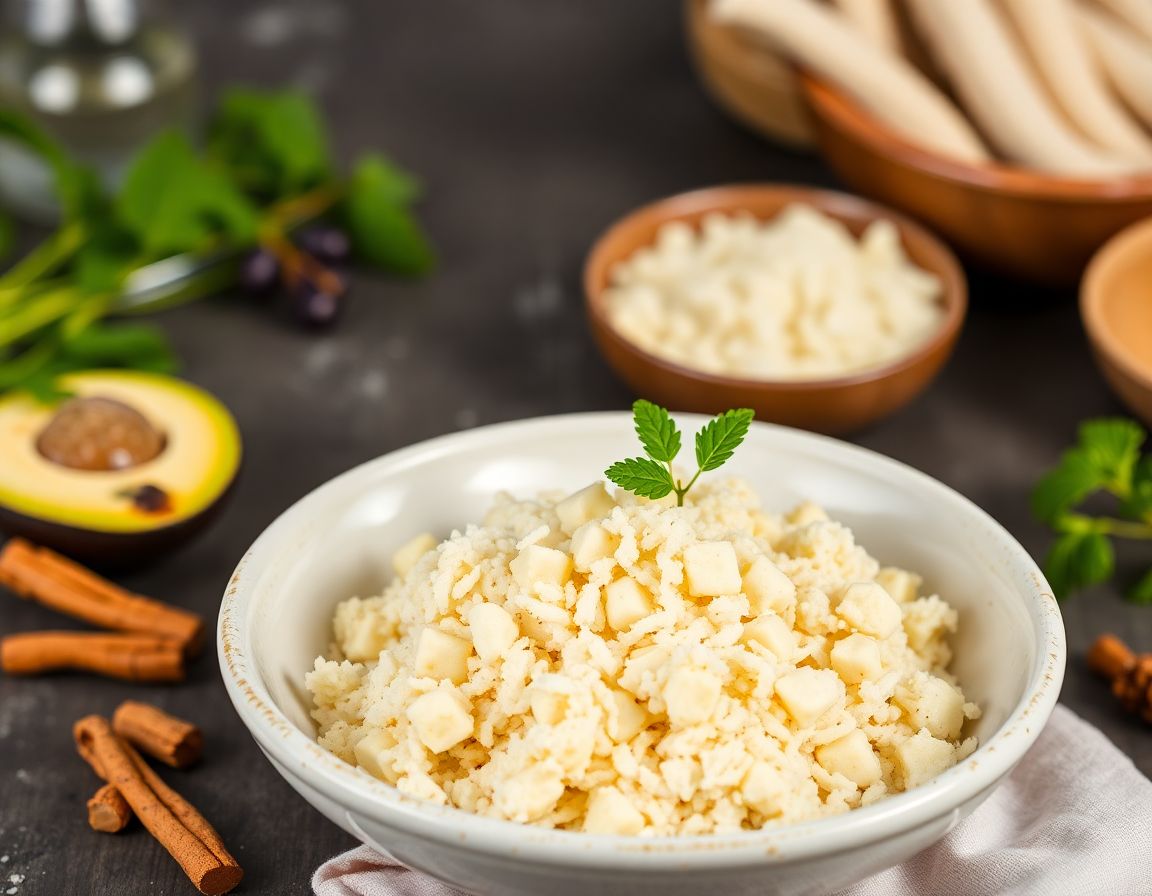
Resistant Starch: Boost Gut Health & Microbiome Naturally
Discover how resistant starch boosts gut health and supports your microbiome naturally. Learn the benefits of soaking oats for optimal digestion!
Science
Resistant Starch: Boost Gut Health & Microbiome Naturally
Discover how resistant starch boosts gut health and supports your microbiome naturally. Learn the benefits of soaking oats for optimal digestion!
 Recipes
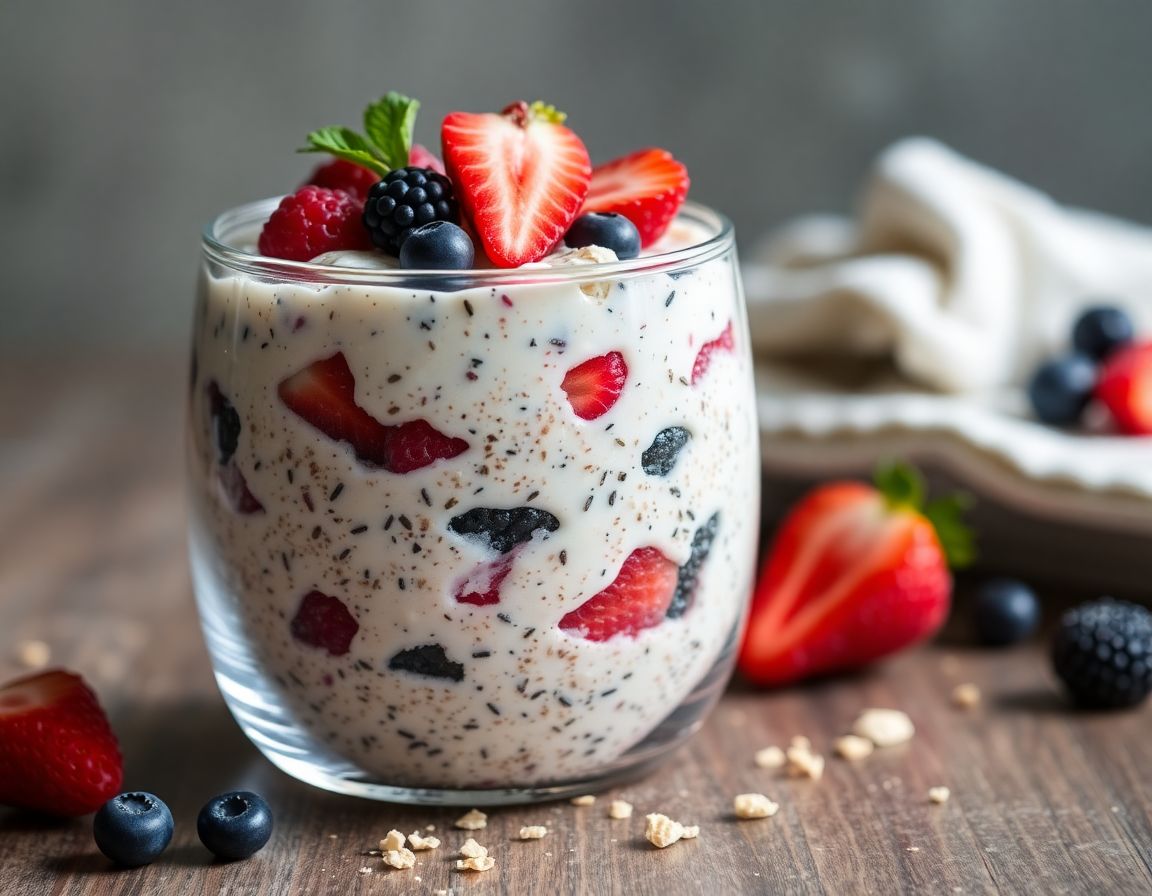
Healthy Bircher Muesli with Berries: A Delicious Breakfast
Start your day with our healthy bircher muesli with berries! This easy, nutritious recipe combines oats and vibrant berries for a delicious breakfast.
Recipes
Healthy Bircher Muesli with Berries: A Delicious Breakfast
Start your day with our healthy bircher muesli with berries! This easy, nutritious recipe combines oats and vibrant berries for a delicious breakfast.
 Recipes
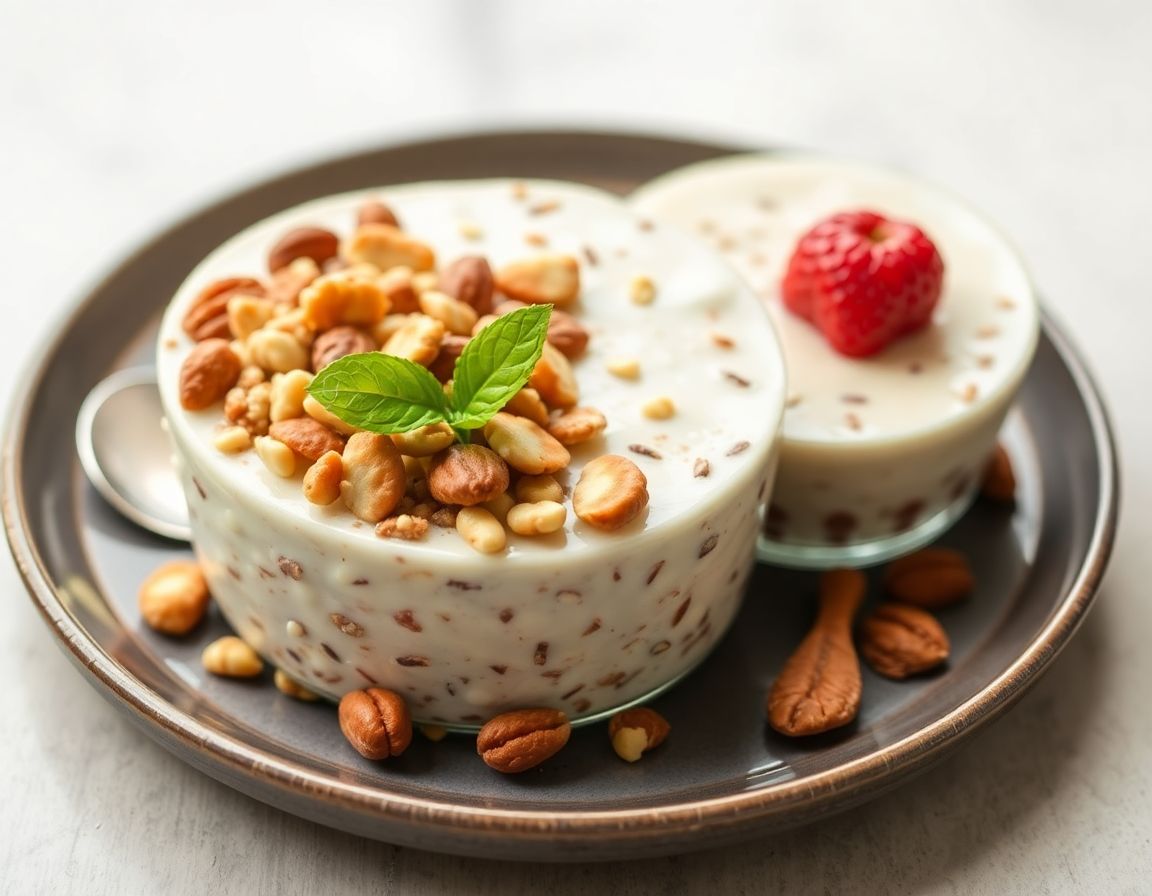
Bircher Muesli with Nuts: Easy, Healthy Breakfast Recipe
Start your day right with this easy bircher muesli with nuts recipe! Enjoy a healthy, overnight breakfast packed with nutrients and satisfying crunch.
Recipes
Bircher Muesli with Nuts: Easy, Healthy Breakfast Recipe
Start your day right with this easy bircher muesli with nuts recipe! Enjoy a healthy, overnight breakfast packed with nutrients and satisfying crunch.